

 5 hours ago
6
5 hours ago
6
PROTECT YOURSELF with Orgo-Life® QUANTUM TECHNOLOGY
Orgo-Life the new way to the future Advertising by AdpathwayAfrica Intelligence
One email, every weekday morning. African markets, politics and business — filed from our newsroom in Rio.
Yesterday’s subject line: “Africa's most industrial economy just stopped growing”
Free. We send a confirmation link first — nothing arrives until you click it. Unsubscribe with one click in any edition. If you stop opening us for 30 days we stop sending by ourselves, as we assume the interest is no longer there. See our privacy policy. We never share your email.
SENEGAL · POLITICS
Key Facts
- —What happened Prime Minister Ahmadou Al Aminou Lo delivered his first general policy declaration to parliament on September 8, the set-piece speech in which a new Senegalese government presents its program.
- —The number He put a figure of about 30 billion CFA francs (roughly US$55 million) on obligations he says were never executed under the Yaakaar-Teranga offshore gas licence.
- —The backstory US firm Kosmos Energy exited the licence in April, a deal the previous prime minister, Ousmane Sonko, said cost Senegal “no financial consideration.” The new figure raises the question of what, if anything, was left behind.
- —The backdrop A week earlier the IMF reached a staff-level agreement with Senegal on a US$2.2 billion, 36-month loan program, with board approval and a planned “debt treatment” still to come.
- —The economy he inherits Growth of 6.7% in 2025 on the first full year of oil production, non-oil growth rebounding to 4.7% in early 2026, inflation at 1.4% — and public debt at 132% of GDP.
In his first policy speech to parliament, Senegal’s new prime minister put a US$55 million figure on what he called unexecuted obligations tied to the Yaakaar-Teranga gas licence — reopening the question of what Kosmos Energy’s April exit really cost the state.
One-stop reference
Company Intelligence
Every listed company in Latin America — financials, ownership and structure for 1,450+ companies across 26 exchanges, in one place.
What the prime minister said
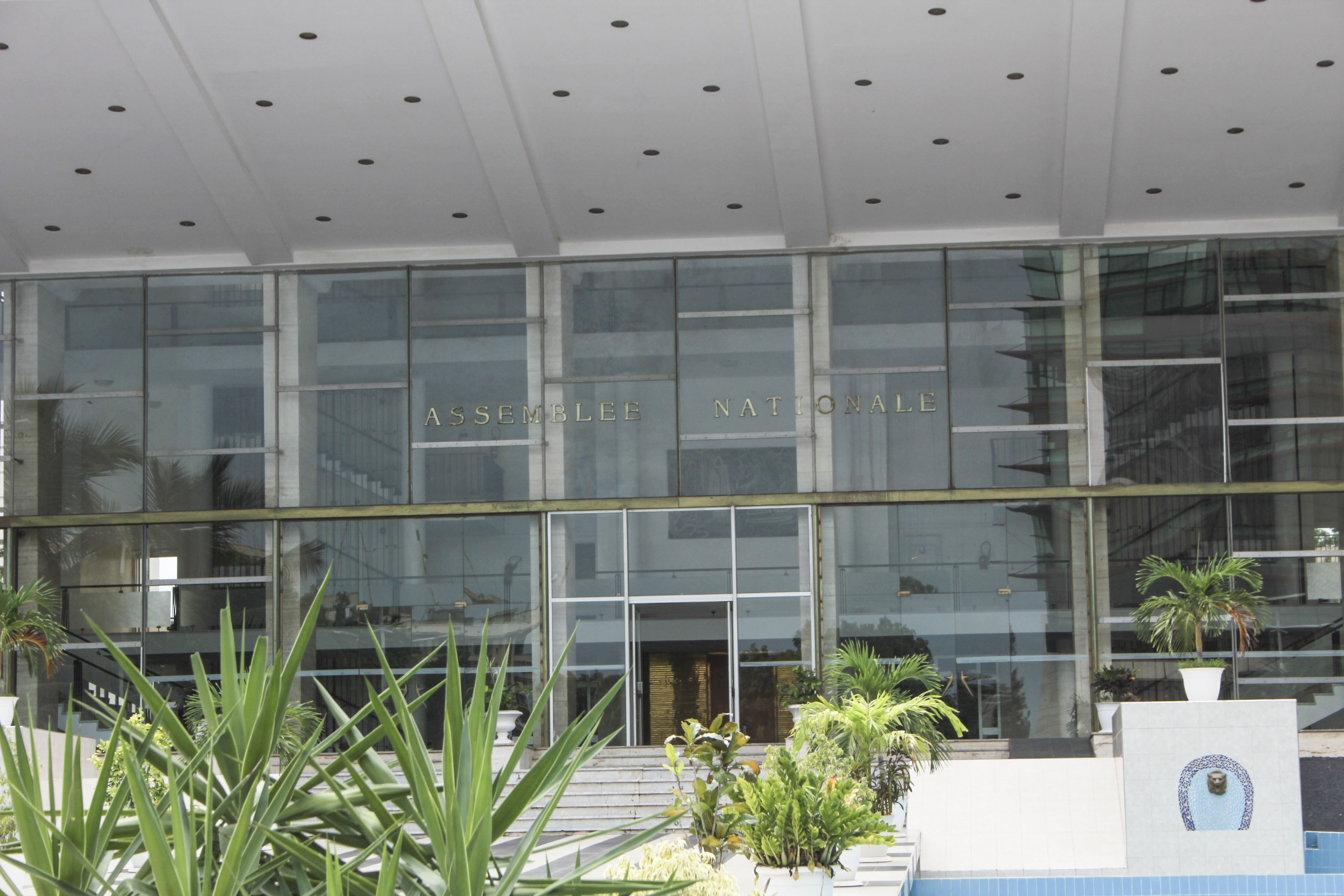
Every new Senegalese government opens its account with a déclaration de politique générale, a state-of-the-nation speech and program delivered to the National Assembly. Ahmadou Al Aminou Lo, appointed prime minister on May 25, gave his on September 8.
Buried in the financial diagnosis was a striking number: about 30 billion CFA francs (roughly US$55 million) in obligations connected to the Yaakaar-Teranga offshore gas licence that, in the government’s reading, were never executed. Senegalese media put the sum near 30 billion francs, roughly 545 francs to the dollar, and CFA conversions in this article follow that rate.
In plain terms, the prime minister is saying the state believes money or work owed under the licence never arrived. Opposition figures have called the figure a grave accusation against his predecessor; reporters in Dakar note that the underlying contract documents will determine what the sum really represents.
The Kosmos exit, revisited
Yaakaar-Teranga is one of Africa’s largest undeveloped gas discoveries, holding an estimated 25 trillion cubic feet in the Cayar Offshore Profond block north of Dakar. Kosmos Energy, a Texas-based explorer, held 90% of the licence; the national oil company Petrosen held the rest.
After BP walked away and no replacement partner could be found, Kosmos agreed in April to hand the block back. Ousmane Sonko, prime minister at the time, announced the exit was signed “without any financial consideration for Senegal” — meaning the state paid nothing to take the licence back. A new licence was to go exclusively to Petrosen.
The US$55 million now cited by Sonko’s successor cuts both ways in that telling. If obligations under the old licence were never executed, either the state is owed something the April deal did not capture, or the figure marks work commitments that died with the licence itself. The government has not yet published the documents that would settle which.
The IMF frame around the speech
The declaration came exactly one week after Senegal and the International Monetary Fund announced a staff-level agreement — a deal between officials that still needs approval by the IMF’s management and board — on a 36-month loan of about US$2.2 billion.
The loan would be made under the Extended Credit Facility, the IMF’s concessional window for lower-income countries, and equals about 475% of Senegal’s quota, the shareholding that determines how much a member may borrow. It is meant to support the government’s 2026-2029 reform program.
The authorities have also said they intend to seek a “debt treatment” — a restructuring by another name — to restore the debt’s viability. Public debt stood at 132% of GDP at the end of 2024, after billions in previously unreported liabilities surfaced.
An economy of two speeds
The numbers the prime minister must manage are genuinely split. Overall growth reached 6.7% in 2025, powered by the first full year of oil production, and inflation is a modest 1.4%.
Strip out oil and gas, though, and the economy most Senegalese live in grew just 2.2% last year before rebounding to 4.7% in the first quarter of 2026, carried by private consumption.
That is why the gas file matters politically. Yaakaar-Teranga is supposed to feed domestic power and industry, and the government has made recovering national assets a signature theme. A public number — about 30 billion CFA francs (roughly US$55 million) — now sits on that file, and the next move belongs to whoever holds the contract papers.
Frequently asked questions
Who is Senegal’s prime minister?
Ahmadou Al Aminou Lo, appointed on May 25, 2026, replacing Ousmane Sonko, who was then elected speaker of the National Assembly.
What is the US$55 million figure about?
The prime minister cited about 30 billion CFA francs (roughly US$55 million) in obligations he says were never executed under the Yaakaar-Teranga gas licence. The underlying documents have not been published.
What happened to Kosmos Energy in Senegal?
Kosmos exited the Yaakaar-Teranga licence in April 2026, handing the block back to the state. The then-prime minister said the exit cost Senegal no financial consideration; the licence was to pass to national oil company Petrosen.
What is Yaakaar-Teranga?
One of Africa’s largest undeveloped offshore gas discoveries, north of Dakar, with an estimated 25 trillion cubic feet of recoverable gas. It is central to Senegal’s plans for power generation and industrialization.
Where does the IMF program stand?
A staff-level agreement on a US$2.2 billion, 36-month Extended Credit Facility was reached on September 1, 2026. IMF board approval and a planned debt treatment are still pending.
Sources: APA (Dakar); Financial Afrik; Agence de Presse Sénégalaise; Xinhua; IMF statement (September 1, 2026).
This article was produced by The Rio Times’ automated newsroom system. How we use AI · Report an error
LatAm Markets: Live Signals → — real-time movers, turnover leaders and FX across Latin America.
The Rio Times · Power Map
See who really holds power in Latin America
Click to open the Power Map →












 English (US) ·
  French (CA) ·
  French (FR) ·