

 2 months ago
119
2 months ago
119
PROTECT YOURSELF with Orgo-Life® QUANTUM TECHNOLOGY
Orgo-Life the new way to the future Advertising by AdpathwayVenezuela · Energy
Key Facts
—The new step. On June 11, the US Treasury revised seven licenses governing oil, gas, petrochemical and mining work in Venezuela.
—The big name. SLB, the oilfield-services giant formerly called Schlumberger, signed a technology memorandum with Caracas the same day.
—Who benefits. The eased rules help Chevron, Repsol, Eni, BP and France’s Maurel & Prom.
—Not a full lift. Washington stresses the changes set conditions for activity; they do not end sanctions or normalise ties.
—The output. Venezuela pumps a little over a million barrels a day, far below its peak above three million.
—Why it matters. A steady Venezuelan restart reshapes crude flows and competition across the Americas.
The slow reopening of Venezuela oil has reached a more concrete phase, with Washington loosening another set of rules and one of the world’s largest oil-services firms putting its name to a deal in Caracas.
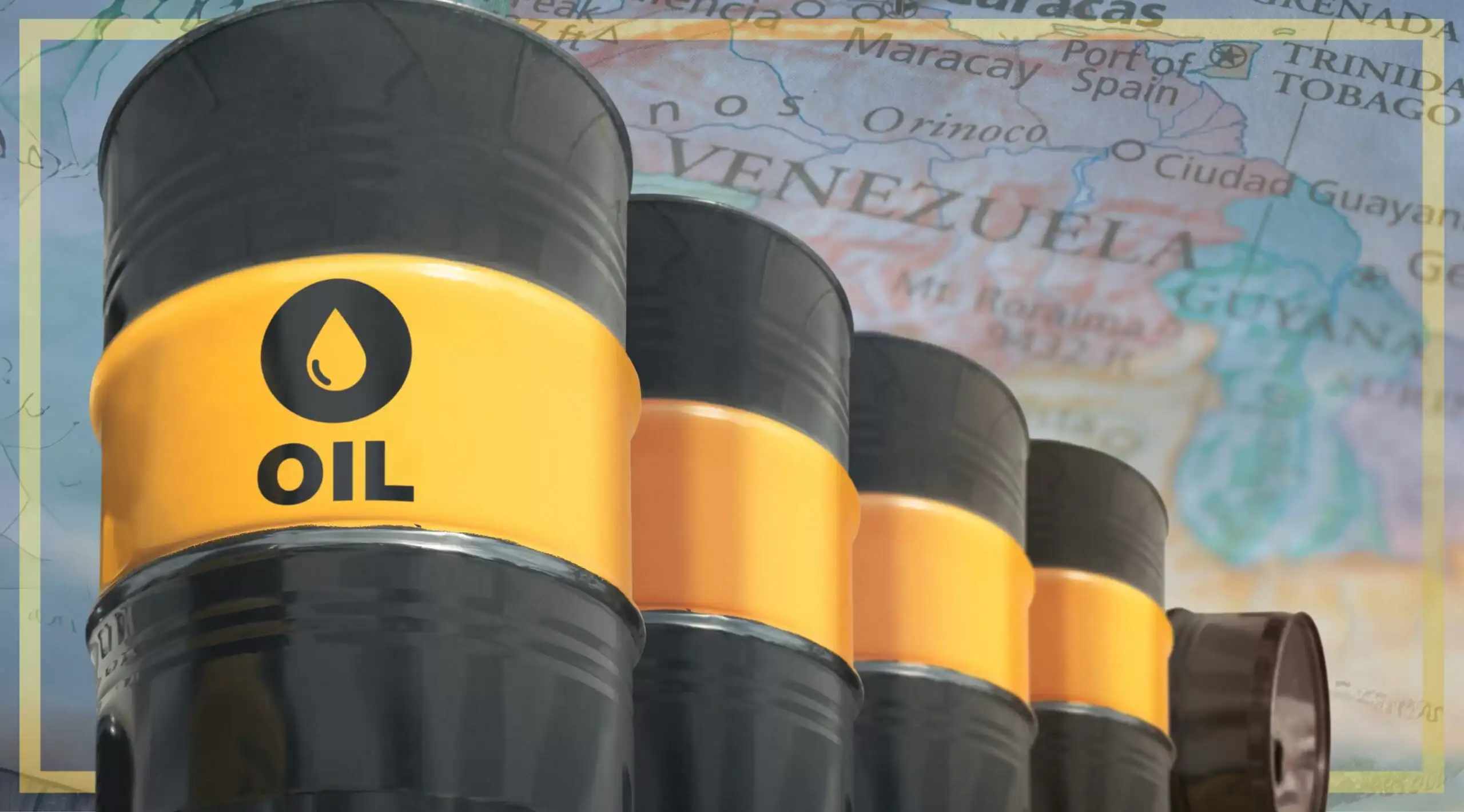
What changed this week
On June 11, the United States Treasury revised seven of the licenses that set the rules for working in Venezuela’s oil, gas, petrochemical and mining sectors. The move is the latest in a steady drip of measures easing access since the change of government in Caracas.
Crucially, Washington was careful to say this is not the end of sanctions. The revisions update the conditions under which specific activities may take place, and set out who can take part and on what legal terms, rather than lifting the restrictions altogether.
The same day brought the more eye-catching development. SLB, the giant oil-services company once known as Schlumberger, signed a technology memorandum with the Venezuelan government aimed at lifting production.
Why the Schlumberger deal matters for Venezuela oil
For a reader outside the industry, the significance is easy to miss. SLB is not an oil producer; it is the company that provides the technology and expertise that make oilfields work, from drilling to managing ageing reservoirs.
Venezuela’s fields have suffered years of neglect and under-investment, and reviving them needs exactly the kind of know-how a firm like SLB brings. Having a name of that weight sign on is a signal that the reopening is moving from paper licences toward real work in the field.
It also fits a pattern. The licence changes clear the legal path, and the services deal is a step toward actually using it, which together mark a shift from permission to practice.
The companies lining up
The eased rules benefit a familiar group of international operators. They include the American major Chevron, Spain’s Repsol, Italy’s Eni, Britain’s BP and France’s Maurel & Prom.
These firms have been edging back into Venezuela for months under a sequence of US authorisations. Each new measure widens what they are allowed to do, from moving cargoes to negotiating fresh contracts with the state oil company.
There is a hard limit, though. The framework keeps payments under United States control and bars dealings with entities tied to certain rival powers, so the reopening proceeds strictly on Washington’s terms.
That design is deliberate. Because the underlying sanctions remain on the books, the licences can be withdrawn quickly, which keeps Washington holding the leverage even as business resumes.
It also keeps the door open for more arrivals. A string of operators has been edging back in stages, and each fresh authorisation tends to be followed by another company testing how far it can go.
What it means for the region
Venezuela holds the world’s largest proven oil reserves, yet it now pumps only a little over a million barrels a day, a fraction of the more than three million it produced at its peak. The gap is the measure of how far a recovery could run.
Analysts expect any rebound to be gradual. The near-term hope is a modest lift toward perhaps one and a quarter million barrels a day, with bigger gains depending on years of investment and stable rules.
For the wider Americas, even a partial revival matters. More Venezuelan heavy crude competes directly with Mexican and Colombian grades for the same refineries, reshaping trade flows and prices across the hemisphere.
For investors, the appeal is the scale of the prize set against the fragility of the process. The reserves are vast, but the recovery rests on sanctions that could be reversed and on rules that are still being written.
That is why a single services deal is worth noting. It is the kind of practical, on-the-ground commitment that tends to precede the heavier capital that any real rebound would require.
Frequently Asked Questions
What did the United States change on June 11?
The US Treasury revised seven general licences covering oil, gas, petrochemical and mining activity in Venezuela. The changes update the conditions for doing business there but do not lift sanctions or normalise relations.
Why is the SLB deal significant?
SLB, formerly Schlumberger, supplies the technology and expertise that revive ageing oilfields. Its signing suggests the Venezuela oil reopening is moving from legal permissions toward actual production work.
How much oil does Venezuela produce now?
It pumps a little over a million barrels a day, well below its former peak above three million. Analysts expect only a gradual recovery, with larger gains needing sustained investment.
The Rio Times · Power Map
See who really holds power in Latin America
Click to open the Power Map →








![New Japanese convenience store rice balls taste like instant noodles [Taste test]](https://soranews24.com/wp-content/uploads/sites/3/2026/09/0_c8e809.jpg?w=1200&h=630&crop=1)



 English (US) ·
  French (CA) ·
  French (FR) ·