

 5 hours ago
2
5 hours ago
2
PROTECT YOURSELF with Orgo-Life® QUANTUM TECHNOLOGY
Orgo-Life the new way to the future Advertising by AdpathwayPERU · ELECTION WATCH
Key Facts
—The state of play: With about 95% of in-country actas counted, Roberto Sánchez has edged ahead of Keiko Fujimori.
—The catch: The overseas vote, historically favourable to the right, has not been counted and could narrow or flip the result.
—The abroad bloc: Some 411,000 Peruvians voted from abroad in the first round, across 63 countries.
—The disputes: Around 1,500 contested tally sheets have been sent to special juries that can move the margin.
—The timeline: An official proclamation is expected by mid-July; the new president is sworn in on July 28.
Peru still has no confirmed winner: Roberto Sánchez has edged ahead of Keiko Fujimori in the in-country count, but the overseas vote that historically favours the right is still to be tallied, and that bloc, plus hundreds of contested actas, can still flip the result before the mid-July proclamation.
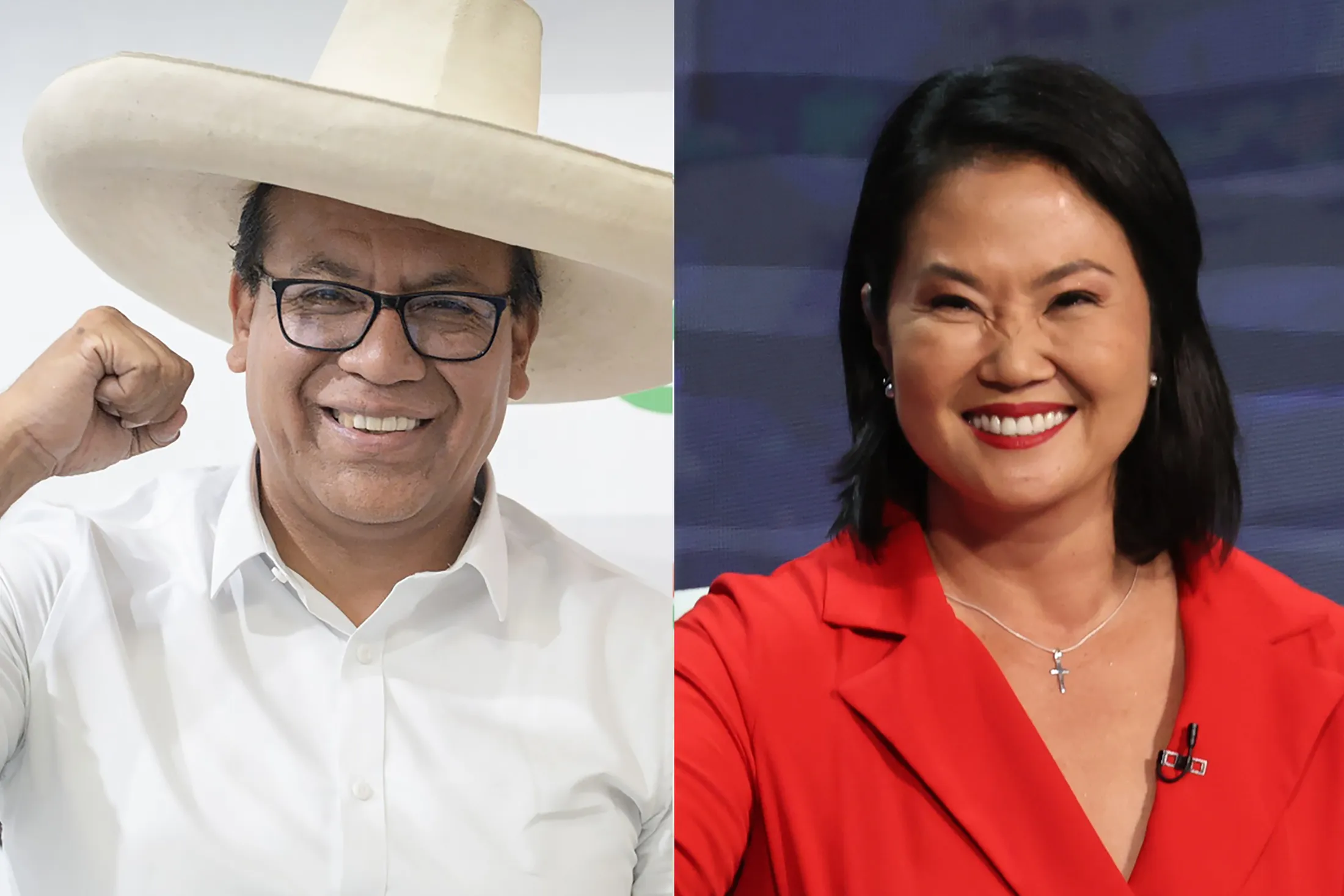
Why the result flipped
Early in the count, Fujimori led. Tally sheets from Lima and the coast, where she is strong, are digitised first, which gave her an opening advantage.
That lead eroded as rural and Andean districts reported. Those areas favour Sánchez, and by roughly 95% of in-country actas he had overtaken her into a narrow lead.
The gap is thin enough that the race is not settled. Two pools of votes that have not been fully counted can still decide it.
The overseas vote that could flip it back
About 411,000 Peruvians voted from abroad in the first round, at some 2,500 polling stations across 63 countries, from the United States to Spain to Qatar. Their ballots are among the last to be processed.
That matters because the diaspora has historically leaned to the right, toward Fujimori. If the pattern holds, the overseas count could narrow Sánchez’s lead or erase it altogether.
In a race separated by a fraction of a point, a few hundred thousand right-leaning votes are not a footnote. They are potentially decisive.
Contested actas and the special juries
Beyond the overseas ballots, roughly 1,500 tally sheets have been flagged as contested. These actas are referred to the Jurados Electorales Especiales, the special electoral juries that rule on disputes.
Each ruling can validate, annul or adjust the votes on a sheet. In a near-tie, the cumulative effect of those decisions can shift the final tally.
It is a slow, paper-based process. That is the main reason a clear winner has not simply been declared on election night.
Why the proclamation runs to mid-July
Peru’s system requires each physical tally sheet to be transported to processing offices, then reconciled and, where disputed, adjudicated. Officials have warned the count could take weeks.
The head of the election-supervision agency estimates an official proclamation by mid-July. Until then, any reported lead is provisional.
For now, the safest reading is that the result is genuinely undecided. Both camps are treating it that way.
What expats should watch: July 28 and Lima protests
The winner becomes Peru’s ninth president in a decade, replacing interim leader José María Balcázar, and is sworn in on July 28, the country’s independence day, for a five-year term.
A wafer-thin, contested finish raises the odds of disputes and street mobilisation, especially in central Lima. Expats should expect periodic marches around government buildings and the main squares.
The practical advice is simple: avoid protest zones, keep documents handy, and treat any single tally update as provisional until the formal proclamation.
Frequently Asked Questions
Who won the Peru runoff?
No one yet. Roberto Sánchez leads the in-country count at about 95% processed, but the overseas vote and contested tally sheets are still pending, with an official proclamation expected by mid-July.
How could the overseas vote change the result?
About 411,000 Peruvians abroad cast ballots, and that bloc has historically leaned right toward Fujimori. Counted near the end, it could narrow or erase Sánchez’s slim lead.
What are the contested actas and the JEE?
Around 1,500 disputed tally sheets have been sent to the Jurados Electorales Especiales, the special juries that rule on them. Their decisions can move the final margin in a near-tie.
When will Peru have a confirmed president?
An official proclamation is estimated by mid-July, and the winner is sworn in on July 28, Peru’s independence day, for a five-year term.
The Rio Times · Power Map
See who really holds power in Latin America
Click to open the Power Map →














 English (US) ·
  French (CA) ·
  French (FR) ·