

 2 hours ago
1
2 hours ago
1
PROTECT YOURSELF with Orgo-Life® QUANTUM TECHNOLOGY
Orgo-Life the new way to the future Advertising by AdpathwayDaily Brief
The morning intel from across Latin America. Free.
By subscribing you agree to our privacy policy. We never share your email.
Brazil · Energy
Key Facts
— The ruling. A federal judge suspended Brazil’s huge capacity-reserve power auction one day before final sign-off.
— The size. The auction lined up contracts worth about R$515bn ($102bn) over their lifetime.
— The complaint. Industry groups say price caps were raised just days before bidding, inflating the cost.
— Who is involved. Winners included Petrobras, Eneva and a power arm of the Batista brothers’ J&F group.
— Who pays. The cost of such auctions ultimately lands on consumers’ electricity bills.
— A reversal. Weeks earlier a different court had refused to halt the same auction.
A Brazil power auction worth roughly R$515bn ($102bn) over the life of its contracts has been suspended by a federal judge just a day before regulators were due to finalise it, after industry groups argued late rule changes would needlessly inflate electricity bills.
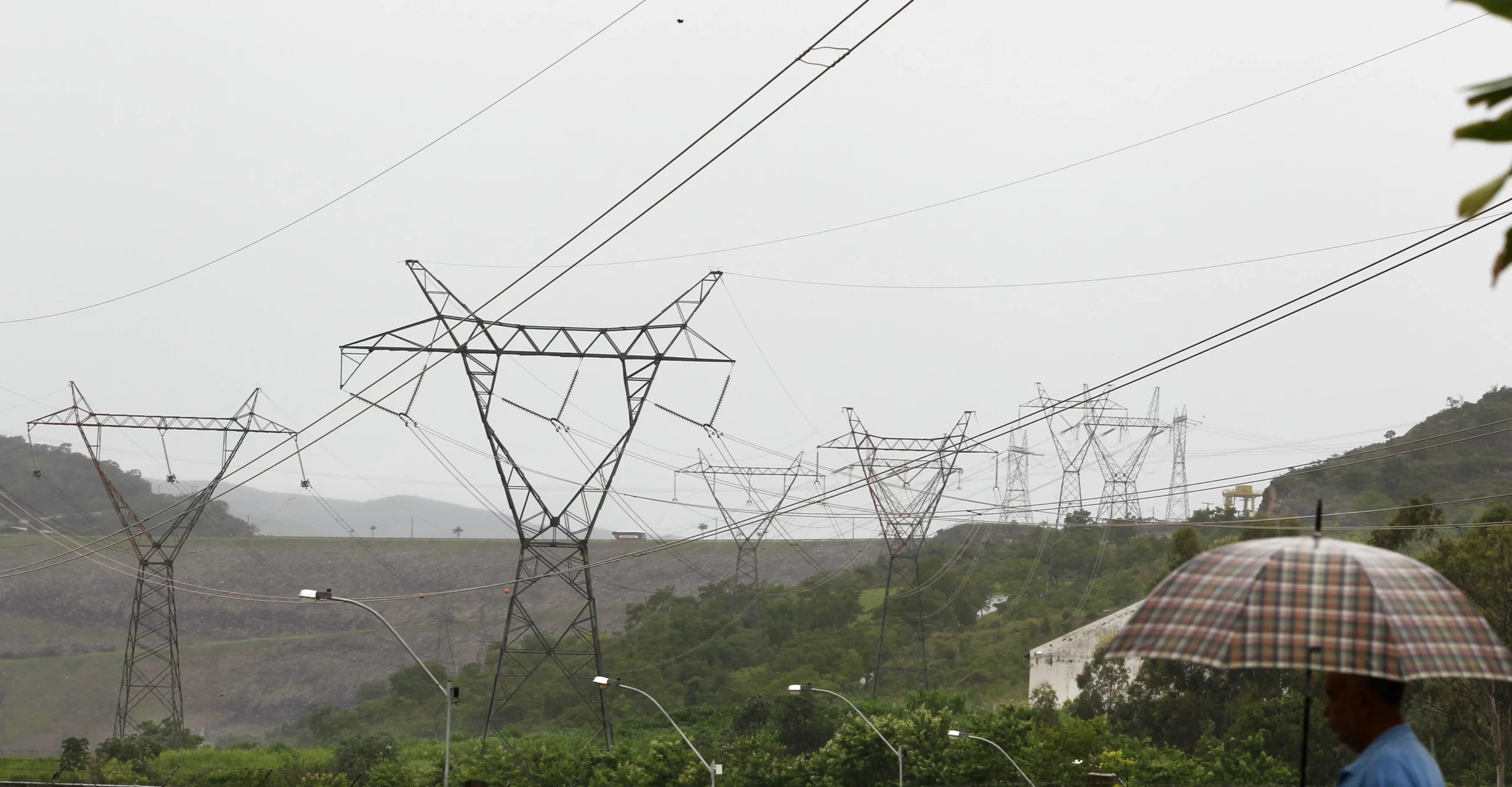
What was suspended, and why it is so big
A federal judge in the northeastern state of Ceará granted an urgent injunction halting the results of what Brazil calls a capacity-reserve auction. For a foreign reader, this is not an auction to supply everyday electricity, but to pay generators to keep spare power capacity on standby for the hours when demand peaks, typically early evening when solar output fades and homes switch on. Governments run these to make sure the grid never runs short.
The numbers are large because the deals are long. Contracts run for years, and the total value over their lifetime adds up to about R$515bn ($102bn). That figure is what makes the case so sensitive: every real of it eventually feeds into the bills that households and businesses pay for power.
The heart of the dispute over the Brazil power auction
The challenge was brought by an industry federation and an energy-sector union in Ceará, backed by concerns aired at the federal audit court and the public prosecutor’s office. Their central complaint is about timing. They say the maximum prices the auction would pay, known as price caps, were raised only days before the bidding took place. Lifting a price ceiling at the last minute can let winning bids come in higher, and critics argue that change alone could pile billions in avoidable costs onto consumers.
They also question the technical case for buying so much new capacity in the first place. If the grid does not actually need all of it, the argument goes, the country would be locking in years of payments for power it could have done without. The judge ordered the results frozen until those questions are examined, either by clearing up the inconsistencies or by a federal court in the capital, Brasília, where the main legal challenge is being heard.
Big names left in limbo
The freeze lands on some of Brazil’s largest energy players. Winners in the auction included the state-controlled oil giant Petrobras, the gas-focused generator Eneva, and Âmbar, the power arm of J&F, the conglomerate owned by the billionaire Batista brothers. The national electricity regulator had already approved part of the results, with the remaining contracts due to be ratified at a meeting the very next day. That session was overtaken by the court order, leaving the winners and the government waiting.
A courtroom tug-of-war
What makes the moment striking is that the legal winds have just shifted. Only weeks ago, a different federal court turned down a request to suspend the very same auction, a decision read at the time as a win for the government. This new injunction pulls in the opposite direction, and the contradiction now has to be resolved higher up the system. For investors, that uncertainty is itself a cost: contracts they thought were settled are suddenly in doubt, and the rules of one of the world’s larger power markets look less predictable than they did.
The government argues the extra capacity is needed to keep the lights on as demand grows and the grid leans more on weather-dependent wind and solar. Critics counter that the design was rushed and overpriced. Both cannot be fully right, and a court will now have to weigh them.
Why it matters beyond Brazil
Energy auctions are how Brazil plans its electricity future, and foreign companies bid in them. When a deal this size can be frozen on the eve of sign-off, it signals how much regulatory and legal risk still hangs over big infrastructure bets in the country. The outcome will shape not just power bills, but how confidently investors price the next round of contracts. For now, a R$515bn question mark sits over the grid.
Frequently Asked Questions
What is a capacity-reserve auction?
It is a government-run process to pay generators to keep spare power capacity available for peak-demand hours, rather than to supply everyday electricity. The goal is to ensure the grid can cope when consumption surges and sources like solar fade in the evening.
Why did the court step in?
Industry groups argued that price caps were raised just before bidding, which could inflate costs passed on to consumers, and questioned whether so much new capacity was needed. A judge suspended the results until those concerns are reviewed.
Who is affected?
Winning generators such as Petrobras, Eneva and J&F’s power arm Âmbar are left waiting, while the regulator cannot finalise the contracts. Consumers have a stake too, since the eventual cost flows into electricity bills.
Connected Coverage
Brazil Court Refuses to Halt Lula’s Energy Auction as Industry Cries Foul
Brazil Clears the Way for Its First Power-Battery Auction
The Rio Times · Power Map
See who really holds power in Latin America
Click to open the Power Map →




















 English (US) ·
  French (CA) ·
  French (FR) ·