

 2 weeks ago
3
2 weeks ago
3
PROTECT YOURSELF with Orgo-Life® QUANTUM TECHNOLOGY
Orgo-Life the new way to the future Advertising by AdpathwayAll Thing Considered host Mary Louise Kelly speaks with NPR correspondents Tom Bowman and Emily Feng about the ways in which the U.S. war with Iran is connected to other conflicts across the globe.
Transcript
AILSA CHANG, HOST:
From NPR News, this is ALL THINGS CONSIDERED. I'm Ailsa Chang in Culver City, California.
MARY LOUISE KELLY, HOST:
And I'm Mary Louise Kelly in Washington, which, for those of you who love a good map, is about 6,000 miles from Tehran. Now, Tehran is about 1,500 miles from Kyiv. And if you could walk a straight line from Kyiv to Pyongyang, just under 4,500 miles. What do these capital cities have in common, despite the many miles between them? They are all connected by conflict - the war between Russia and Ukraine, the war between the U.S. and Iran, and yes, even North and South Korea, two countries which are technically still at war.
The ways in which these wars overlap and are influencing each other is something we discussed today on NPR's national security podcast Sources & Methods. Joining me in that conversation were NPR White House correspondent Emily Feng and Pentagon correspondent Tom Bowman.
(SOUNDBITE OF ARCHIVED NPR CONTENT)
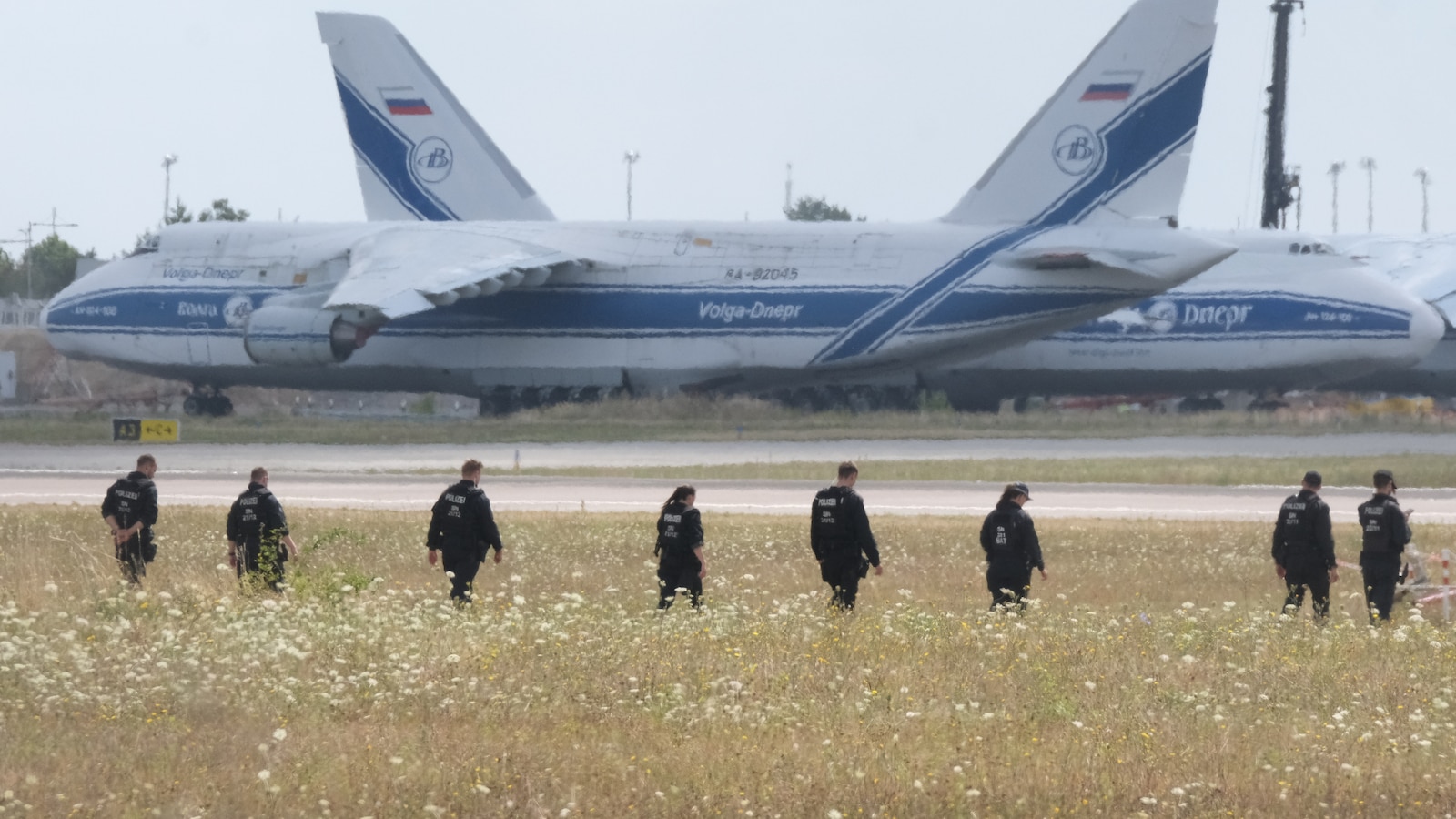
KELLY: Tom, I want to stay on this theme that we just seem to keep circling. We have U.S. attention focused on Iran. We have President Trump demanding that South Korea help in that fight. South Korea saying yeah, thanks, but no thanks. And, meanwhile, North Korea helping Russia in its war in Ukraine.
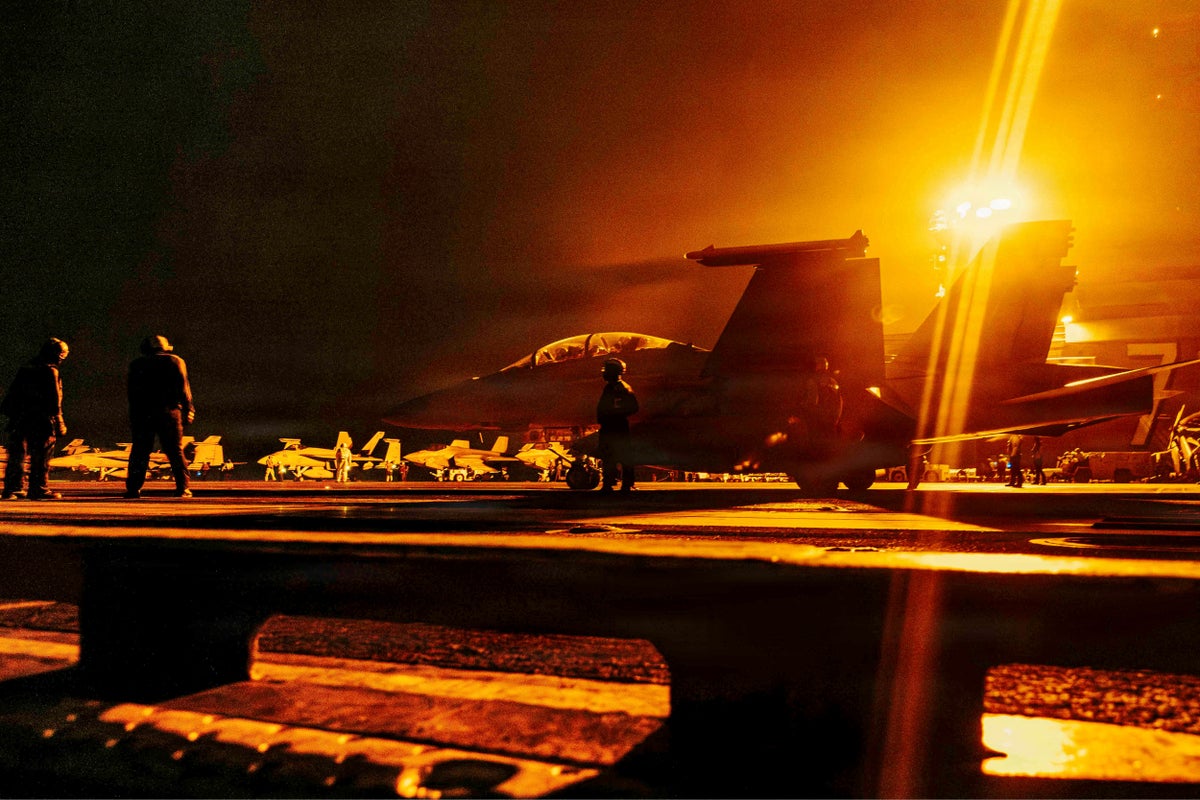
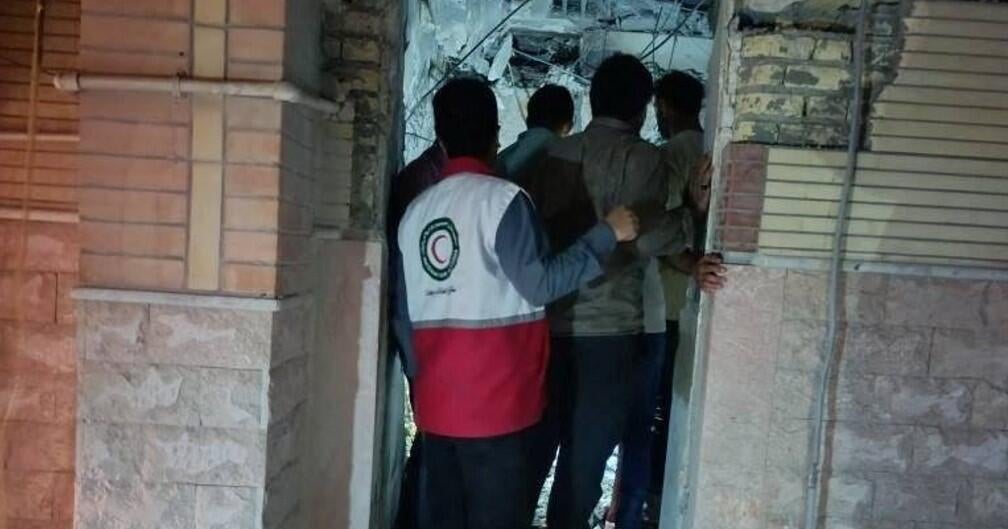
TOM BOWMAN: It's right. You can't call it a world war, but you have - there's some different term we have to come up with. It's almost an interconnected war we have here. So you do have North Koreans providing troops to Russia to fight in Ukraine. You have Russia and China providing intelligence to Iran to go after U.S. bases, particularly CIA sites. And then you have the global impact of the lack of ships, the lack of oil getting through the Strait of Hormuz, which is affecting Asia, in particular, right? So you have all this kind of stew of problems and conflicts.
EMILY FENG: I'll add in the war in Iran is now taking all of these interceptor missiles that Ukraine really needs to defend itself and that the U.S. might have wanted to...
BOWMAN: No, that's right.
EMILY FENG: ...Use one day against a Chinese...
BOWMAN: No...
EMILY FENG: ...Invasion of Taiwan...
BOWMAN: ...That is the definite threat.
EMILY FENG: ...To add another layer to this.
BOWMAN: No, that's absolutely right. They've gone down about two-thirds the number of Patriot missiles, which are key for the defense of U.S. forces in Asia. So you have that effect, too, and it's going to take years to rebuild that Patriot missile network.
KELLY: I keep thinking how America's allies and America's adversaries are, of course, watching all of this play out and drawing lessons in their own strategic interests. I keep thinking, if I were standing in Pyongyang watching what is happening with the war on Iran, I would be thinking, I'm so glad North Korea went ahead and built nuclear weapons. I'm so glad we have them because look what happens if you don't.
EMILY FENG: Beijing has been watching the entire time, and I'm sure that someone in their leadership has been thinking the same thing. China is also a nuclear power. They took note when Obama came out and said, we think China and the East Asian region, the Asia Pacific, is going to be where the action is at for the next couple of decades. And so while the U.S. was trying to increase defense spending in the Asia Pacific and retrain its forces to be more of a Pacific power again, China was also doing the same. It was increasing its military budget year after year, at double-digit numbers. It now has personnel and equipment levels that can - they don't reach that of the U.S.'s, but it can rival that of the U.S.'s. So in some ways, China has caught up as a result.
BOWMAN: And they're building hundreds of ships. That's a real concern to the U.S. Navy. And also their missiles - their coastal missiles are a real problem, as well. And, you know, the concern, of course, is Taiwan. By next year, China will have the capability to take on Taiwan, according to the Pentagon. It doesn't mean they'll do it, but there's still a threat out there just next year.
KELLY: Let's sweep in a relevant diplomatic development this week, or at least what the White House would like to be a diplomatic development, which is possibly talks with Kim Jong Un this year. Emily, fill us in.
EMILY FENG: Trump has praised Kim Jong Un at least twice this week.
(SOUNDBITE OF ARCHIVED RECORDING)
PRESIDENT DONALD TRUMP: But I do have a good relationship with Kim Jong Un, as you know, you've seen. He didn't like Biden. He didn't like Obama. He didn't like anybody, but he likes me, and I like - you know, I just got along with him very good. We had great meetings. We speak.
EMILY FENG: Something, by the way, that Kim's sister denied to North Korean media. They basically have given the U.S. a cold shoulder throughout all of this, saying that she's not aware of any communications between the U.S. president and Kim Jong Un and that the matter of canceling South Korean joint military drills is not even worth consideration for Pyongyang. But President Trump has said a whole lot about Pyongyang and said he might be meeting Kim in the future.
KELLY: Why? Like, how big a threat does North Korea still pose? What do we know?
EMILY FENG: It is more of a threat these days than ever in the sense that its nuclear arsenal is more advanced. It has intercontinental ballistic missiles that could travel far enough to potentially reach the U.S., and it's become more advanced at enriching nuclear fuel. So it's a more dangerous nuclear interested adversary than before.
KELLY: That was NPR White House correspondent Emily Feng and NPR Pentagon correspondent Tom Bowman. You can hear our full discussion on Sources & Methods. Listen wherever you get your podcasts.
(SOUNDBITE OF EMANUEL KALLINS AND STEPHEN TELLER'S "PLUNGED INTO CRISIS")
Copyright © 2026 NPR. All rights reserved. Visit our website terms of use and permissions pages at www.npr.org for further information.
Accuracy and availability of NPR transcripts may vary. Transcript text may be revised to correct errors or match updates to audio. Audio on npr.org may be edited after its original broadcast or publication. The authoritative record of NPR’s programming is the audio record.









 English (US) ·
  French (CA) ·
  French (FR) ·