

 6 hours ago
2
6 hours ago
2
PROTECT YOURSELF with Orgo-Life® QUANTUM TECHNOLOGY
Orgo-Life the new way to the future Advertising by AdpathwayVENEZUELA · JUSTICE
Key Facts
—What happened: On September 1, 2026, the National Assembly approved a reform to the law governing the Supreme Court.
—How big it is: Every magistrate goes, principals and alternates alike, from the 20-seat court.
—What it means: A new court could change rulings on business disputes, property rights, and political cases.
—The catch: The process is tied to a political deal, so independence is not guaranteed.
—Who it hits: Foreign investors, property owners, and anyone with legal disputes in Venezuela.
—What comes next: The Assembly must name a new nominations committee and then appoint new magistrates.
A full renewal of Venezuela’s Supreme Court is now legally possible after a key reform passed. The process could reshape the judiciary and affect business and property rights.
One-stop reference
Company Intelligence
Every listed company in Latin America — financials, ownership and structure for 1,450+ companies across 26 exchanges, in one place.
The meeting that signals change
Diosdado Cabello met Caryslia Beatriz Rodríguez on Thursday 3 September 2026. She is president of Venezuela’s Supreme Tribunal of Justice, or TSJ.
Cabello runs the government’s politics and internal security portfolio. He is also one of the ruling party’s most powerful figures.
La Patilla reported the meeting on the basis of photographs circulated on 3 September. It did not give a location, and neither participant has described what was discussed.
The outlet noted the meeting came ‘just as the renewal of all TSJ magistrates is being prepared.’ That renewal is part of a broader political accord between chavismo and opposition sectors.
What is the Supreme Tribunal of Justice?
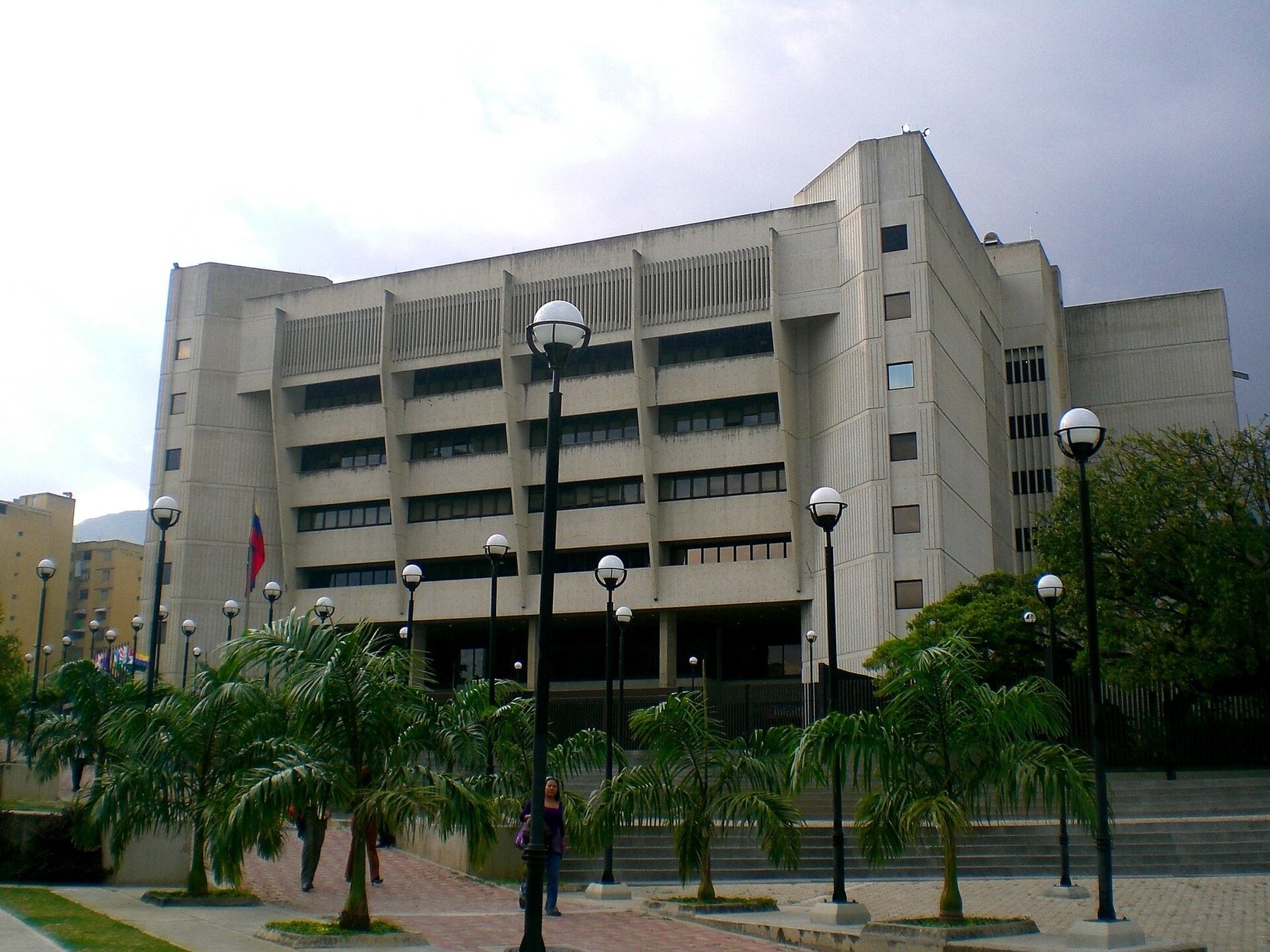
The TSJ is Venezuela’s highest court, similar to the U.S. Supreme Court. It has the final say on legal disputes, including those involving the government.
Its magistrates, or judges, are appointed by the National Assembly, the country’s legislature. A special committee, the Judicial Nominations Committee, screens candidates before the Assembly votes.
The court’s composition matters because its rulings affect everything from criminal cases to business contracts. A court that is seen as independent can boost investor confidence.
In Venezuela, the court has often been accused of being loyal to the government. Analysts at Transparencia Venezuela call this renewal the first real institutional test of the transition.
How the renewal process works
The process starts with a reform of the Organic Law of the TSJ. That statute sets out how the court is run.
On 1 September 2026 the National Assembly passed the reform in second discussion. The vote was unanimous.
The reform amends a single article, article 65, which governs the Judicial Nominations Committee. It does not alter the size of the court, which has had 20 magistrates since the 2022 restructuring cut it from 32.
The committee grows from 21 seats to 23. Twelve now go to civil society groups and eleven to lawmakers, so civil society holds the majority.
The Assembly then votes. Under the Constitution, appointing magistrates needs a two-thirds majority.
The political agreement behind the renewal
On 12 August 2026 negotiators for the government and the opposition agreed to replace every TSJ magistrate. This was part of a dialogue process aimed at a political transition.
Opposition negotiator Dinorah Figuera, head of the opposition delegation and president of the National Assembly elected in 2015, read a joint statement. It said the implementation calendar would start in August 2026 with ‘official announcements and concrete actions.’
The agreement also includes creating a body to review applicants’ credentials. This is seen as a first major institutional test of the transition.
The United States is sponsoring the negotiations, according to Infobae. The renewal is meant to replace all current magistrates, many of whom were appointed in 2022.
Who is Caryslia Rodríguez?
Caryslia Rodríguez is a lawyer who graduated from the Central University of Venezuela. She also has a master’s degree in military criminal law.
She was appointed a magistrate of the TSJ’s Electoral Chamber on 26 April 2022. That came in the restructuring that cut the court from 32 seats to 20.
On 17 January 2024 her fellow magistrates elected her president of the full court.
Her career has been marked by political ties. Infobae has called her a judicial operator loyal to the government.
Spanish daily El Mundo reports she came up through the youth wing of Acción Democrática, an opposition party, before joining chavismo. She led the Electoral Chamber that certified the disputed 2024 presidential result for Nicolás Maduro.
That ruling is why her role in the handover is watched so closely.
Why the court’s composition matters for business
For foreign investors, the TSJ is the final arbiter in disputes over contracts, property, and investments. If the court is seen as biased, it raises the risk of doing business in Venezuela.
Cases over expropriated property and unpaid state debts end up at this court. Who sits on it therefore matters to anyone owed money in Venezuela.
What a renewed court would mean for expropriation and contract disputes is untested. No party to the talks has said the reform touches pending cases.
The new balance on the nominations committee gives civil society a majority for the first time. That could bring more independent judges, but loyalty, not independence, may still be the test that decides who is appointed.
What happens next
The reform now goes to the Official Gazette for publication. Once published, the National Assembly will name a new Judicial Nominations Committee, according to El Nacional.
The committee will screen applicants and recommend candidates to the Assembly. The Assembly then votes, needing a two-thirds majority to appoint magistrates.
The negotiating table is due to resume around mid-September, Infobae reports. Pending items include creating the credentials review council and lifting political disqualifications, including those affecting María Corina Machado.
The next signal is the opening of the nomination process. How openly it is run will say a lot.
Background: the court’s recent history
The TSJ has undergone major changes in recent years. In 2022, the government restructured the court, reducing its size from 32 to 20 magistrates.
That restructuring was widely criticized by opposition groups. They said it cemented government control over the judiciary.
The current renewal effort aims to reverse some of those changes. The proposed reform would bring the court back to 32 magistrates.
This history explains why the renewal is so closely watched. It is not just about new faces; it is about the balance of power.
Frequently Asked Questions
What is the Supreme Tribunal of Justice in Venezuela?
It is the highest court in Venezuela, with final authority over legal disputes. Its magistrates are appointed by the National Assembly.
Why is the court being fully renewed?
The renewal is part of a political agreement between the government and opposition to replace all magistrates. It aims to rebuild trust in the judiciary.
How many magistrates will the court have after the renewal?
The court will keep its current 20 magistrates, as the reform does not change the number. An earlier reform in May 2026 had already increased it to 32, but that was later reversed.
Who is Diosdado Cabello?
He is a senior ruling-party leader and government official. He met with the TSJ president to discuss the court’s renewal.
What does this mean for foreign investors?
A new court could change rulings on business disputes and property rights. But the process is politically driven, so independence is not guaranteed.
This article was produced by The Rio Times’ automated newsroom system. How we use AI · Report an error
The Rio Times · Power Map
See who really holds power in Latin America
Click to open the Power Map →













 English (US) ·
  French (CA) ·
  French (FR) ·