

PROTECT YOURSELF with Orgo-Life® QUANTUM TECHNOLOGY
Orgo-Life the new way to the future Advertising by Adpathway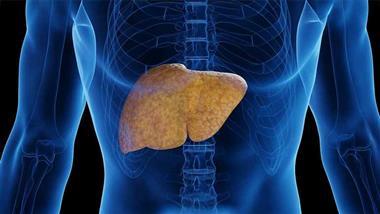
Story at-a-glance
- Fatty liver disease has become one of the most widespread chronic liver conditions, now affecting 47.8% of U.S. adults, yet it remains largely misunderstood
- Emerging research reveals that fatty liver disease is not simply about fat buildup, but may also be linked to deeper mitochondrial dysfunction associated with toxic byproducts of linoleic acid (LA) and ethanol metabolism
- These toxic compounds, 4-HNE from LA and acetaldehyde from ethanol, have been shown to damage mitochondrial membranes, compromise energy production, and contribute to the inflammation associated with liver degeneration
- Choline plays a central role in supporting this process by helping replenish membrane phospholipids like phosphatidylcholine (PC) and phosphatidylethanolamine (PE), which support fat export and mitochondrial resilience
- Reducing dietary sources of LA and alcohol while increasing choline intake through diet — and supplementation under the guidance of your health care provider— may help support liver health and metabolic balance
Your liver works like a factory, processing everything you eat and drink, filtering toxins, producing important compounds, and supporting digestion. But when too much fat builds up inside this factory, its operations begin to break down. This is what happens with fatty liver disease, which now affects about 47.8% of U.S. adults, making it one of the most common chronic liver conditions.1 Despite its prevalence, fatty liver disease remains poorly addressed because its underlying mechanisms have been oversimplified and misunderstood for decades. In my narrative review, "Fatty Liver Reexamined: Choline and Mitochondrial Toxin Amelioration," published in the World Journal of Biological Chemistry, December 5, 2025, I present evidence showing fatty liver disease is not just about fat storage, but a deeper problem rooted in mitochondrial breakdown. Two key compounds, ethanol and linoleic acid (LA), play a central role in its development. One nutrient, however, may play a supportive role — choline. This article summarizes the key points of my paper. You can view the full published paper below, or for an easier read, download the simplified paper at the end of the article. >>>>> Click Here <<<<< Fatty liver disease has undergone a major conceptual shift, both in how it is diagnosed and in how its root causes are understood. The term metabolic dysfunction-associated steatotic liver disease (MASLD) has replaced older labels like nonalcoholic fatty liver disease (NAFLD) and nonalcoholic steatohepatitis (NASH). My preferred way of describing this condition is simply fatty liver disease. The additional attribution to cause is just medical jargon that provides no additional information about the condition itself, and all three are synonyms for fatty liver disease. • Mitochondrial dysfunction is increasingly recognized as a central feature of fatty liver disease — The two most significant drivers in modern diets, ethanol and LA, each produce toxic aldehyde byproducts when metabolized in the liver. Ethanol is converted into acetaldehyde, while LA breaks down into 4-hydroxynonenal (4-HNE), both of which are highly reactive and damaging to mitochondria. Research indicates these aldehydes may bind to proteins, phospholipids, and mitochondrial DNA, which can impair oxidative phosphorylation and reduce the liver's ability to generate adenosine triphosphate (ATP). Over time, this is associated with reduced capacity to oxidize fats, which may contribute to lipid accumulation inside hepatocytes. • Mitochondrial damage is linked to inflammation and disease progression — As mitochondrial membranes are damaged by these aldehydes, the inner membrane loses integrity and protein complexes responsible for energy production are disrupted. The resulting decline in ATP production coincides with increased leakage of reactive oxygen species (ROS), compounding oxidative stress. Mitochondria begin to release signals that activate immune responses, including mitochondrial DNA and other damage-associated molecules. This is associated with hepatic inflammation and may contribute to the progression from simple fat accumulation to steatohepatitis and, eventually, fibrosis that may lead to cirrhosis. • Ethanol and LA follow the same toxic pathway — Figure 1 below illustrates the shared toxicity pathway of ethanol and LA, showing how both compounds drive the same cascade of mitochondrial injury, oxidative stress, and inflammatory signaling. Although one source is traditionally viewed as "alcoholic" and the other "nonalcoholic," the internal damage they cause is nearly identical at the cellular level. This overlap helps explain why researchers now advocate for abandoning the alcohol-based distinction in favor of a unified diagnosis under the umbrella of MASLD. • LA plays a particularly insidious role in this progression — Once incorporated in cell membranes, LA becomes highly vulnerable to damage when the liver is under oxidative stress. 4-HNE sticks to important proteins inside mitochondria and interferes with how they work. It also disrupts the normal signals that help mitochondria adapt to stress and throws off their ability to divide or repair themselves. These changes weaken the liver's energy system, making it harder for the liver to cope with damage or recover from injury. • Fatty liver affects all body types and backgrounds — National Health and Nutrition Examination Survey (NHANES) data show that fatty liver is prevalent across a wide range of ethnicities and body types. The table below shows this demographic spread, underscoring the reality that liver fat accumulation is a systemic issue tied to modern dietary and lifestyle patterns, not a condition confined to specific groups. • The importance of redefining fatty liver disease — Redefining fatty liver disease in terms of mitochondrial health and metabolic overload offers a more biologically coherent understanding of what drives this global epidemic. It shows that the real issue is the liver's declining ability to produce energy and repair itself, especially when it's being hit by harmful compounds. Learn more about mitochondrial damage and liver dysfunction in "Unveiling the Dual Nature of Fatty Liver Disease." To help support the liver and reduce the risk of disease progression, it's important to reduce these damaging inputs and support mitochondrial health. That said, choline may play a key role in this supportive process. Choline is an essential nutrient that plays a pivotal role in liver function, mitochondrial performance, and membrane integrity. It was officially classified as essential by the Institute of Medicine in 19982 after growing evidence showed that the human body cannot synthesize enough of it to meet physiological demand. Most people fall short of optimal intake, especially during periods of increased metabolic stress such as pregnancy, aging, or chronic illness, when the need for choline intensifies across multiple organ systems. • Choline is absorbed in the gut and routed according to the body's needs — Specialized transporter proteins help choline cross the intestinal wall and enter the bloodstream. From there, choline enters cells and follows several metabolic routes, depending on the body's needs. A large portion is directed toward the synthesis of phospholipids, especially phosphatidylcholine (PC), which is the most abundant phospholipid in mammalian cell membranes. Roughly 95% of the body's choline is stored in this form.3,4,5 • Choline enables the export of fat from hepatocytes — To help the liver export fat, choline is turned into phosphatidylcholine (PC) through a multi-step process called the CDP-choline pathway, as shown in Figure 2. First, an enzyme called choline kinase adds a phosphate group to choline, turning it into phosphocholine. Then, another enzyme uses a molecule called CTP to activate phosphocholine, creating CDP-choline, the key building block of PC. This middle step is the most tightly controlled part of the pathway, acting as a checkpoint for PC production. In the final step, CDP-choline is joined with a fat-based molecule called diacylglycerol (DAG), forming PC, which the liver then uses to build membranes and ship fat out of the cell. • Choline supports healthy fat metabolism and cellular membrane integrity — Once formed, PC is inserted into cellular membranes and packaged into very-low-density lipoproteins (VLDLs), which transport triglycerides from the liver into circulation. As shown in Figure 3, this process begins in the endoplasmic reticulum, where PC enables the early steps of VLDL assembly. Triglycerides from lipid droplets are added, and the VLDL particle then matures in the Golgi apparatus before being exported into the bloodstream. Without sufficient PC, research suggests this pathway is compromised, fat may accumulate inside hepatocytes, and the liver's ability to regulate lipid metabolism and maintain structural integrity may be reduced. • Choline contributes to the synthesis of phosphatidylethanolamine (PE) — PE makes up 20% to 30%6 of total membrane phospholipids and is especially enriched in mitochondrial membranes, where it plays a key role in energy metabolism. PE can also be made inside mitochondria through a different route. This alternative pathway produces PE right where it's needed most — at the center of energy production. In addition, the body can convert PE into PC by adding methyl groups, a process that depends on nutrients like folate, vitamin B12, and methionine. These nutrients help carry out essential chemical reactions that connect choline metabolism to gene regulation, detoxification, and cardiovascular support. • Maintaining a healthy PC:PE ratio for normal membrane behavior — Since PC and PE are two major building blocks of cell membranes, their shape matters. PC has a large, wide head that helps membranes stay flat and firm, like a smooth sheet. PE, on the other hand, has a smaller head that lets membranes curve and bend, which is needed to form bubble-like structures called vesicles that move materials around the cell. The balance between PC and PE helps control how flexible or rigid the membrane is, which affects how cells grow, send signals, and remove damaged parts. When the body doesn't make enough PE, mitochondria become stressed and less efficient at making energy. This can lead to more damage from unstable molecules called free radicals. On the flip side, increasing PE levels, such as by supplementing with ethanolamine, has been shown to help cells clean up waste, boost energy production, and even extend lifespan in some studies, suggesting it may support healthy aging and metabolism. • Choline also supports methylation by being oxidized to form betaine — Betaine is a compound that helps add chemical tags called methyl groups to other molecules. This process turns homocysteine into methionine, which the body then uses to make S-adenosylmethionine (SAM), a key helper in many reactions. These methyl tags support important functions like repairing DNA, making neurotransmitters, and controlling inflammation. • The liver not only stores fat during choline deficiency but also loses functional integrity — The image below illustrates the hepatic consequences of choline deficiency. The healthy hepatocyte shows a strong membrane, working mitochondria, and very little fat inside. The steatotic hepatocyte, by contrast, is swollen with fat droplets, has damaged mitochondria, and shows signs of membrane breakdown. This highlights how low choline intake disrupts fat processing and energy production in the liver, setting the stage for fatty liver disease. Choline's roles go beyond liver function. Once absorbed into cells, choline enters a network of metabolic routes that support brain signaling, gene regulation, fat metabolism, and bile composition. When choline intake is insufficient, problems emerge in multiple tissues at once, highlighting just how biologically central this nutrient is. • Choline fuels the nervous system as the precursor to acetylcholine — Acetylcholine is a neurotransmitter required for learning, memory, and muscle coordination. It plays a major role in both the central nervous system and peripheral motor control. Because neurons only produce acetylcholine if enough choline is available at their synaptic terminals, inadequate choline intake can impair cognitive performance and motor function. Researchers continue to study choline's therapeutic value in neurological conditions such as Alzheimer's disease and other neurodegenerative disorders. • Choline is essential for fetal development and infant brain growth — During pregnancy, maternal choline supports the development of the fetal hippocampus and other brain regions involved in memory and learning. Observational and small clinical studies suggest that children of mothers who consumed higher levels of choline during pregnancy (with one trial using up to 930 milligrams per day7) may perform better on certain cognitive tasks. However, note that larger trials are needed. Methylation processes that shape the fetal epigenome also rely on choline, alongside folate and vitamin B12. If any of these nutrients fall short, methylation capacity may decline and homocysteine levels may rise, which has been associated in research with an increased risk of neural tube defects and long-term developmental changes. • Methylation pathways depend on choline-derived betaine — Through its conversion to betaine, choline sustains the body's one-carbon metabolism, which regulates gene activity, neurotransmitter balance, and membrane synthesis. This methylation support also extends cardiovascular protection. When choline or betaine levels fall short, methylation falters, homocysteine builds up, and the risk of metabolic disturbances increases. • Choline maintains gallbladder and bile function — PC makes up 10% to 15%8 of bile lipids and helps keep cholesterol dissolved, which may reduce the likelihood of gallstone formation. Without enough choline, bile composition may become unstable, which can increase the risk of gallstone formation and fat malabsorption. In one animal model, choline deficiency was associated with a higher risk of gallstone formation and altered bile lipid profiles.† • Genetic and life stage factors increase choline needs — In one genetic study,9 roughly 40–45% of premenopausal women developed signs of organ dysfunction on a very-low-choline diet — a vulnerability concentrated in carriers of a phosphatidylethanolamine N-methyltransferase (PEMT) gene variant (rs12325817) that blunts estrogen's induction of endogenous choline synthesis and elevates their dietary choline requirement. At the same time, aging reduces the liver's capacity to make choline and increases reliance on dietary intake. These factors help explain why many older adults and pregnant women are particularly vulnerable to deficiency. †Disclaimer: These findings are drawn in part from laboratory and animal research, and may not directly apply to human health. Considering the essential roles that choline plays in your body, a deficiency in this nutrient doesn't just impair one pathway. It undermines the structural and metabolic foundation of multiple organ systems. Surveys indicate that more than 90% of Americans do not consume the adequate intake level for choline, and the effects of insufficient intake may not be apparent in the short term.10 • Current choline guidelines aim to prevent damage, not optimize health — The current adequate intake (AI) levels in the table below were set by the Institute of Medicine in 199811 and are meant to prevent overt liver injury, not to optimize long-term mitochondrial performance or metabolic resilience. These values vary by age, sex, and physiological demand. • Several factors increase choline requirements beyond the baseline — As shown in the table above, women of childbearing age may have lower choline needs if estrogen is high, as estrogen stimulates endogenous choline synthesis. But in postmenopausal women or those with low estrogen, dietary choline becomes more important. Genetic variations also matter, as certain polymorphisms reduce the body's ability to make or recycle choline, raising the risk of liver dysfunction on low-choline diets. • Metabolic stress raises choline demand across the board — During pregnancy, choline needs spike due to fetal brain development, placental transport, and maternal methylation load. In individuals with fatty liver, diabetes, or obesity, choline is rapidly used for membrane repair, detoxification, and mitochondrial phospholipid replenishment, making deficiency more likely even at modest intake levels. • Diet also plays a major role — Plant-based diets typically supply far less choline than omnivorous ones, since the richest sources, such as egg yolks, liver, and red meat, are often limited or excluded. Eggs are especially important, as one yolk provides about 125 milligrams of choline, and they remain the most practical dietary source for most people. But decades of anticholesterol messaging discouraged egg consumption, unintentionally contributing to widespread choline deficiency. • Egg access has also become more difficult — Avian flu outbreaks, supply chain disruptions, and shifting animal welfare policies have led to higher prices and limited availability in some regions. These barriers, combined with growing public pressure to adopt plant-based diets, have made it harder for many people to meet their choline needs through food. Without eggs or liver in the diet, most people fall far below optimal intake unless they supplement. Maintaining liver health involves more than removing triggers. It also means supporting your liver's energy production, structural maintenance, and the cellular signals involved in fat metabolism. Here are some of the strategies that research suggests may help: • Cut back on vegetable oils and eliminate alcohol intake — A key first step is to reduce the dietary compounds that research has linked to ongoing liver stress. LA is the primary fat in processed vegetable oils like soybean, corn, sunflower, safflower, and canola oil. You'll also find it in margarine, mayonnaise, salad dressings, fast food, chips, crackers, granola, and nearly every ultraprocessed snack. Ethanol, the active ingredient in alcohol, is also used in many extracts, sauces, and processed flavorings. Removing these inputs may reduce stress on the liver and support its ability to produce energy and clear fat. • Increase your dietary choline consumption — Once damaging inputs are reduced, the liver needs adequate raw materials to support ongoing membrane and lipid metabolism. The table below shows the best dietary sources of this nutrient, with pastured eggs and grass fed organ meats being the highest. While some plant foods, like soybeans, broccoli, cauliflower, and Brussels sprouts, contain modest amounts, they usually aren't enough on their own. If you're on a plant-based diet, you'll need to be especially mindful about including high-choline foods or considering supplementation to close the gap. • Consider choline supplementation under your health care provider's guidance when diet falls short — If you're not meeting your choline needs through food, supplementation may be an option to discuss with a qualified health care provider. Different forms of choline have distinct absorption and metabolic profiles. The table below compares these forms based on their choline content, absorption, biological activity, and clinical relevance, to help inform a conversation with your provider. Standard choline supplements like choline bitartrate are poorly absorbed and have been associated with elevated trimethylamine N-oxide (TMAO), a compound linked in research to cardiovascular risk. Higher-bioavailability forms such as citicoline (CDP-choline) or alpha-GPC have shown more favorable absorption and TMAO profiles in research and may be worth discussing with your health care provider. When used together, these strategies represent a unified approach that research suggests may support the liver's ability to export fat, help protect mitochondria from ongoing damage, and support metabolic balance at the cellular level. For more strategies to maintain liver health, check out "Developing a Fatty Liver Increases Your Risk of Mortality." >>>>> Click Here <<<<< Disclaimer: These findings are from research conducted in clinical settings. Results may not apply to all individuals. Q: What causes fatty liver disease besides alcohol? A: Fatty liver disease can be caused by dietary factors beyond alcohol, particularly excess LA from vegetable oils like soybean, corn, sunflower, and canola. These fats break down into toxic aldehydes that damage mitochondria and impair the liver's ability to burn fat. Poor choline intake also contributes by impairing fat export from the liver. Q: How is mitochondrial dysfunction linked to fatty liver disease? A: Research increasingly points to mitochondrial dysfunction as a central feature of fatty liver disease. When mitochondria are damaged, especially by aldehydes from alcohol and LA, they lose the ability to produce energy efficiently. This breakdown may reduce fat oxidation and contribute to fat buildup, inflammation, and progression to steatohepatitis or fibrosis. Q: Can fatty liver be improved through lifestyle and dietary changes? A: Early, small human studies suggest that fatty liver may be improved through lifestyle and nutritional changes, though larger randomized trials are still needed. Reducing intake of vegetable oils and alcohol, increasing choline, and supporting mitochondrial function may help support healthy fat metabolism and liver function. These changes target underlying contributors, rather than only symptoms, and should be undertaken in consultation with a qualified health care provider. Q: What is choline and why is it important for liver health? A: Choline is an essential nutrient used to produce phosphatidylcholine, a key compound that helps the liver package and export fat. Inadequate choline intake has been associated with increased fat accumulation in liver cells, which may contribute to fatty liver disease. Choline also supports methylation, mitochondrial function, and bile formation. Q: What are the best dietary sources of choline? A: Top dietary sources of choline include pastured egg yolks, organ meats, and grass fed beef. Pastured eggs alone provide about 125 to 150 mg of choline per yolk, depending on the hen's diet and environment. While some plant foods like broccoli, cauliflower, and soy contain small amounts, they usually don't provide enough to meet the body's needs. Disclaimer: This article is for informational purposes only and does not constitute medical advice. Consult a qualified health care provider before making changes to your health regimen. Take today's quiz to see how much you've learned from yesterday's Mercola.com article. How does sauna heat help the immune system respond faster? Sauna heat raises body temperature, helping immune cells move into the bloodstream where they can better detect and respond to pathogens. Learn more.
Fatty Liver as a Mitochondrial Disease
What Is Choline and How Does It Support Liver Function?
Choline's Multifaceted Roles in Your Overall Health
How Much Choline Do You Need?
Strategies to Support Your Liver Health

Frequently Asked Questions (FAQs) About Fatty Liver Disease and Choline
Test Your Knowledge with Today's Quiz!






















 English (US) ·
  French (CA) ·
  French (FR) ·