

 2 months ago
40
2 months ago
40
PROTECT YOURSELF with Orgo-Life® QUANTUM TECHNOLOGY
Orgo-Life the new way to the future Advertising by AdpathwayColombia · Expat Life
Key Facts
- What it is. The Medellín Tango Festival is a week of mostly free tango shows, dance contests and street parties, running through Sunday, June 14.
- Why here. Tango is Argentine, but Medellín adopted it after the music's biggest star, Carlos Gardel, died in a plane crash in the city in 1935.
- It is free. More than 40 events are spread across theatres, plazas and working-class neighbourhoods, most of them with free entry.
- The big nights. A gala with the city's philharmonic orchestra (June 9) and the closing concert at Plaza Gardel (June 14) bookend the week.
- For newcomers. You do not need to dance — a “milonga,” a social tango party, is as fun to watch as it is to join.
Tango is the sound of Buenos Aires — so why does a Colombian city throw one of the world's great tango parties every June? The answer is a plane crash, a legend, and ninety years of devotion. Here is a foreigner's day-by-day guide to the Medellín Tango Festival's final week, which runs free and citywide through Sunday, June 14.
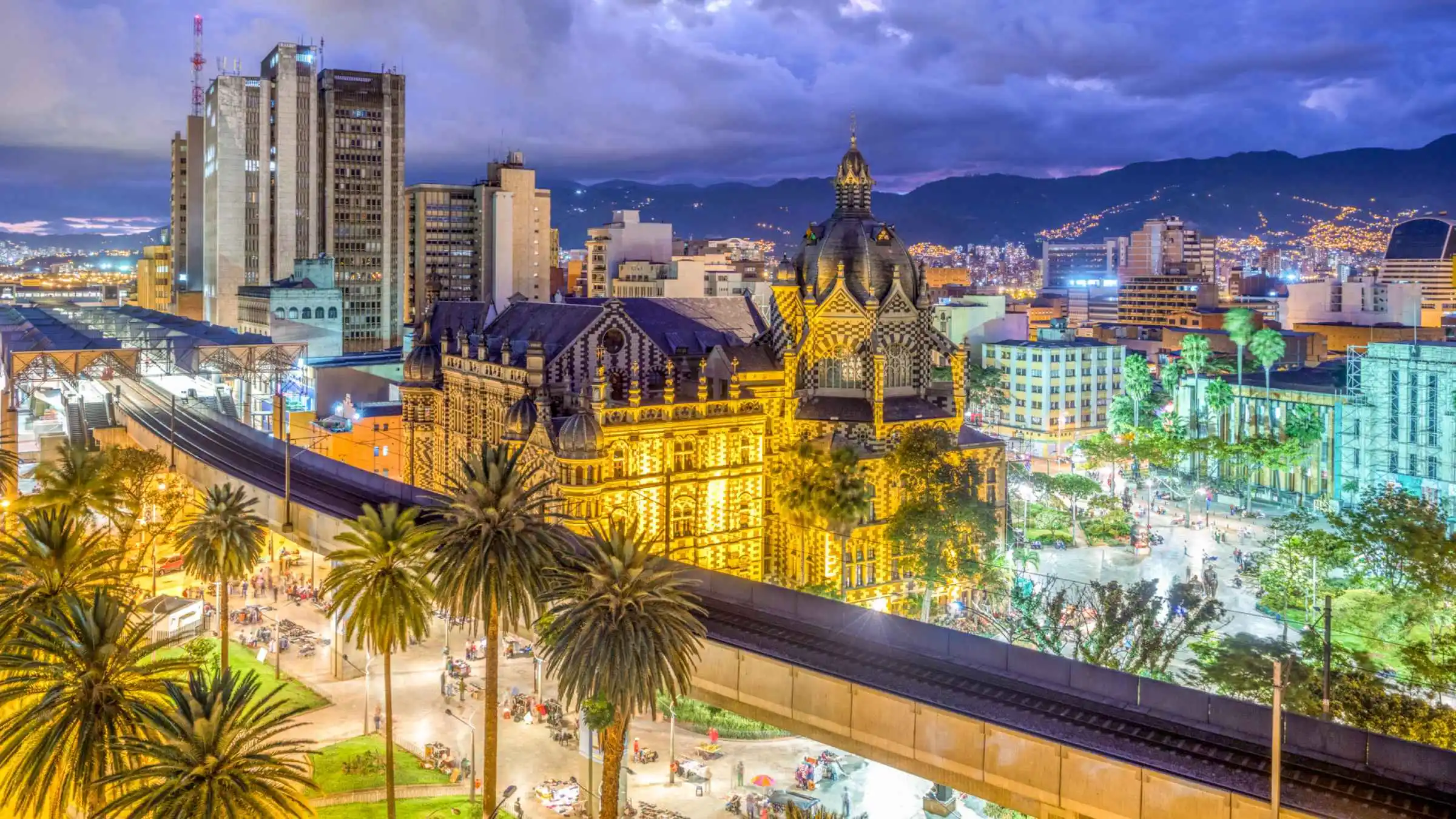
Why a Colombian city loves tango
Tango is a dance and a style of music born more than a century ago in the port neighbourhoods of Buenos Aires and Montevideo. Its mournful sound comes from the bandoneón, a bellows instrument like a small, sad accordion, and it is danced cheek-to-cheek in close embrace.
So how did it become a religion 4,000 kilometres north, in Medellín?
The answer is Carlos Gardel, the most famous tango singer who ever lived. In 1935 his plane crashed on takeoff at Medellín's airport, and the city, heartbroken, adopted his music as its own.
Ninety years on, tango still fills old bars like Málaga and Homero Manzi, and the Medellín Tango Festival, now in its 20th year, is the city's yearly thank-you to the man and the music.
How the festival works
This year's Medellín Tango Festival runs from June 8 to 14, with more than 40 events and free entry to most of them. The key thing for a newcomer to grasp is that it is spread all over the city — not just the tourist-friendly district of El Poblado, but theatres, plazas and working-class barrios where the dancing feels most real.
The week mixes a few formats: a dance championship and singing contest, big concerts, free masterclasses and films, and open-air “milongas,” the social parties where ordinary people come to dance tango. Here is how the final stretch plays out, day by day.
Day by day: June 9 to 14
Tuesday, June 9 — The marquee night — a commemorative gala at the Teatro Metropolitano, where the Medellín Philharmonic shares the stage with Argentine guests, including a pair of world-champion tango dancers. It is the festival's grandest moment, so book ahead if seats remain.
Wednesday, June 10 — The finals of the dance championship and singing contest at the Teatro Pablo Tobón Uribe, with free entry and, for the first time, separate youth and adult categories. It is the best place to watch real competitors up close.
Thursday, June 11 — A quieter day built around the festival's free extras — masterclasses, talks and film screenings, plus small neighbourhood milongas. If you have ever wanted to try a first tango step, this is the day to take a beginner class.
Friday, June 12 — The week's street highlight is Tangovía, a traditional open-air tango party in Manrique, a working-class barrio that is the city's tango heartland. The same stretch hosts the Gran Milonga, a marquee social dance with live music from the Pablo Valle Sexteto.
Saturday, June 13 — Social-dance day, with free milongas in plazas across the city. Come early, watch the locals glide, and let the band carry the night — no experience required.
Sunday, June 14 — The farewell is a free concert at Plaza Gardel, a square named after the legend, with the city's youth tango orchestra led by Argentine conductor Andrés Linetzky. It is a fitting, full-circle close to the 20th edition.
How a newcomer joins in
You do not need to know a single step to enjoy any of this, because watching a good milonga is half the pleasure. Start with a free plaza event, take in the dancers, and you will quickly see who the masters are.
Use a taxi or the metro to reach the barrio venues after dark, and go with a Spanish-speaking friend if you can, since the warmth here is in the conversation as much as the music. A night out costs very little — a beer in a centro tango bar runs about 8,000 pesos, or US$2 — and the full programme is posted by the city at medellin.gov.co.
Frequently Asked Questions
When is the Medellín Tango Festival in 2026?
It runs June 8 to 14, the 20th edition, with most events free across the city. The final stretch covered here runs through Sunday, June 14.
Why is tango so big in Medellín?
The genre's most famous singer, Carlos Gardel, died in a plane crash in Medellín in 1935, and the city embraced his music permanently. The festival is the modern expression of that bond.
Is the festival free?
Most of the 40-plus events have free entry, including the dance championship and many milongas. A few special concerts, such as the gala, may be ticketed.
Do I need to know how to dance?
No. A milonga — a social tango party — is as enjoyable to watch as to join, and beginners are welcomed in, especially at the free plaza events.
Where do the events happen?
All over the city — theatres like the Pablo Tobón Uribe and the Metropolitano, public plazas, and barrios such as Manrique — not only the tourist area of El Poblado.




![New Japanese convenience store rice balls taste like instant noodles [Taste test]](https://soranews24.com/wp-content/uploads/sites/3/2026/09/0_c8e809.jpg?w=1200&h=630&crop=1)


 English (US) ·
  French (CA) ·
  French (FR) ·