

LIVE: Roman Space Telescope launches aboard SpaceX Falcon Heavy - YouTube
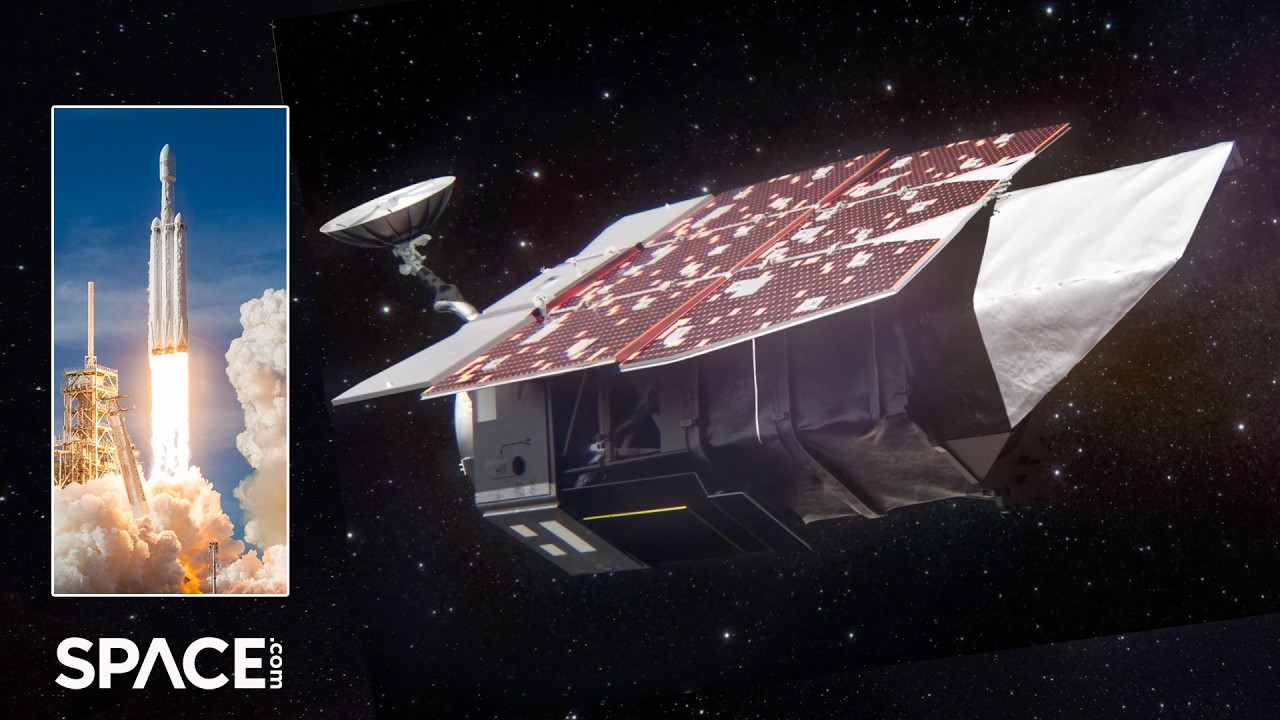
NASA's next great space observatory is about to lift off, and you can watch it live.
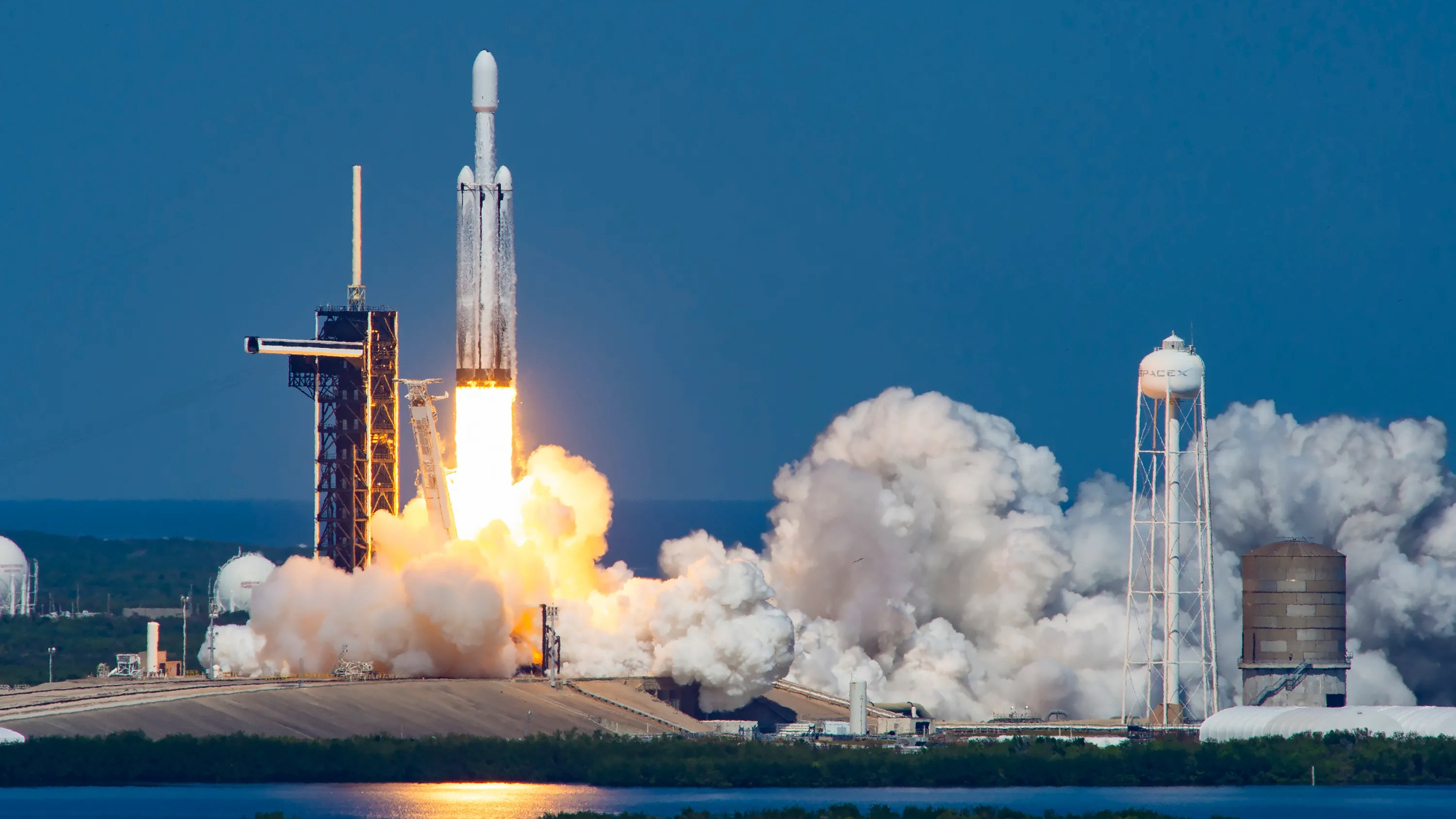
The Nancy Grace Roman Space Telescope is scheduled to launch atop a SpaceX Falcon Heavy rocket from NASA's Kennedy Space Center in Florida on Sunday (Aug. 30) at 7:26 a.m. EDT (1126 GMT).
You can watch it live here at Space.com, courtesy of NASA, beginning at 6:20 a.m. EDT (1020 GMT). You don't have to wait that long for a Roman fix, actually; there's stuff to watch on Saturday (Aug. 29) as well. Here's a rundown of this weekend's Roman action.
Saturday: Prelaunch briefings
Things kick off at on Saturday at 9 a.m. EDT (1300 GMT) with NASA's Roman Space Telescope mission science briefing. This should be quite eventful, for Roman's science goals are ambitious; it will likely discover thousands of exoplanets, for example, and reveal intriguing new information about mysterious dark matter and dark energy.
Participants are:
- Shawn Domagal-Goldman, director, Astrophysics Division, NASA Headquarters
- Julie McEnery, Roman telescope senior project scientist, NASA Goddard Space Flight Center
- Vanessa Bailey, Roman Coronagraph Instrument scientist, NASA Jet Propulsion Laboratory
- Kristen McQuinn, Roman Science Operations Center lead, Space Telescope Science Institute
- Lee Armus, Roman Science Support Center lead, Caltech/IPAC
Next up is the prelaunch press conference, which will discuss the mission's launch readiness. It will start at 10:30 a.m. EDT (1430 GMT) and feature the following folks:
- Nicky Fox, associate administrator, Science Mission Directorate, NASA Headquarters
- Lucas Paganini, Roman telescope program executive, NASA Headquarters
- Jackie Townsend, Roman telescope project manager, NASA Goddard
- Denton Gibson, launch director, NASA’s Launch Services Program, NASA Kennedy
- Julianna Scheiman, director, NASA Science and Dragon Programs, SpaceX
- Justin McReynolds, launch weather officer, 45th Weather Squadron, U.S. Space Force
Then, at 11:45 a.m. EDT (1545 GMT), NASA Administrator Jared Isaacman, an accomplished pilot and private astronaut, will put on a mini air show of sorts.
Isaacman "is expected to fly past the Nancy Grace Roman Space Telescope and Falcon Heavy rocket on the launch pad in his jet," NASA wrote in an Aug. 24 media advisory. "The flyby will be shown live on the same stream as the prelaunch news conference, with a view of the launch pad during the transition. The flyby is subject to weather and operational considerations."
Sunday: Launch day
And there's more to watch on Sunday than the launch itself. At 9:30 a.m. EDT (1330 GMT), NASA will hold a post-launch briefing featuring Isaacman, Fox, Townsend, McEnery and Gibson.
They'll likely discuss the next steps for Roman, which include a 30-day journey to its deep-space home, the sun-Earth Lagrange Point 2. This spot lies about 930,000 miles (1.5 million kilometers) from Earth in the direction of Mars. It's gravitationally stable, meaning Roman will be able to stay put without expending much fuel.
Mission team members will spend the next few months checking out the observatory's systems and science gear. It should be ready to begin its five-year science mission in early 2027.




















 English (US) ·
  French (CA) ·
  French (FR) ·