

PROTECT YOURSELF with Orgo-Life® QUANTUM TECHNOLOGY
Orgo-Life the new way to the future Advertising by Adpathway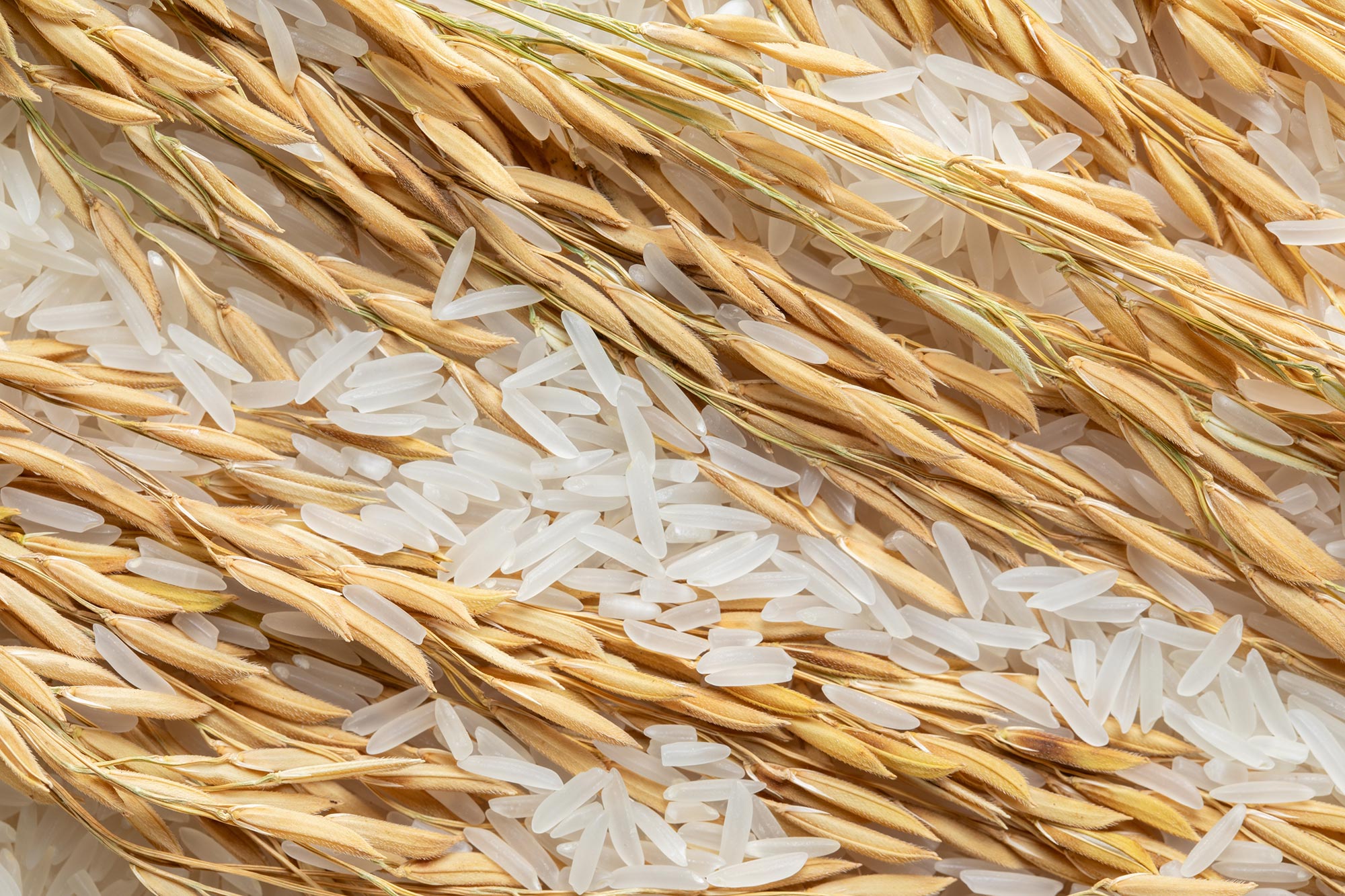 Scientists have developed a new way to protect rice from a destructive bacterial disease that threatens harvests worldwide. Credit: Shutterstock
An AI-designed gene-editing tool is opening new possibilities for protecting essential food crops.
An artificial intelligence-designed gene-editing tool has helped scientists develop rice plants resistant to bacterial blight, a destructive disease that threatens harvests across Asia and Africa. Researchers at the University of Missouri achieved the result using a technology previously tested in animal cells, opening a potential new route to protecting one of the world’s most important food crops.
The breakthrough centers on OpenCRISPR-1, a gene-editing system developed by California biotechnology company Profluent. Led by Bing Yang, a Curators’ Distinguished Professor in the College of Agriculture, Food and Natural Resources, the Missouri team adapted the technology for use in rice.
An AI-Designed Tool for Stronger Crops
Gene editing allows scientists to make targeted changes to DNA, including modifications to genes that influence a plant’s vulnerability to disease. By studying how bacterial pathogens interact with rice at the genetic level, researchers can identify opportunities to strengthen the crop’s defenses.
OpenCRISPR-1 also offers an advantage over some existing gene-editing systems: it is freely available for research and commercial crop development.
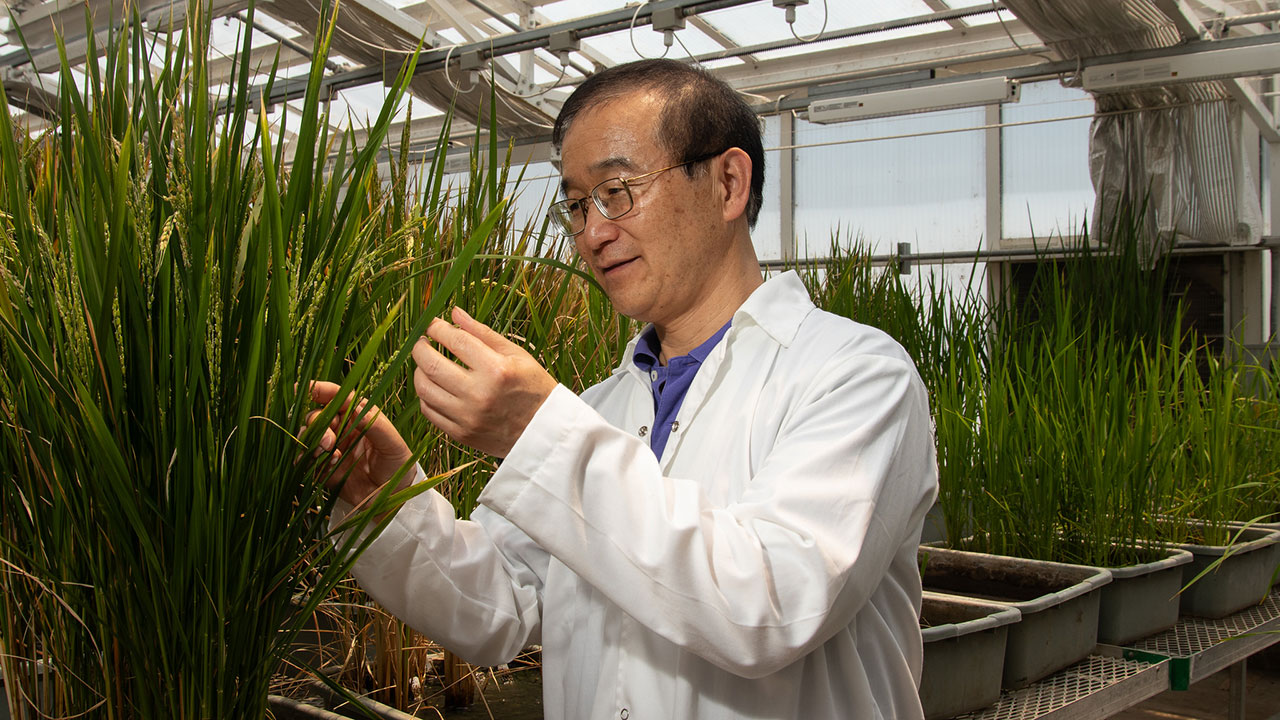 Bing Yang. Credit: University of Missouri
“Unlike proprietary gene-editing tools that may require licensing agreements for commercial use, OpenCRISPR-1 is open source and free for research and commercialization of crop genome editing,” Yang said. “That accessibility gives researchers and companies greater flexibility to explore new genetic solutions and develop crop varieties with valuable agricultural traits.”
Protecting Rice From a Devastating Disease
Bacterial blight can severely reduce both the quantity and quality of rice harvests. In regions where rice farming supports millions of livelihoods, outbreaks can have serious economic consequences and threaten a vital food supply.
“Bacterial blight can wreak havoc on rice crops, reducing both yield and quality, which creates serious challenges for farmers who depend on the staple grain,” Yang said. “Our lab investigates how bacterial blight interacts with rice at the genetic level — knowledge that helps us identify ways to strengthen the plant’s natural defenses.”
Although the researchers have successfully developed resistant plants, the work remains at the laboratory stage. The next challenge is transferring the findings into commercially grown rice varieties, followed by additional testing, regulatory review, and partnerships with companies capable of bringing the crops to market.
Could the Technology Protect Other Crops?
Farmers may have to wait several years before rice varieties developed through this research become available. Meanwhile, Yang’s team sees potential applications beyond bacterial blight, including improving resistance to other diseases and helping crops withstand environmental stresses.
Corn and soybeans are among the crops that could eventually benefit from similar genetic approaches, although such applications would require further research.
“Our recent breakthrough paves the way to explore genetic solutions to a range of challenges that farmers face across Missouri and nationwide, from devastating plant diseases to drought and extreme temperatures,” Yang, an investigator in the Bond Life Sciences Center, said. “By developing crops that are better equipped to withstand these stresses, we can help farmers protect yields, strengthen agricultural resilience and prepare for an increasingly challenging growing environment.”
Reference: “AI-designed OpenCRISPR-1 enables efficient targeted mutagenesis and prime editing in rice” by Ajay Gupta, Rabia Ahuja, Bo Liu, Mark Adero, Dung Thi Pham, Wolf B. Frommer and Bing Yang, 20 May 2026, aBIOTECH.
DOI: 10.1016/j.abiote.2026.100054
Never miss a breakthrough: Join the SciTechDaily newsletter.
Follow us on Google and Google News.






















 English (US) ·
 French (CA) ·
 French (FR) ·