

PROTECT YOURSELF with Orgo-Life® QUANTUM TECHNOLOGY
Orgo-Life the new way to the future Advertising by Adpathway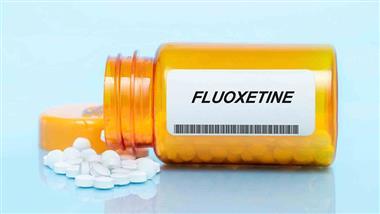
Story at-a-glance
- A reanalysis of a landmark trial confirmed that fluoxetine alone didn’t outperform placebo on the main depression rating scale after 12 weeks in adolescents, though it did produce more treatment responders than placebo
- Researchers uncovered 11 suicide-related adverse events that hadn’t been reported and documented 10 suicide attempts — nine in teens taking fluoxetine — compared with seven in the original report
- Incomplete and selective reporting made fluoxetine appear safer than it was, and the reanalysis found its benefits were inconsistent across measures
- A separate review of TADS publications found that many side effects were left out of the published reports, especially after the first 12 weeks
- Improving gut health, getting regular exercise, undergoing therapy, and optimizing vitamin D may help support mood, ideally with guidance from a mental health professional
Once in a while, the findings of a particular study make such a big impact in the medical industry that it influences recommendations for many years to come. One notable example is the Treatment for Adolescents with Depression Study (TADS), which was published in 2004.1 More than two decades after TADS was published and shaped how doctors prescribe fluoxetine (Prozac) to teens, investigative journalist Maryanne Demasi, Ph.D., has sounded the alarm regarding evidence showing that the original findings dramatically underreported serious adverse events.2
In a study published in the International Journal of Risk & Safety in Medicine, researchers uncovered major flaws in TADS. This was a large, publicly funded study that shaped prescribing habits for fluoxetine, making it the default first-line treatment for adolescents diagnosed with major depressive disorder. TADS included 439 adolescents aged 12 to 17, all diagnosed with major depressive disorder.3 The original trial split them into four groups — fluoxetine only, cognitive behavioral therapy (CBT) alone, a combination of CBT and fluoxetine, and placebo. The reanalysis showed that while the combination of fluoxetine plus CBT produced the biggest drop in depression scores, fluoxetine by itself didn't outperform placebo on the main depression rating scale by the end of the 12-week acute phase, although it did produce more treatment responders than placebo. Overall, the team said its findings were "not concordant with the TADS teams' conclusions or the way TADS results have generally been represented since publication."4 • What the reanalysis uncovered — In this study, the team reviewed the raw trial data — not just published outcomes — and reaudited everything using the original study protocol. They applied the RIAT model (Restoring Invisible and Abandoned Trials) to see what the results would look like if all the data were handled transparently and analyzed according to the original protocol. What they found turned the original TADS conclusion on its head — the team found "little support to justify the routine use of fluoxetine as treatment for adolescent depression."5 On top of that, over two-thirds of all serious adverse events (22 of 32) happened in kids who took fluoxetine. • Fluoxetine's benefits were inconsistent — The reanalysis found that fluoxetine's advantage over placebo depended on how it was measured. Specifically, on the main outcome measure — the Children's Depression Rating Scale-Revised (CDRS-R) — the difference between fluoxetine and placebo was statistically insignificant. Fluoxetine did produce more treatment responders than placebo on the second main measure, the Clinical Global Impression-Improvement scale (64% vs. 39%), but it beat placebo on only two of 11 secondary measures — both rated by clinicians who weren't blinded. What's worse, the original study authors had emphasized suicidal thoughts and behaviors as rare. But the reanalysis team identified 11 additional suicide-related events that weren't reported in the official TADS reporting. They also documented 10 suicide attempts in 10 participants — nine of whom were taking fluoxetine — compared with the seven attempts reported in the original paper. There were no completed suicides. That's a major correction to the record and shifts the risk-benefit picture. • Adverse events were abundant — The reanalysis noted that 369 adverse events occurred for 171 participants, and 66% of those occurred in participants taking fluoxetine. These weren't limited to suicide-related episodes. Some events appeared in the trial's records but not in the published papers, including two hospitalizations that should have been classified as serious adverse events, and three suicide attempts that were logged in the study's attrition-prevention records but not in its adverse event database. The original reports also left out events that occurred in fewer than 2% of participants and adverse events in participants whose treatment was ended early. • Even the combination of CBT with fluoxetine was misleading — While it did show the strongest symptom drop, the reanalysis points out a problem — those therapy sessions weren't blinded. Therapists and participants both knew who was receiving treatment. That opens the door for expectancy bias, meaning they expected themselves to improve, so they reported feeling better, regardless of whether the drug helped. That calls into question how much of that symptom improvement came from the medication itself. • Statistical shortcuts flattered the results — The reanalysis also pointed to flaws in the original statistical analysis. In the original trial, multiple comparisons were made between groups without correcting for how that inflates the chance of false positives. Essentially, the more statistical tests you run, the higher the odds you'll find something significant just by chance. The RIAT team corrected for this. After the correction, fluoxetine alone still didn't outperform placebo on the main depression scale, while its edge on the responder measure held. • Possible reason why side effects occur — The reanalysis didn't examine how fluoxetine causes side effects, but the theory behind selective serotonin reuptake inhibitors (SSRIs) raises questions of its own. SSRIs are thought to work by increasing serotonin levels in the brain, which is linked to mood. But that theory doesn't explain why some teens on fluoxetine experience agitation or insomnia, both of which were noted in the early TADS reports. • Complete disclosure is required for the public's safety — The study called for full access to clinical trial data moving forward, and concluded that fluoxetine's "inconsistent benefits do not outweigh the harms identified in this study" and that the increase in harms "warrants further circumspection when prescribing it to adolescents." As summarized by the team's closing words:6 "Our reanalysis confirms the original reported findings that superiority over placebo was not demonstrated for fluoxetine. Contrary to original TADS Team's reporting, we have uncovered a higher, clinically significant level of harm, including 11 additional suicide-related adverse events." These findings raise a larger question. As the reanalysis authors note, this and several other reanalyses "suggest that antidepressant trial results cannot be taken at face value." The featured study above isn't the only publication pointing out the flaws of TADS. In a different study, published in BMJ Open, researchers investigated how adverse effects were documented across all published materials from the TADS trial. In the end, the team found that the safety reporting was incomplete, and that the gaps "may lead to bias and erroneous conclusions regarding the safety profile" of fluoxetine in minors.7 Rather than focusing solely on original trial data, this review investigated how the TADS researchers reported — or failed to report — side effects when writing up results over the years. Out of the 48 papers investigating TADS, only eight provided any data on adverse effects, and most of those provided limited or vague descriptions of the harm associated with fluoxetine treatment. • The side effects of fluoxetine are downplayed — While previous reports have mostly emphasized fluoxetine's effects on depressive symptoms, the BMJ Open team turned the spotlight to what was missing. For example, well-known SSRI side effects such as weight and appetite changes and sexual problems were never mentioned in TADS-related publications, and others, such as insomnia, dropped out of the reports after the first 12 weeks. Only suicidal behavior was consistently tracked through the 36-week period, leaving out a wide array of common and distressing adverse experiences that could have shaped treatment decisions for families and clinicians. • A misleading classification was flagged — Nine cases of suicidal behavior were reported in the placebo group even though those teens were taking fluoxetine at the time and the placebo period had already ended. As the reviewers explain, the risk of suicidal behavior won't appear higher for fluoxetine than for placebo if teens taking fluoxetine are counted in the placebo group, which made the drug's safety profile look cleaner than it was. • Another issue was the reporting threshold itself — The researchers noted that the TADS team only counted events that caused clinically significant interference with functioning, required medical attention or led to a new medication. Milder events weren't counted as adverse events:8 "In the TADS, adverse events were defined as an unfavourable medical change that occurred after beginning or during the study that might or might not be related to or caused by the study drug or CBT treatment. This was further specified as any medical event that caused clinically significant interference with functioning (e.g., headache that caused school absence or otherwise caused clinically significant activity restriction), any event that required medical attention, and any medical event associated with impairment in functioning and induced the patient to take a concomitant medication. Conditions that did not lead to clinically significant interference with functioning or did not require medical attention were not defined as adverse events." • The threshold kept milder problems off the record — The reviewers couldn't find published versions of the questionnaires used to collect side effect data, so it's unclear which symptoms were specifically asked about. They also noted that the threshold likely reduced the number of side effects reported:9 "The TADS protocol included a threshold limit on what would be considered an adverse event, specifying that the event must cause clinically significant interference with functioning, require medical attention or cause a need to take medication. As an example, emerging mania was not recorded unless symptoms exceeded this threshold. It must be assumed that this reduced the number of reported adverse effects, which may not have been severe enough to reduce daily functioning or cause a need for additional treatment." • There's also the issue of long-term follow-up — Even though the TADS trial lasted for 36 weeks, most publications only focused on the 12-week acute treatment phase. After that, side effect reporting all but disappeared:10 "Due to its long duration (36 weeks) and follow-up (1 year), the TADS could have provided valuable information on the long-term occurrence of adverse effects both in frequency and severity. The adverse effects profile of FLX [fluoxetine] in the TADS has only been reported in detail for stage 1, where approximately 200 patients received FLX for 12 weeks." Depression among the youth, or any age for that matter, is a serious concern, but taking a pill shouldn't be the first course of action. If you're depressed, work with a mental health professional. These natural strategies may help alongside that care: 1. Strengthen your gut health — Improving your digestive health is a foundational step toward better mental well-being due to the gut-brain axis. To nurture this relationship further, incorporating homemade probiotic-rich foods and steering clear of ultraprocessed foods high in linoleic acid (LA) may support communication between your gut and brain. Excess LA may harm your gut health. I recommend keeping your intake between 2 and 5 grams a day from all sources — LA is still an essential fat, so don't aim for zero. To help you monitor your intake, download the upcoming PAXapp. It has a feature called the Seed Oil Sleuth, which calculates the LA in your food to a tenth of a gram. In addition, limiting processed foods and reducing exposure to antibiotics and agricultural chemicals can further protect your gut microbiome. A nutrient-rich diet fuels cellular energy and supports metabolic functions — both of which may help support a stable mood. 2. Embrace a lifestyle that supports mental resilience — Support your mental health through regular exercise and quality sleep. Physical activity enhances mitochondrial health and boosts natural energy levels. Even simple habits like walking about an hour each day and keeping a consistent sleep routine can help lift your mood. 3. Try non-pharmaceutical methods — Examples include counseling, talk therapy, and cognitive-behavioral therapy (CBT). These methods empower you to develop coping strategies, confront root causes of distress, and build mental resilience without depending on medications. Another promising option is the Emotional Freedom Techniques (EFT), a form of psychological acupressure that some small studies suggest may help ease anxiety and depressive symptoms.11 4. Prioritize healthy vitamin D levels — Ensuring your body has adequate vitamin D through safe sun exposure may support your mood. As noted in a previous article, research has linked low vitamin D to a higher risk of depression. Thus, increasing your levels naturally by spending time outdoors may help support emotional well-being. However, it's not advisable to get out in the sun right away, especially if you've been eating a diet high in LA. When sunlight hits your skin, the LA embedded there may oxidize and promote inflammation. To protect your health, it's advisable to avoid midday sunlight, especially between 11 a.m. and 3 p.m. for about four to six months after you cut out seed oils, then gradually build up exposure around solar noon. To hasten the process, I recommend getting C15:0 (pentadecanoic acid) from full-fat grass fed dairy. Most people get only about 100 to 200 milligrams of C15:0 per day. I personally take 2 grams daily. At that level, research suggests your keratinocytes — the skin cells in your outermost layer — may start incorporating C15:0 in place of LA. For an in-depth guide on this process, read "The Fast-Track Path to Clearing Vegetable Oils from Your Skin." 5. Foster honest dialogue with the youth — When supporting a young person's mental health, creating a safe, non-judgmental space for open communication is important. Encouraging them to express their emotions and concerns helps them feel heard and understood. This approach also aids in detecting any early signs of distress, which can lead to timely, effective support or intervention. 6. Explore these other natural strategies — For those seeking natural relief from stress and anxiety, gamma-aminobutyric acid (GABA) supplements may be one option to explore. GABA is your brain's main calming neurotransmitter, and a systematic review of placebo-controlled human trials found limited evidence that oral GABA helps with stress.12 Talk with your health care provider before trying it, especially if you take medication for anxiety, sleep, or mood. Methylene blue supports mitochondrial energy production, and in one small 3-week trial in adults with severe depression, it outperformed placebo.13 It should only be used in pharmaceutical-grade form prescribed by a health care professional, and never alongside antidepressants that act on serotonin, since case reports have linked the combination to serotonin syndrome.14 These findings are from research conducted in clinical settings. Results may not apply to all individuals. If you're currently on an antidepressant and want to get off it, you'll want to have the cooperation of your prescribing physician. With their guidance, start lowering the dosage of the medication you're taking. There are protocols for gradually reducing the dose that your doctor should be well aware of. If you are feeling desperate or have any thoughts of suicide and reside in the U.S., please call or text the 988 Suicide & Crisis Lifeline, or call 911, or simply go to your nearest hospital emergency department. You cannot make long-term plans for lifestyle changes when you are in the middle of a crisis. U.K. and Irish helpline numbers can be found on TherapyRoute.com. For other countries, do an online search for "suicide hotline" and the name of your country. Q: What was the TADS study, and why is it being reexamined now? A: The Treatment for Adolescents with Depression Study (TADS) was a 2004 landmark trial that significantly influenced the use of fluoxetine in adolescents. It originally concluded that fluoxetine, especially when combined with cognitive behavioral therapy (CBT), was effective in reducing depressive symptoms. However, a reanalysis using raw data and the Restoring Invisible and Abandoned Trials (RIAT) model revealed serious flaws, including underreporting of suicidal events, and inflated efficacy claims. This has prompted a major reevaluation of fluoxetine's safety and usefulness for young patients. Q: What did the reanalysis find about fluoxetine's effectiveness and risks? A: The reanalysis showed that fluoxetine alone didn't outperform placebo on the main depression scale after 12 weeks — matching the original findings — though it produced more treatment responders. Alarmingly, over two-thirds of all serious adverse events occurred in participants taking fluoxetine, and the team found 11 suicide-related adverse events that hadn't been reported, plus 10 suicide attempts (nine among teens taking fluoxetine) versus the seven originally reported. These findings challenge the drug's risk-benefit profile and suggest its widespread use rested on incomplete safety data. Q: How were side effects misreported or minimized in the original TADS publications? A: Investigations revealed that adverse events were incompletely reported. Milder side effects weren't recorded because of the trial's reporting threshold, and common SSRI effects such as weight and appetite changes were never mentioned. Moreover, nine cases of suicidal behavior in teens taking fluoxetine were counted in the placebo group, skewing the safety data. Long-term side effects were also largely ignored, despite the trial running for 36 weeks. Q: What implications does this reanalysis have for antidepressant use in teens? A: The findings show that fluoxetine's benefits were overstated and its dangers downplayed, casting doubt on the drug's status as a first-line treatment for adolescent depression. The reanalysis calls for greater transparency in clinical trial reporting and urges more caution when prescribing fluoxetine to adolescents. Q: Are there natural strategies that may support mental health in adolescents? A: Yes. Alongside care from a mental health professional, consider exploring nondrug strategies such as: This article is for informational purposes only and does not constitute medical advice. Consult a qualified health care provider before making changes to your health regimen.A Landmark Trial Reexamined from the Ground Up
Widespread Gaps in Side Effect Reporting of TADS Is Exposed
Feeling Down? Here Are Natural Strategies That May Help
Frequently Asked Questions About the TADS Reanalysis


















 English (US) ·
 French (CA) ·
 French (FR) ·