

.jpg) 1 week ago
5
1 week ago
5
PROTECT YOURSELF with Orgo-Life® QUANTUM TECHNOLOGY
Orgo-Life the new way to the future Advertising by AdpathwayPING has added two new models to their Scottsdale TEC line of putters in the most classic of PING ways. The total promotion strategy was a couple of posts on social media about them coming soon and that’s about it.
“Hi, golfers. We made these. We hope you like them.”
-PING
This muted promotional strategy is nothing new for PING. I’ve given PING grief for underselling their new putters since the original Ketsch release.
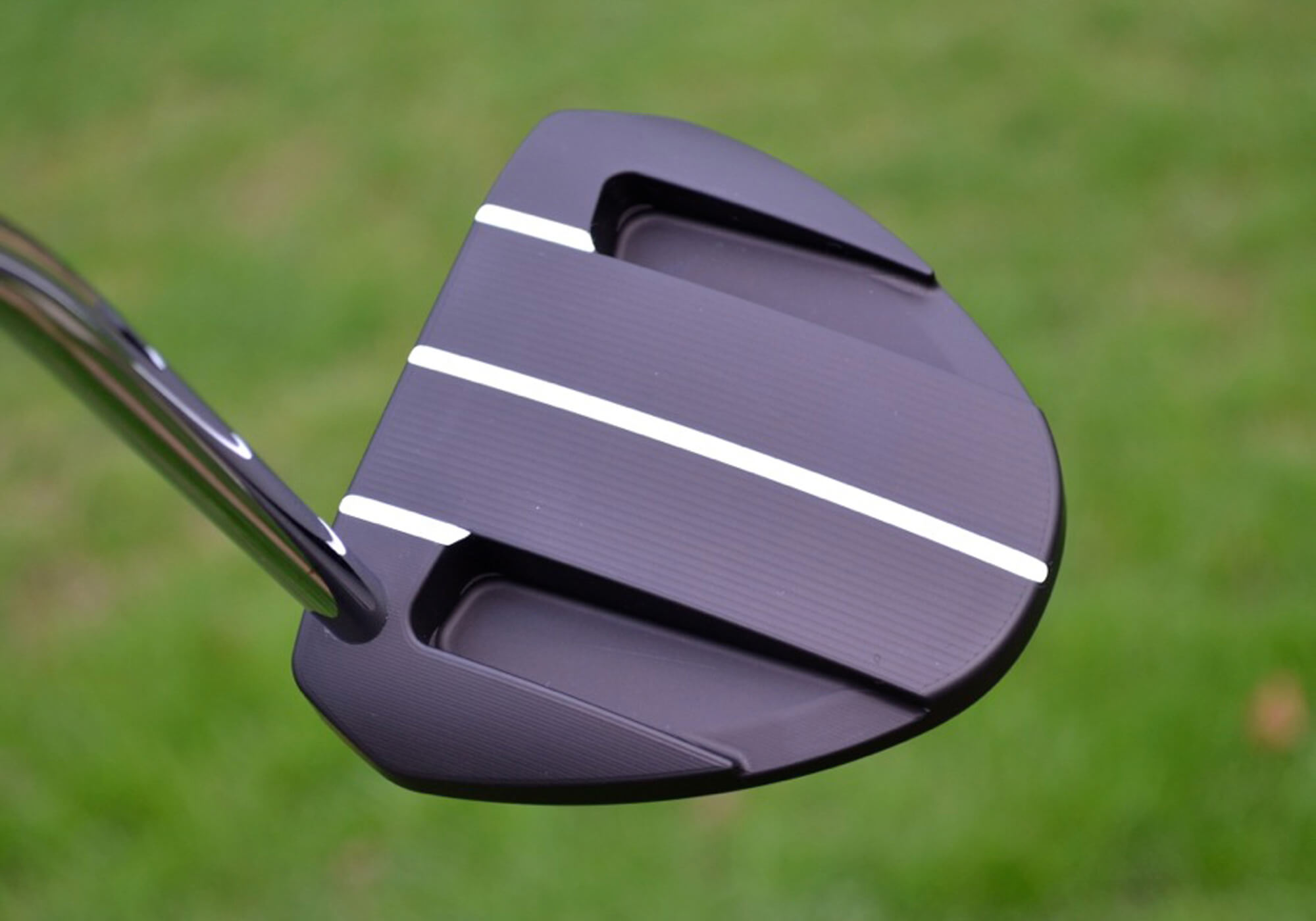
That putter was amazing and like these two new Scottsdale TEC models, it didn’t even get an official press release.
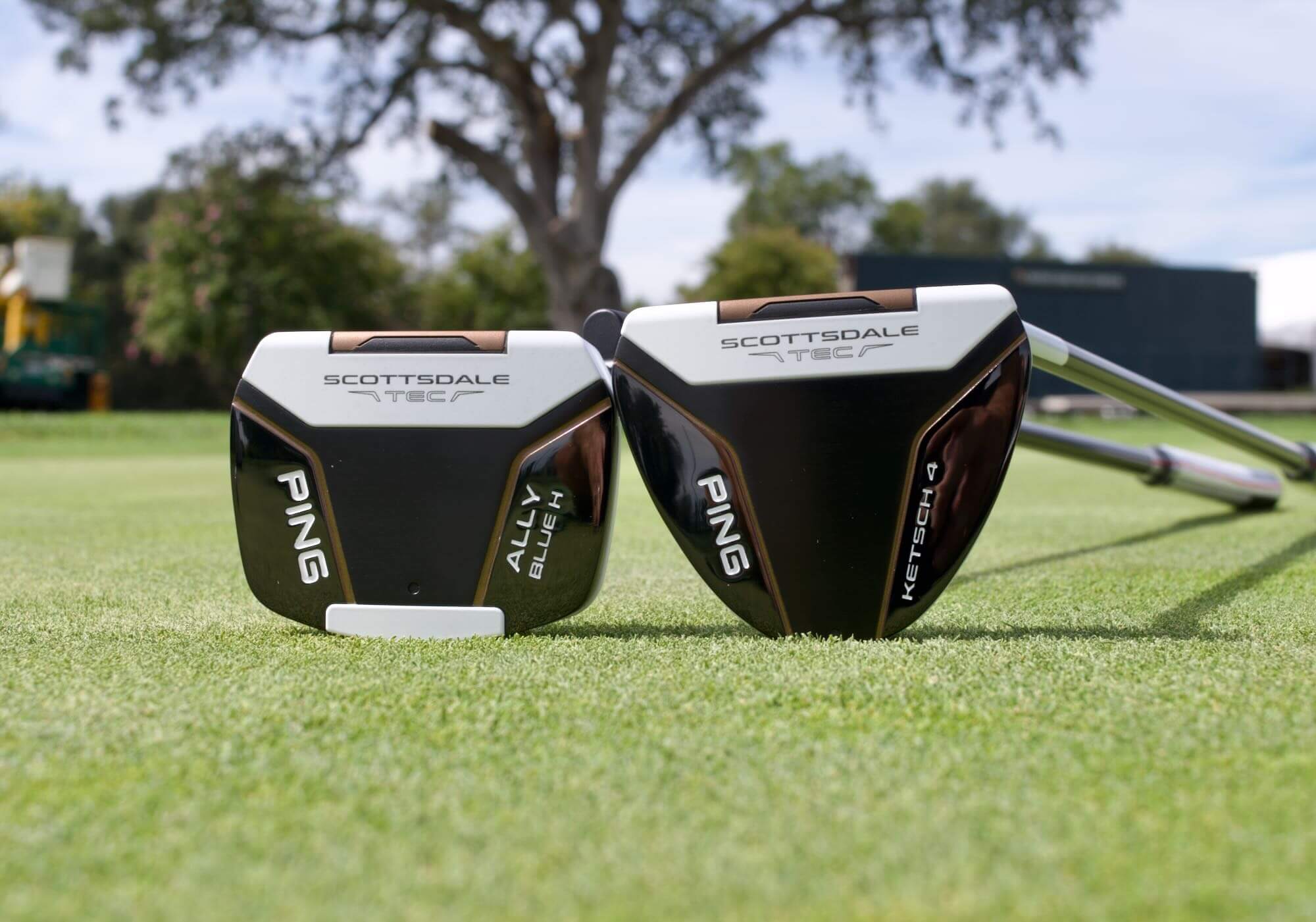
Most golfers view PING as driven by engineering and custom fitting. I realize that every company custom fits these days but PING, and their colored dots, focused on fitting their clubs to golfers’ needs a long time ago.
Their marketing may be muted but they do build innovative products and they want you to be able to play them.
That’s the story behind the new Scottsdale TEC putter models.
I bet you need a Scottsdale TEC refresher
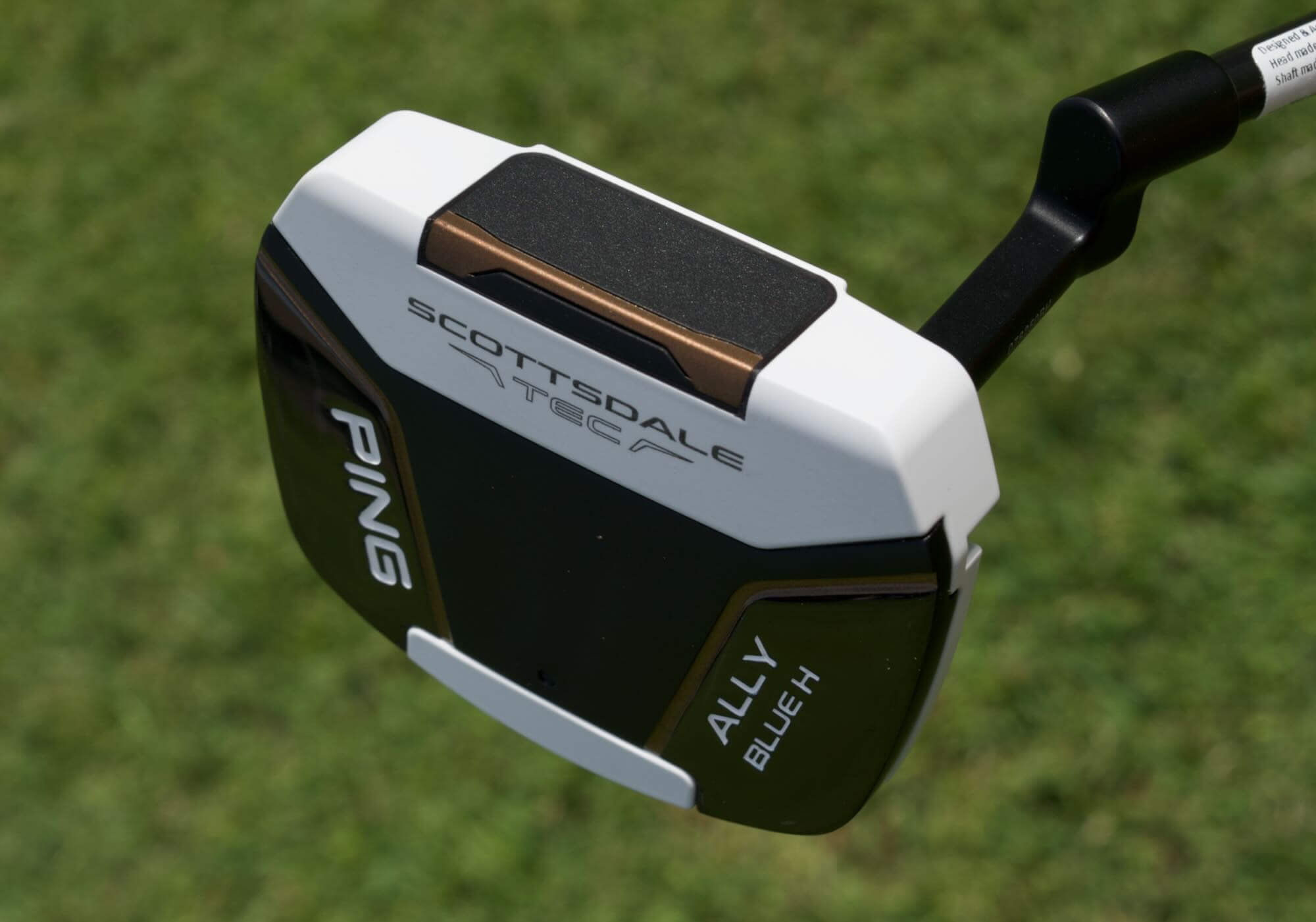
The engineering story behind the Scottsdale TEC line focuses on alignment. PING used the Quiet Eye tracking system to follow eye movement patterns during putting. This led to the creation of the Scottsdale TEC’s Eye-Q alignment scheme.
The goal of the high-contrast coloration and the dot/line targeting system is to improve focus. The coloration makes it impossible to ignore the black sight dot and line against the white background.
This color scheme allows golfers to use the line to aim at the target and then to narrow their focus before the stroke by looking at the front edge dot.
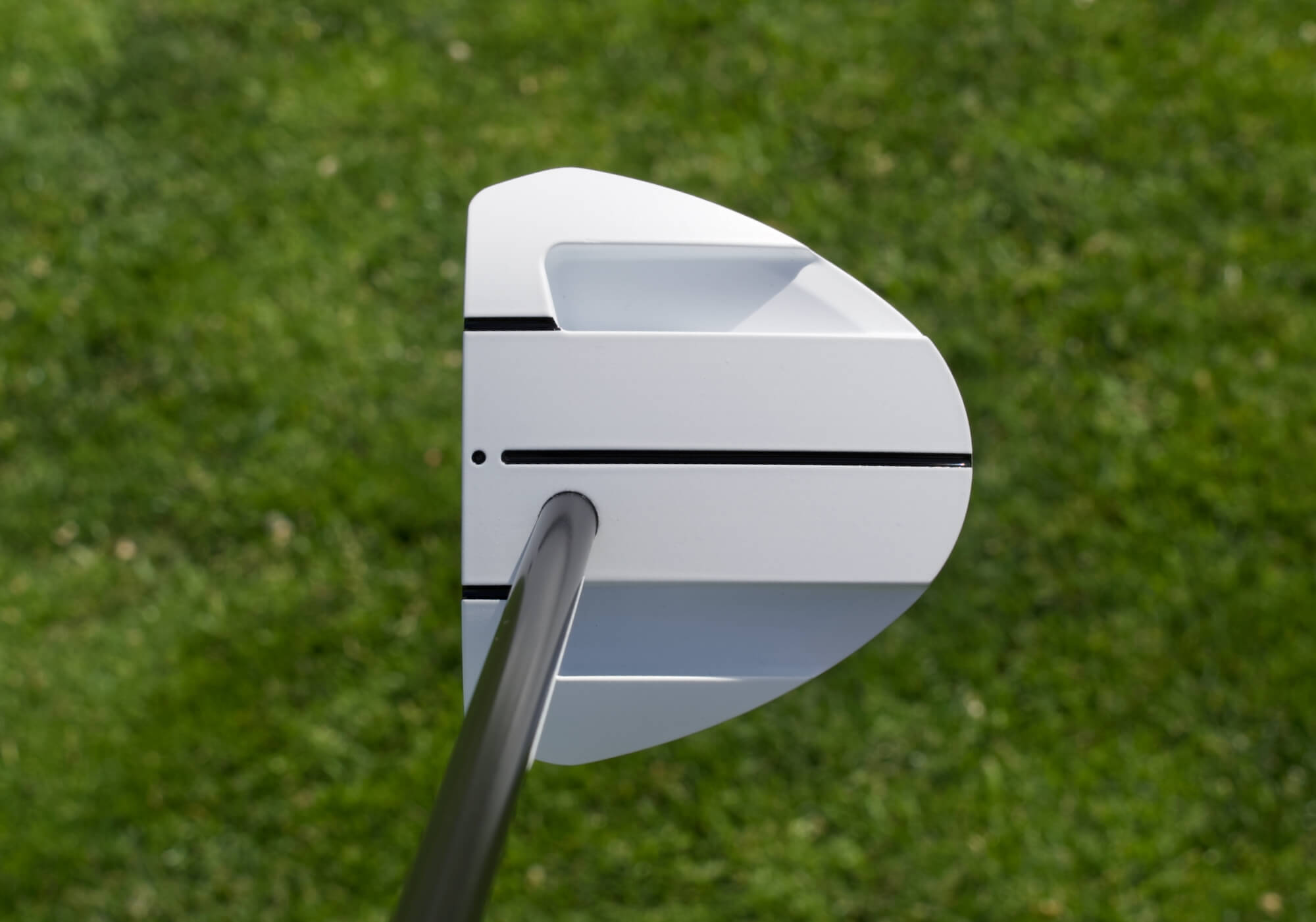
The focusing on the dot stabilizes the eyes and leads to improved putting.
If you are wondering if it works, look no further than now two-time U.S. Open winner Wyndham Clark’s putting with his Scottsdale TEC Ally Blue Onset.
Not many putters win a major in their first few months of release.
To me, that says that the tech works. Remember, PING takes great pride in their engineering. They are not going to claim that any of their putters does something without having done the research to support their claim.
New necks = new players

The two new Scottsdale TEC putters are versions of existing models from the initial release. The initial Ally Blue and Ketsch putters were Onset shafted models with the shaft entering the body well behind the face of the putter.
Though they may look like zero-torque putters, the shaft position entry is not at the center of gravity. This puts the CG behind the shaft, allowing the CG to essentially push the putter forward like it does with most PING putters.
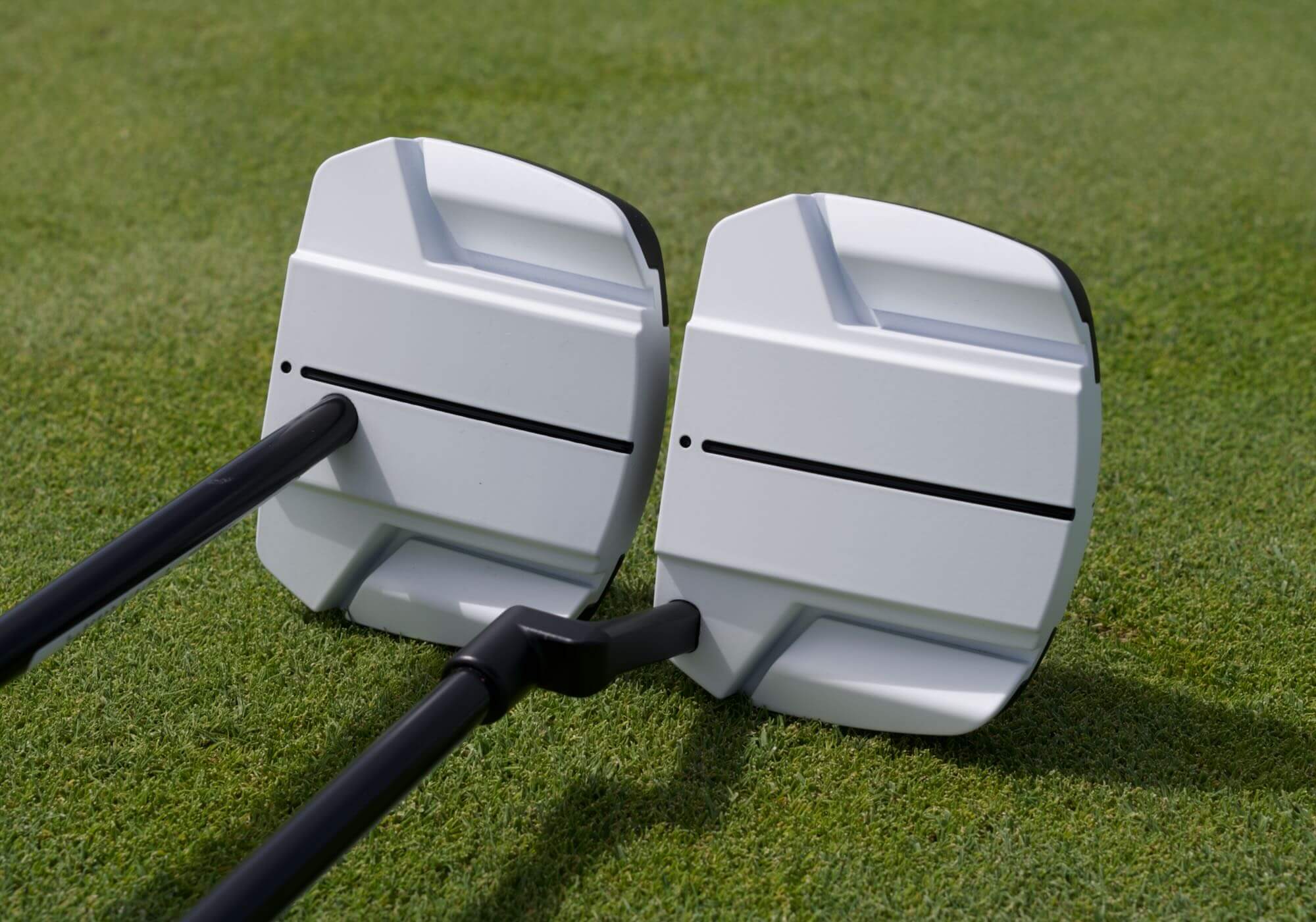
However, Onset hosel delivers a specific feel and torque profile that may not suit an individual’s stroke. That’s where the new versions come in.
The new neck options expand the range of players that will now fit into a Scottsdale TEC putter. Here are the specifics.
Scottsdale TEC Ally Blue H
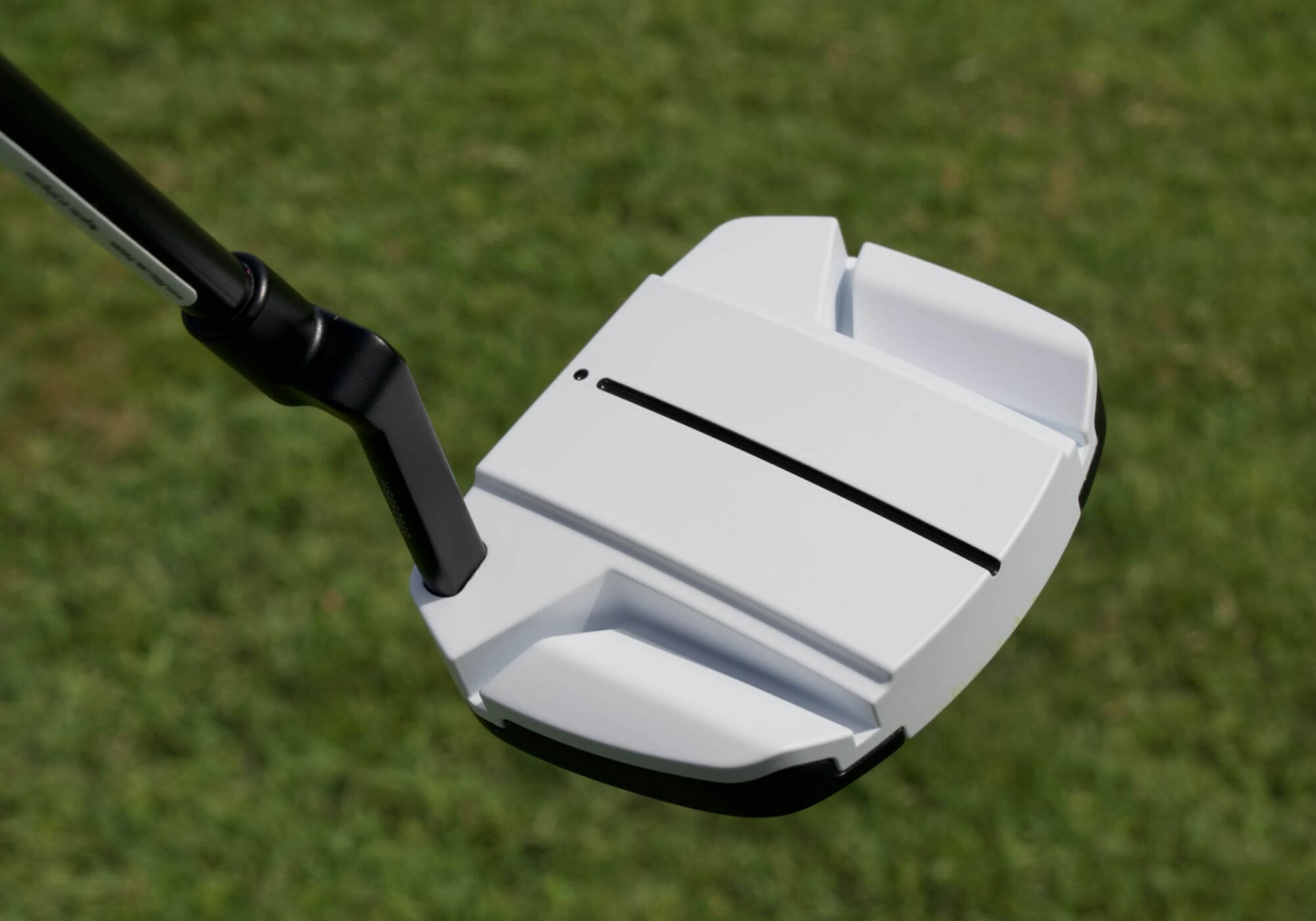
When PING released the original Scottsdale TEC models, I emailed my contact there to ask if a version with a plumber’s neck would be possible. I had played a number of rounds with the Ally Blue Onset model and things were good on the greens but not great. I was fighting to make it work for me and I blamed the neck.
In recent months, I’ve come to realize that my best mallet play comes from putters with plumber’s necks. The amount of rotation produced by the neck suits the arc of my stroke.
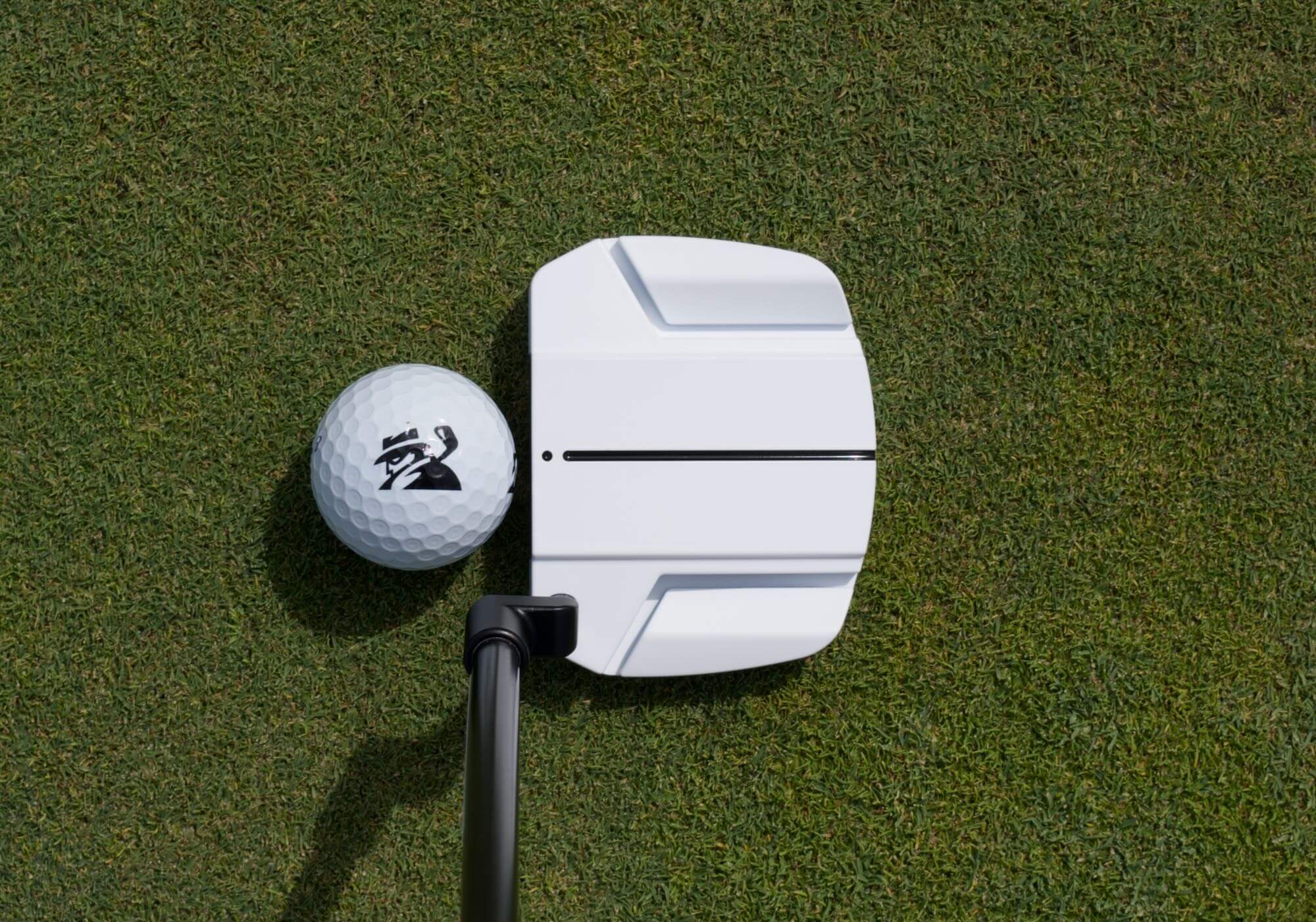
As it turned out, the Scottsdale TEC Ally Blue H was already out there in limited release in Europe. I was excited that it would soon be in the United States and I wondered if I was a bit of a putter psychic.
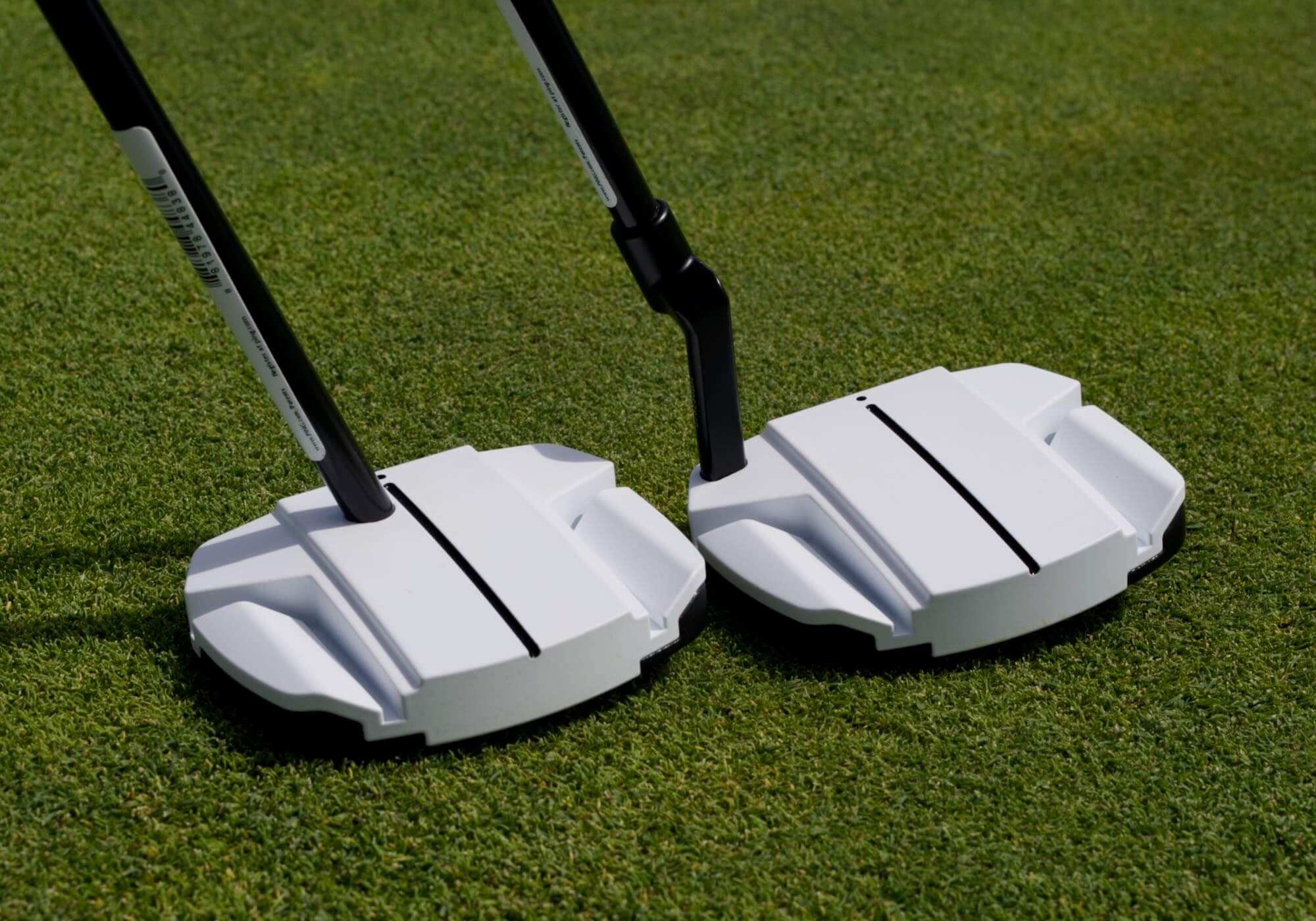
That’s the significance of the release. Now someone like me who needs a plumber’s neck mallet can take advantage of the Eye-Q alignment system.
When you add a neck, you expand the fitting scope, and add new players to the Scottsdale TEC cohort.
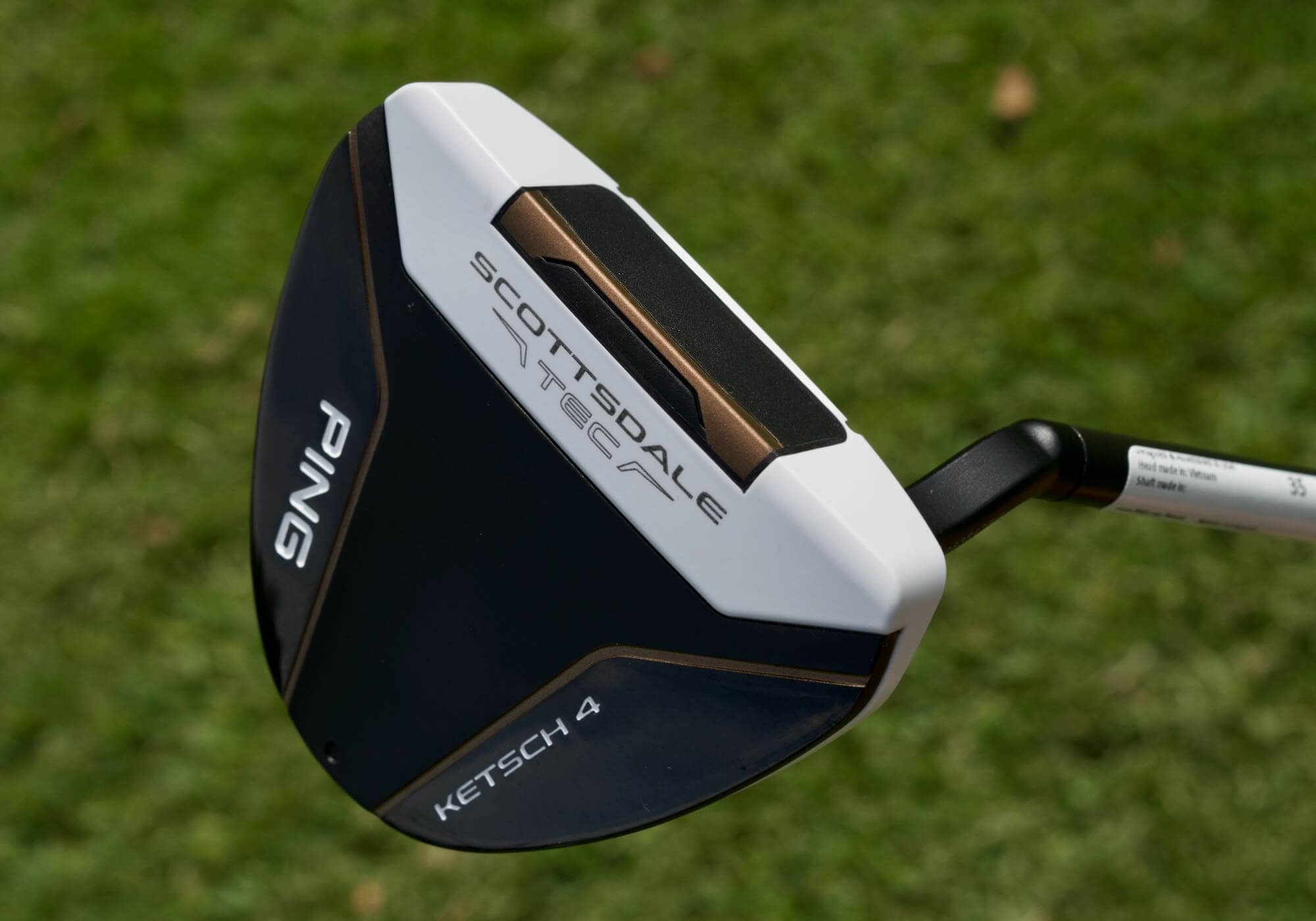
Scottsdale TEC Ketsch 4
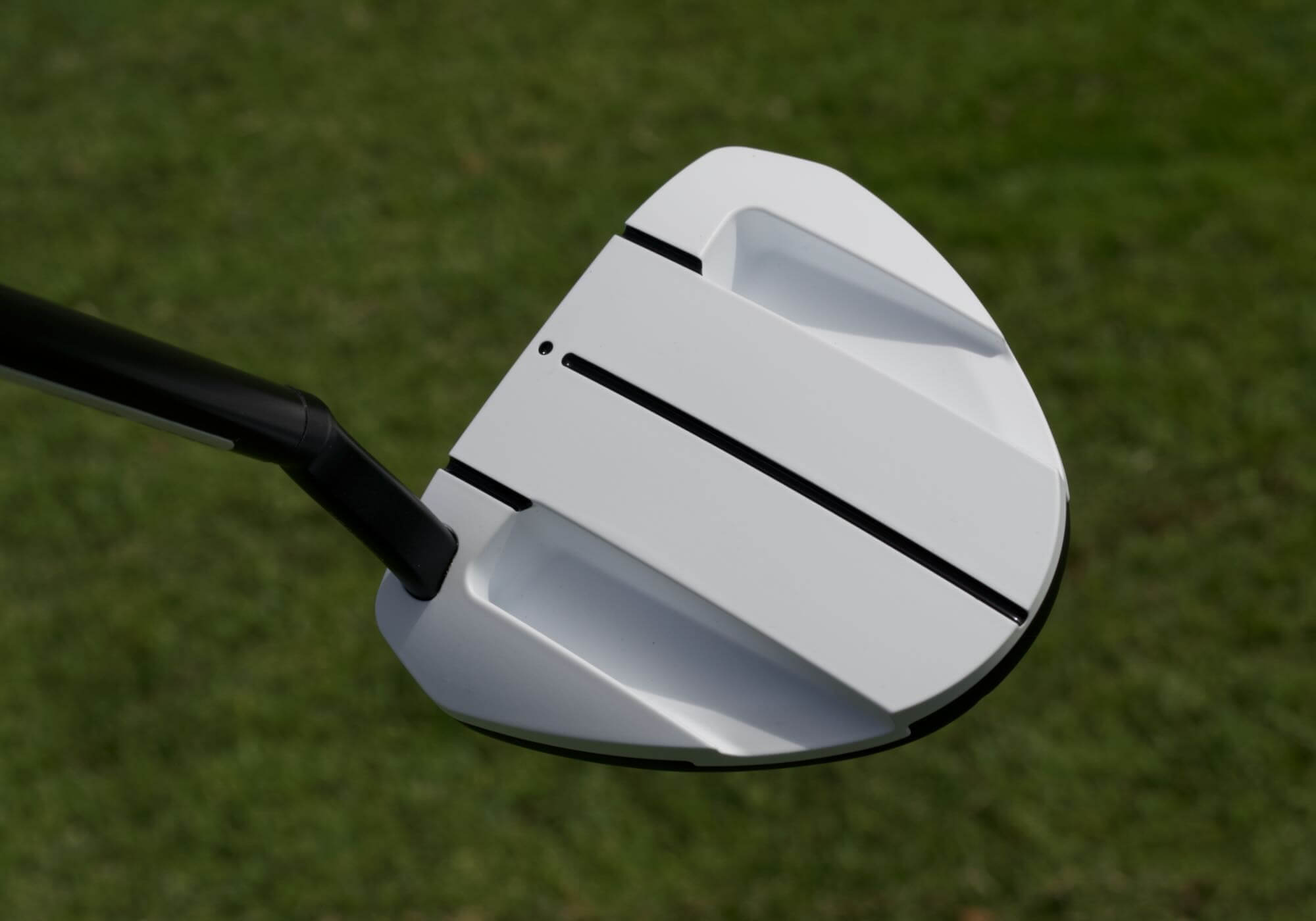
The Scottsdale TEC Ketsch 4 is built for strong-arc players. There was a time when a mallet for a strong-arc player was not a thing. Maybe not even a thing of the imagination, not even for putter psychics.
The original PING Ketsch was one of the first mallets I remember having that strong arc option. In fact, the Ketsch could be built for straight, slight-arc and strong-arc players.
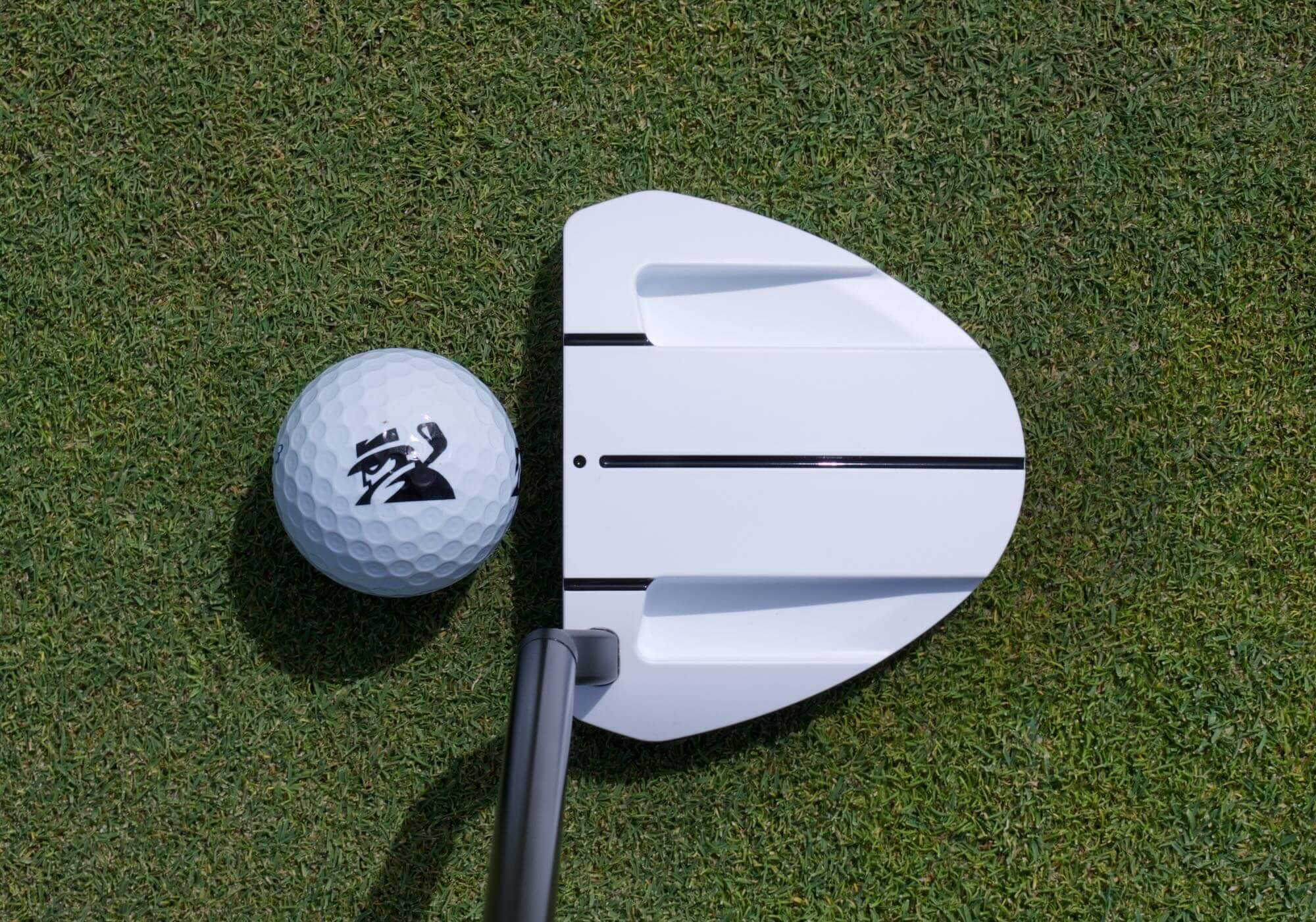
PING manipulated the arc by bending the shaft at different locations relative to the head. The three arc versions of the Ketsch looked essentially the same but played differently. Naturally, they also fit different players.
Are you sensing a theme here?
To achieve the strong-arc performance, PING added their Anser-4 hosel to the Ketsch. The short bend of the slant hosel and its attachment to the heel end of the topline creates the deep toe-hang needed for strong-arc players.
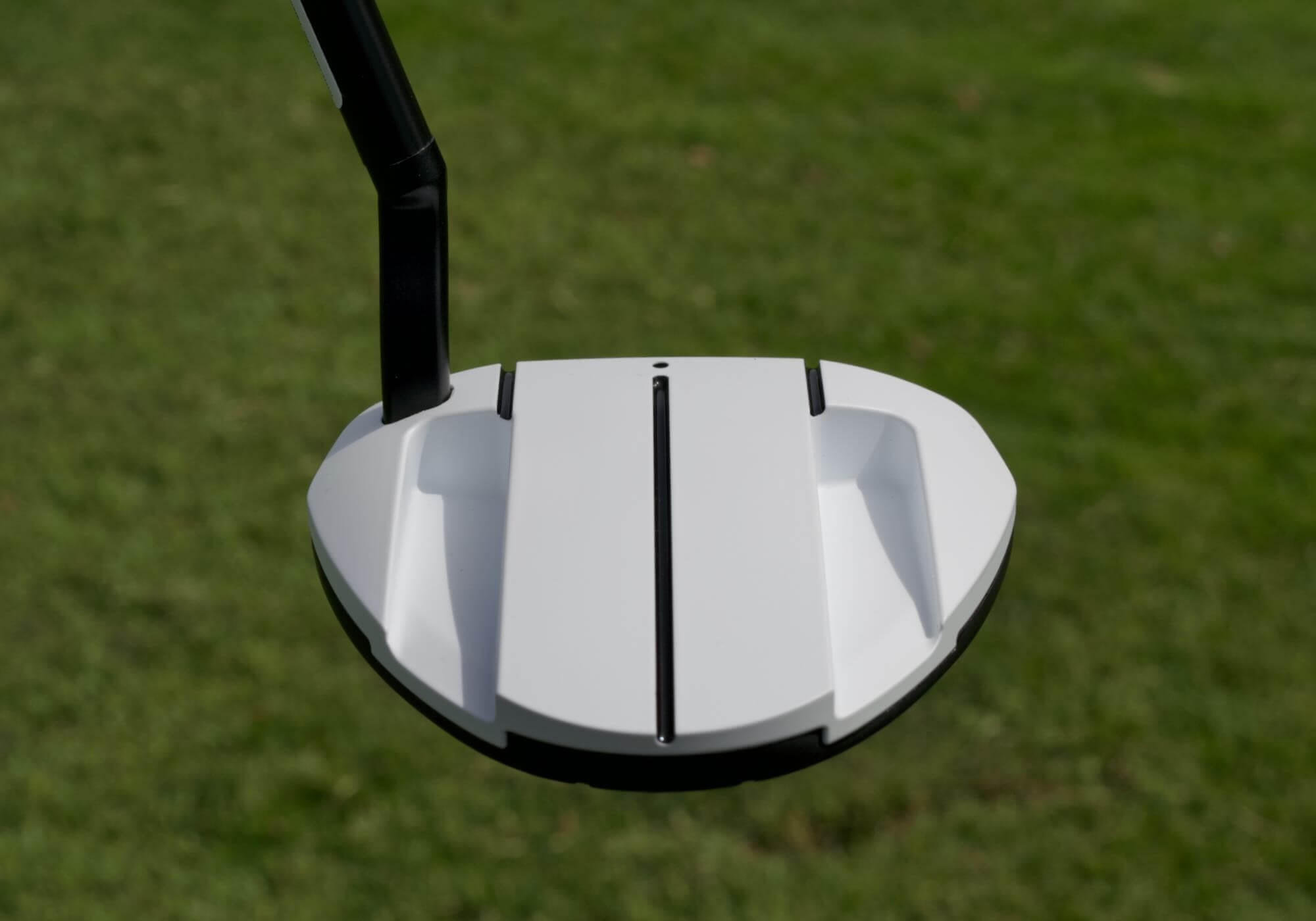
Another advantage of the two new hosels is that they can be adjusted for lie and loft. The lie angle of the Ally Blue H and Ketsch can be adjusted +/- four degrees from the stock 20 degrees. Face loft is adjustable from the three-degree stock plus-three and minus two-degrees.
Loft and lie with the Onset hosel versions were not adjustable.
Now more players can test PING’s Eye-Q
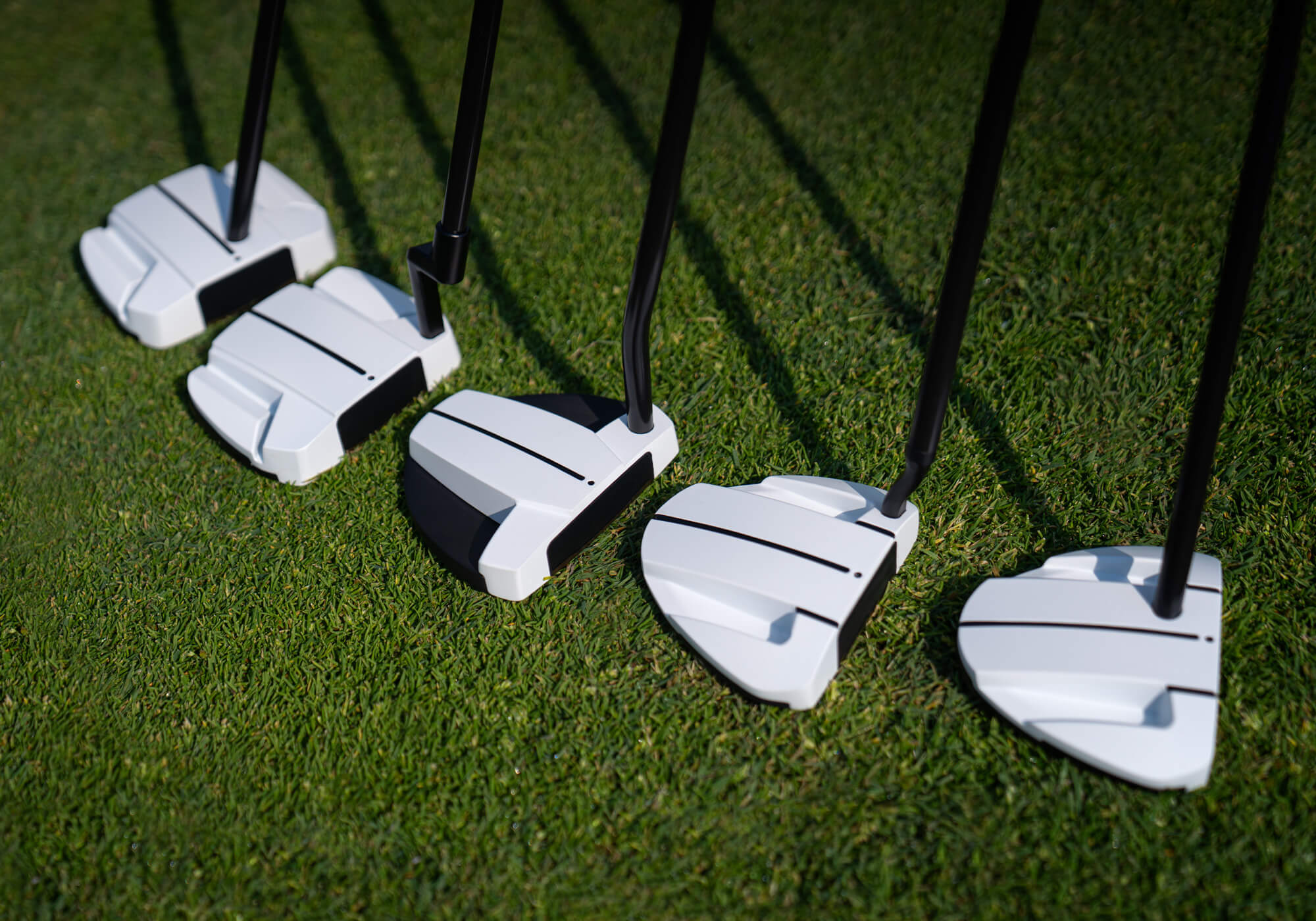
I don’t know if I can call the Scottsdale TEC putters the hottest of 2026 but they have definitely caught fire from the drop. Now that there are five models, even more players should be able to find a model that fits their stroke.
After finding the model that fits their stroke, they can see if the Eye-Q tech makes a difference in their putting.
Remember, too, that many of the models are available in counterbalanced builds and all are available in right-handed and left-handed.
The MSRP on the new PING Scottsdale TEC is $435 and they are in stores now.
For more information, head to PING.com.























 English (US) ·
  French (CA) ·
  French (FR) ·