

 1 week ago
15
1 week ago
15
PROTECT YOURSELF with Orgo-Life® QUANTUM TECHNOLOGY
Orgo-Life the new way to the future Advertising by Adpathway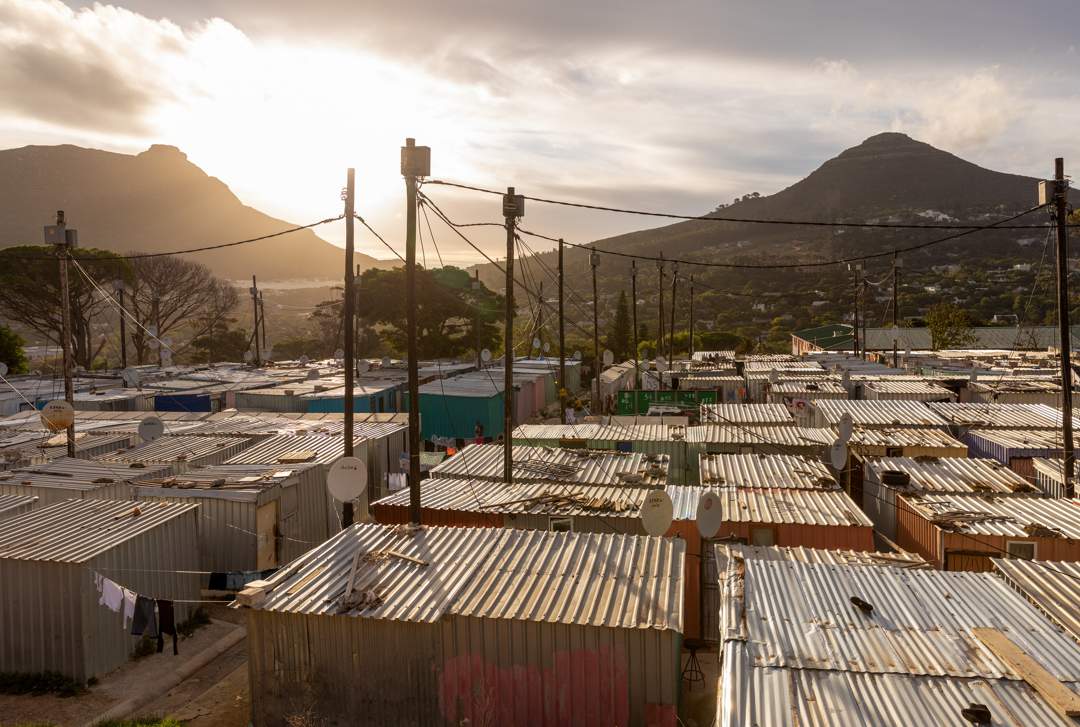
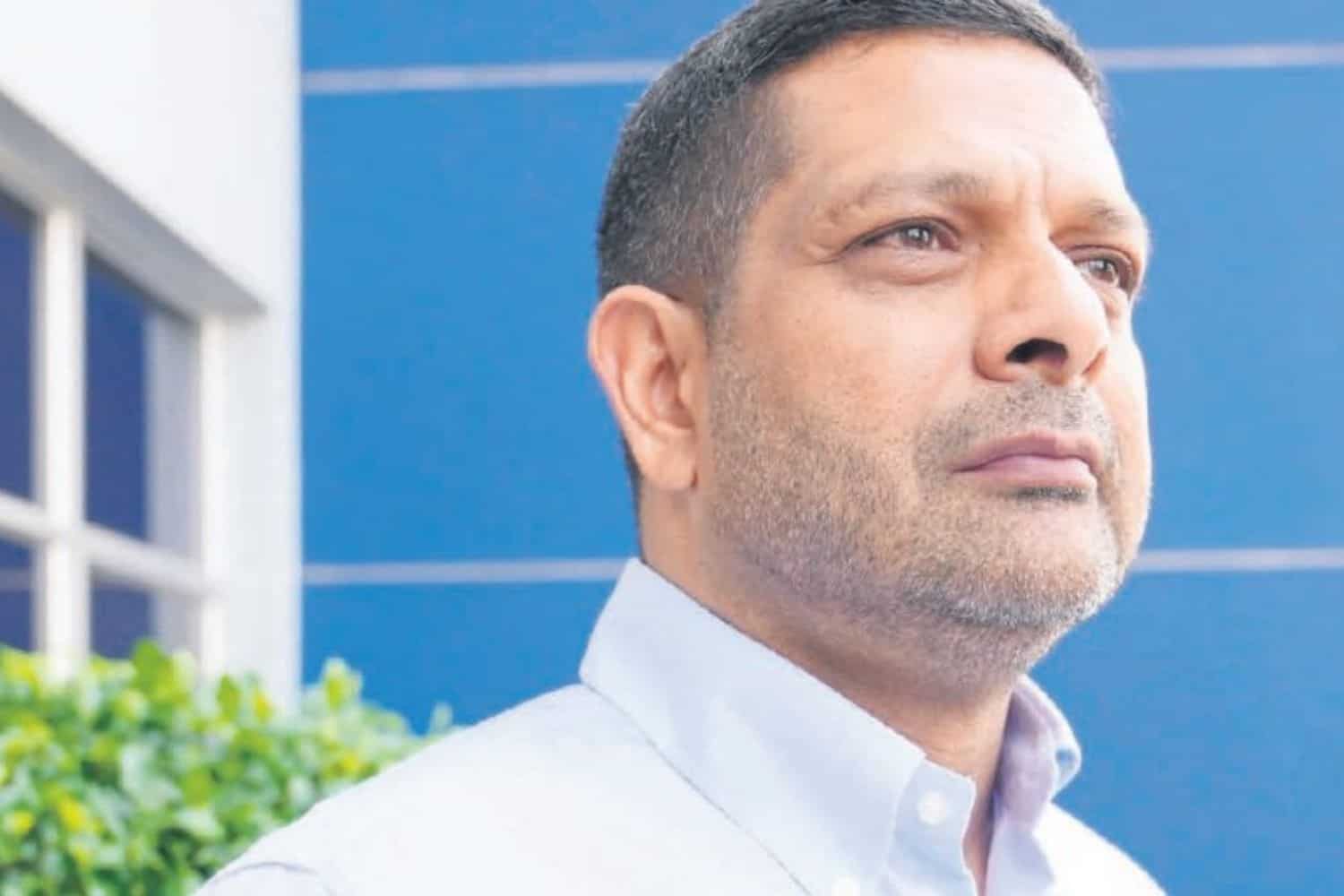
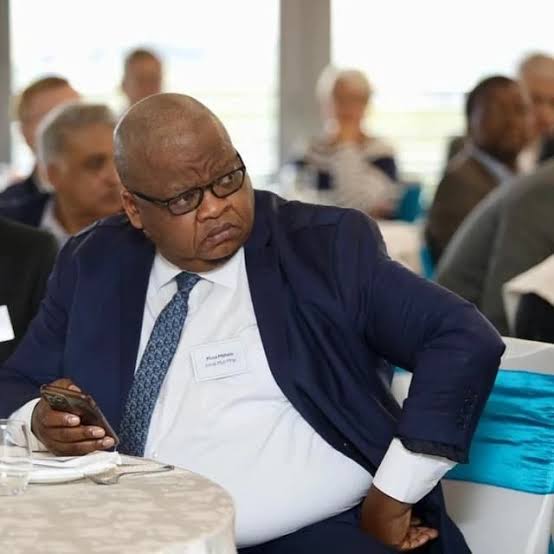
Junaid Munshi will take charge of Eskom Distribution from 1 June 2026.
Dwayne Senior/Bloomberg via Getty Images
- Eskom has appointed Junaid Munshi as group executive for distribution from 1 June 2026.
- The utility’s distribution business faces escalating municipal debt and restructuring pressure.
- Distribution unbundling remains tied to resolving billions of municipal arrears.
- For more climate change news and analysis, visit News24 Climate Future.
Eskom has announced that Junaid Munshi will take up the role of group executive for distribution, effective 1 June 2026.
He succeeds Agnes Mlambo, who served in the position after Monde Bala was seconded as interim CEO of the National Transmission Company South Africa (NTCSA).
The utility describes Munshi as “a seasoned executive with more than three decades of engineering, marketing and commercial leadership experience in the technology and telecommunications sectors across South Africa and multiple African markets,” adding that “his leadership approach is characterised by a strong focus on customer-centric business models, innovation, digital services, and the development of high-performing teams, underpinned by a purpose-driven and results-oriented mindset”.
Eskom’s distribution division is responsible for routing electricity from the national transmission grid to end users. It serves as the final link in the power supply chain, managing regional power lines, local substations, and household meters.
The National Energy Regulator of South Africa allocates distribution licences to electricity distributors, including Eskom Distribution. Municipalities also manage their own distribution, taking bulk services from Eskom, for which the utility is meant to be paid. However, over multiple years, several municipalities have either short-paid or failed to pay at all, leading to a municipal debt crisis at Eskom that executives have said threatens the utility’s ongoing turnaround.
It is in this context that Munshi will take up his post, assuming responsibility for the escalating municipal debt owed to Eskom, which remains a brake on the unbundling of the distribution division and a key focus for the utility more generally.
Eskom said on 6 May that total municipal debt now exceeds R111 billion.
News24 previously reported that the utility’s revised unbundling strategy envisages separate subsidiaries for generation, transmission and distribution, alongside a newer renewable energy-focused business called Eskom Green.
The transmission business, through the establishment of the NTCSA, is the furthest advanced in Eskom’s unbundling process.
“The unbundling of the distribution business will not happen unless we can solve the municipal debt,” Eskom group CEO Dan Marokane said in November. They aim to complete the unbundling process by 2030.
The severity of the municipal debt crisis became most evident earlier this month, when Eskom issued a notice of its intention to reduce, interrupt or terminate electricity supply to certain bulk supply points serving the City of Johannesburg and City Power due to arrears that have ballooned to R5.2 billion.
The notice followed what Eskom described as the City and City Power’s “continued failure to honour its electricity supply agreement with Eskom, including repeated defaults”.
Munshi’s appointment also comes as Eskom adapts to a more competitive electricity market shaped by private generation, wheeling agreements, and broader reforms intended to liberalise the sector.
Marokane acknowledges this saying: “In the reformed, liberalised marketplace, we recognise that we are no longer a monopoly and need to compete to retain and expand our customer base, and we are making the necessary investments to empower our distribution division teams to do so.”















 English (US) ·
  French (CA) ·
  French (FR) ·