

 2 months ago
67
2 months ago
67
PROTECT YOURSELF with Orgo-Life® QUANTUM TECHNOLOGY
Orgo-Life the new way to the future Advertising by Adpathway2 min readNew DelhiJun 27, 2026 05:31 AM IST
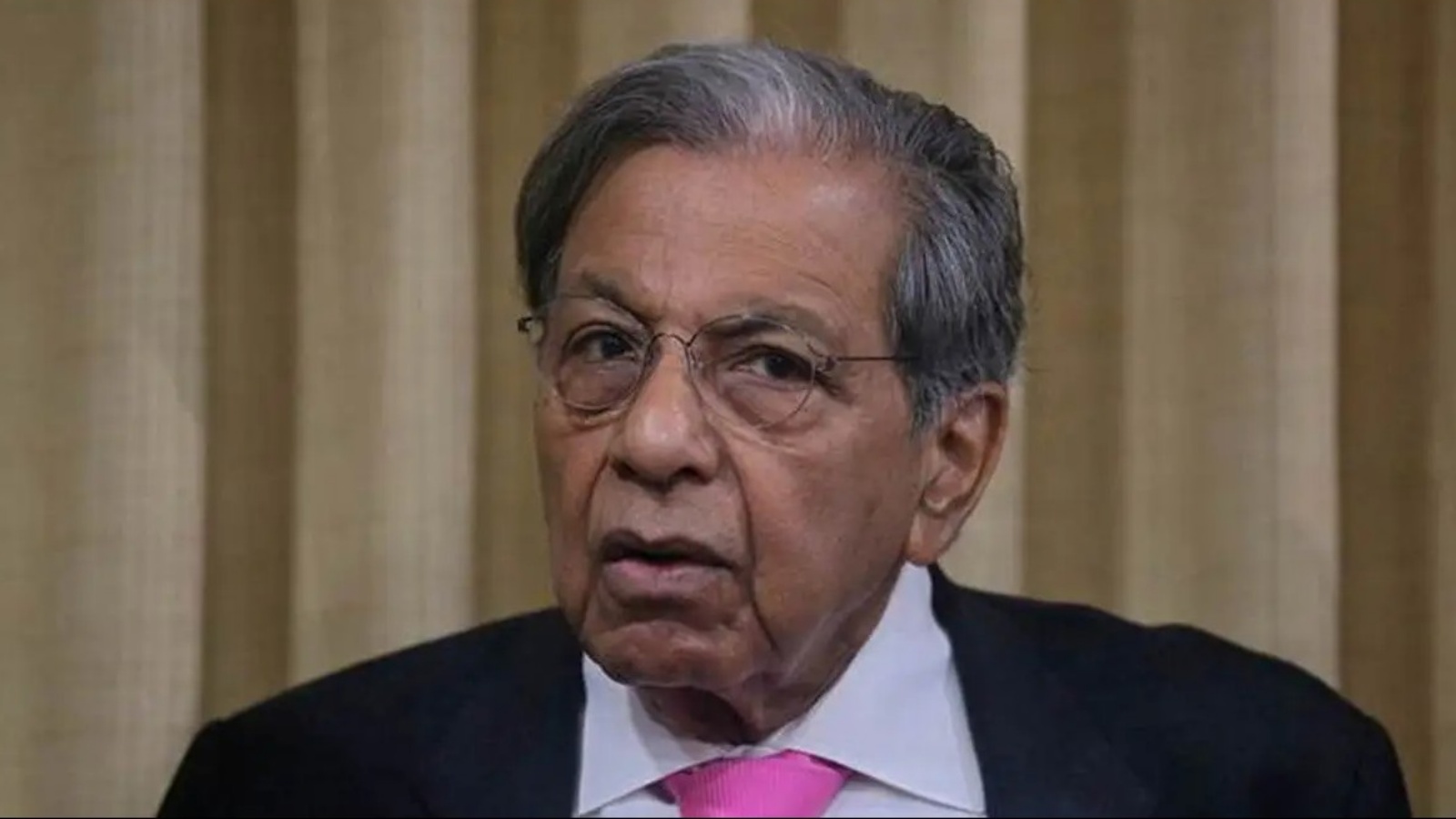 Speaking at a public panel discussion following the inaugural meeting, Singh said that while global clean energy investment had reached historic levels, capital remained unevenly distributed across regions.
The green transition board, announced at the Raisina Dialogue earlier this year, held its inaugural meeting at the London School of Economics (LSE) on Friday. The Board is tasked to make recommendations on climate finance, multilateral development bank (MDB) reforms and India’s transition towards 2,500 GW of clean energy by 2047 and net-zero emissions by 2070.
The Board, chaired by former Finance Commission chairman N K Singh, began its work during London Climate Action Week 2026, with members stressing that the global climate agenda has moved beyond setting targets to mobilising investment and ensuring implementation.
“The global climate debate has moved from targets to delivery. The central challenge now is to mobilise capital at speed and scale, especially for emerging and developing economies, where the next wave of energy demand, urbanisation and infrastructure creation will occur,” Singh said, according to an official statement issued after the meeting.
The Board, whose secretariat is housed at the Observer Research Foundation (ORF) Middle East, has been constituted as a policy platform to guide an “accelerated, orderly and inclusive green transition”. While its immediate focus is India, its recommendations are also intended to inform green transition pathways across emerging markets and developing economies.
According to the statement, the Board’s work will focus on reforming MDBs, mobilising private capital, strengthening climate finance mechanisms and addressing barriers to technology transfer. It will also examine how public resources can be deployed more effectively to de-risk private investment and convert climate finance commitments into bankable projects.
Speaking at a public panel discussion following the inaugural meeting, Singh said that while global clean energy investment had reached historic levels, capital remained unevenly distributed across regions.
“The next bottleneck lies in systems integration — financing, transmitting, storing and distributing clean power through stronger grids, supply chains and institutions,” he said.
Story continues below this ad
The discussion also featured COP30 president André Corrêa do Lago, President Emeritus of the Center for Global Development Masood Ahmed, the UK’s Special Representative for Climate Rachel Kyte, and Lord Nicholas Stern of the Grantham Research Institute at LSE.










 English (US) ·
  French (CA) ·
  French (FR) ·