

 6 hours ago
5
6 hours ago
5
PROTECT YOURSELF with Orgo-Life® QUANTUM TECHNOLOGY
Orgo-Life the new way to the future Advertising by AdpathwayJAMAICA · POLITICS
Key Facts
- —What happened A Jamaican delegation in the United Kingdom said it would file a petition to King Charles III.
- —What it asks The petition asks the King to refer three legal questions on slavery to the Privy Council.
- —The legal route It uses section four of the Judicial Committee Act of 1833, which allows an advisory referral.
- —Who is bringing it The Attorney General of Jamaica is filing on behalf of the Jamaican people.
- —The catch An advisory opinion is not a damages award, and the King is not obliged to make the referral.
- —Regional backing CARICOM states expressed broad support for Jamaica taking this step.
This is not a damages claim. It is a request for the King to ask his own court whether slavery in Jamaica was ever lawful.
One-stop reference
Company Intelligence
Every listed company in Latin America — financials, ownership and structure for 1,450+ companies across 26 exchanges, in one place.
Jamaica is taking its Jamaica reparations campaign into a courtroom, or trying to. A delegation in the United Kingdom said today it would file a petition addressed to King Charles III.
The petition asks him to refer three legal questions to the Judicial Committee of the Privy Council. It does not ask for money.
That distinction is the whole design. Jamaica wants a legal finding first and a negotiation second.
The Attorney General is filing on behalf of the Jamaican people. This is a state action, not a campaign by a private group.
The Legal Route
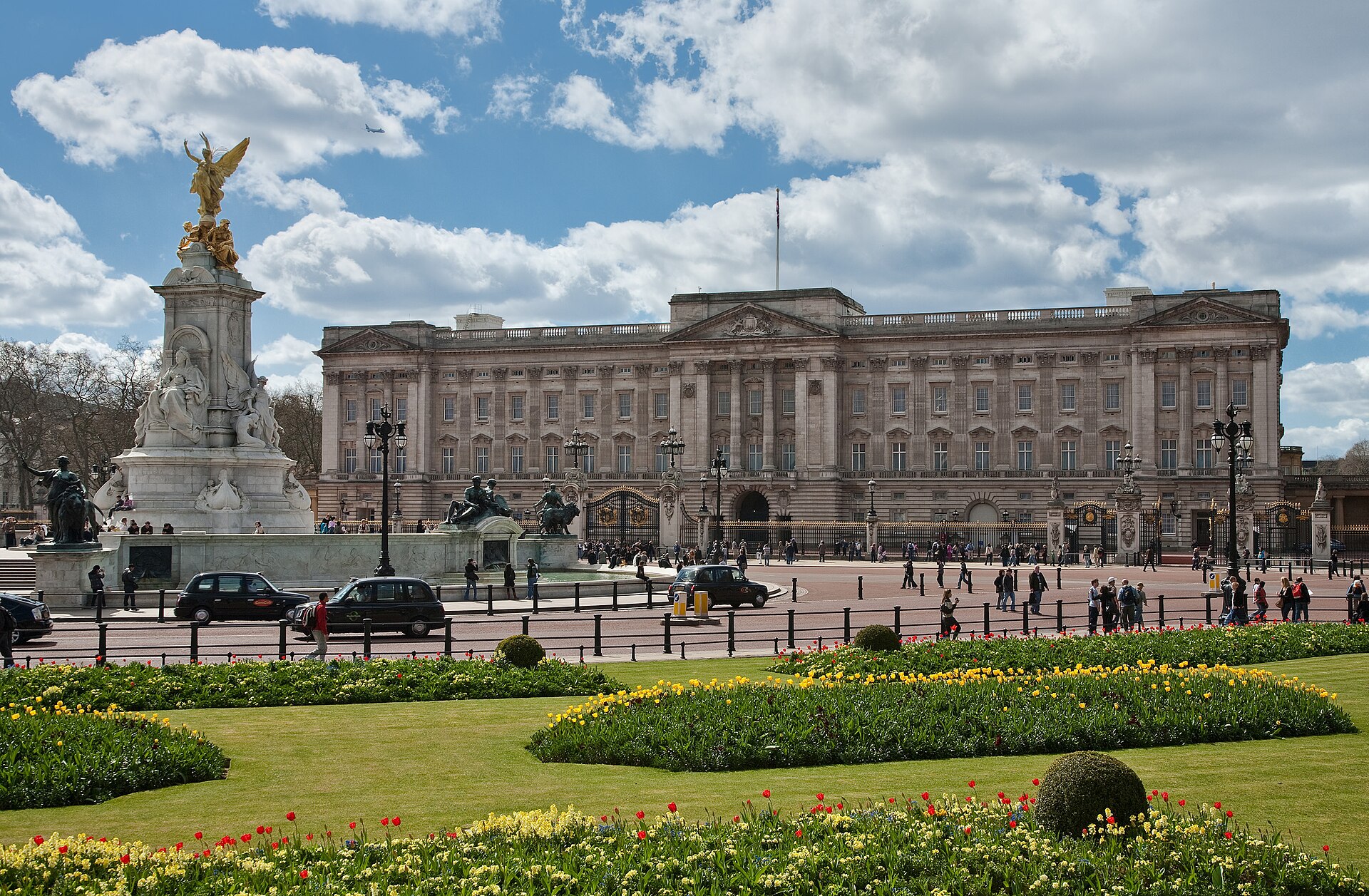
Section four of the Judicial Committee Act of 1833 gives the monarch a discretionary power. He may put before the Privy Council any matter of constitutional importance that local courts cannot hear.
The result would be an advisory opinion rather than a judgment. Nobody is sued and no damages follow directly.
Jamaica argues that no domestic court can rule on acts committed under imperial authority. The Privy Council, still Jamaica’s final court of appeal, is the forum that can.
The timing carries its own irony. Jamaica has debated leaving the Privy Council for years, and is now using it.
The Three Questions
The first asks whether the forced transport of African people to Jamaica and their enslavement until 1833 were lawful under English law. Jamaica argues local slave laws were void as repugnant to fundamental common law principles.
The second asks whether that transport and enslavement, up to 1838, amounted to crimes against humanity under international law. It asks whether the United Kingdom bears responsibility.
The third follows from the other two. It asks whether the United Kingdom is obliged to provide a remedy to the Jamaican people.
Each question is framed as law rather than history. That is deliberate, because a court cannot rule on a moral claim.
How It Got Here
Culture minister Olivia Grange announced the intention at the Seville Emancipation Jubilee in St Ann. The Jamaica Information Service published the details.
CARICOM member states expressed broad support at a regional meeting. That gives the Jamaica reparations case standing beyond one government.
The matter then passed to the Attorney General for filing. That is the step being completed now.
The Figure in Circulation
A sum of about US$10 billion has been widely attached to the Jamaica reparations claim. It is a government estimate of historic harm.
It is not a number in this petition. The petition asks legal questions and names no amount.
Conflating the two makes the story easier to tell and harder to defend. The Rio Times separates them here.
What London Has Said
Successive British governments have expressed regret for slavery without accepting a legal obligation to pay. That position has held across parties.
The referral power belongs to the King acting on ministerial advice. In practice that means the British government decides whether the questions reach the court.
So the petition tests political will as much as law. A refusal to refer would itself be an answer.
What to Watch
The first marker is whether the petition is formally received. Filing and acceptance are separate events.
The second is any statement from the UK government on the referral. Silence would be the most likely first response.
The third is whether other CARICOM states file parallel petitions. Jamaica going first makes the second one easier.
More: Caribbean news in English, every day from The Rio Times.
Frequently Asked Questions
What is Jamaica actually asking for?
Jamaica is asking King Charles III to refer three legal questions on the lawfulness of slavery, crimes against humanity and remedy to the Judicial Committee of the Privy Council. It is a request for an advisory opinion, not a damages claim.
What legal power does the petition use?
Section four of the Judicial Committee Act of 1833, which gives the monarch discretionary power to place before the Privy Council any matter of constitutional importance that local courts cannot hear.
Is Jamaica claiming US$10 billion?
A figure of about US$10 billion has been attached to Jamaica’s reparations campaign as a government estimate of historic harm. It is not an amount named in this petition, which asks legal questions rather than for money.
Sources: Jamaica Information Service, Caribbean Media Corporation, CARICOM Secretariat, Judicial Committee Act 1833, Rio Times.














 English (US) ·
  French (CA) ·
  French (FR) ·