

 10 hours ago
7
10 hours ago
7
PROTECT YOURSELF with Orgo-Life® QUANTUM TECHNOLOGY
Orgo-Life the new way to the future Advertising by AdpathwayCUBA · MIGRATION
Key Facts
- —What happened US Immigration and Customs Enforcement (ICE) has replaced large raids with quick, low-profile arrests, Periódico Cubano reported on 29 September 2026.
- —The Cuban figure Arrests of Cubans rose 463% between late 2024 and early 2026, from fewer than 200 a month to more than 1,000.
- —Who is exposed More than 42,000 Cubans in the United States hold final deportation orders, Periódico Cubano reported, citing The Guardian.
- —The brake Removals have stayed near 1,200 people a day, held back by a lack of flights and limits set by receiving countries.
- —The court backdrop On 29 September 2026 the US Supreme Court let deportations to third countries resume until it hears the case in December.
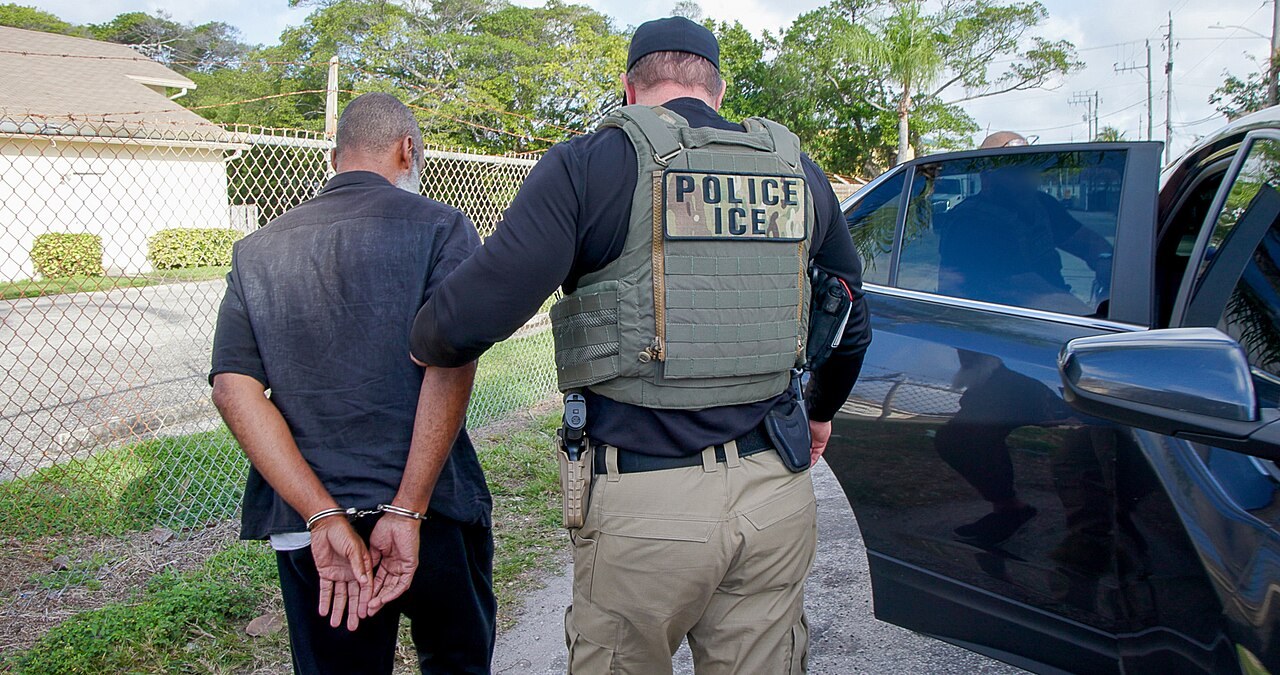
ICE arrests of Cubans have multiplied as US agents trade armoured raids for 90-second street arrests and deals with local police.
Free daily brief — no card needed
Get every Cuba story in one morning email
We build you a personalized brief around the topics you follow — free for 7 days. Love it? Your first month after that is US$1.
Yes, email me my free daily brief — I can unsubscribe any time.
One-stop reference
Company Intelligence
Every listed company in Latin America — financials, ownership and structure for 1,450+ companies across 26 exchanges, in one place.
ICE arrests of Cubans in the US rose 463% between late 2024 and early 2026, as agents turned to quieter, faster methods. More than 42,000 Cubans now hold final deportation orders, the Cuban news site Periódico Cubano reported on 29 September 2026.
From armoured raids to 90-second arrests
ICE, the US agency that detains and deports migrants, changed course after its 2025 raids drew political criticism. Those operations used armoured vehicles in residential areas and patrols in public spaces.
In February, President Donald Trump said, “I learned that maybe we could use a little bit of a softer touch”. In March, Homeland Security Secretary Markwayne Mullin told senators he wanted the department out of the daily headlines within six months.
The volume of arrests did not fall with the noise. Arrests now happen as people leave home, wait for a school bus, buy fuel or drive to work, Periódico Cubano reported.
“The detentions are happening in a flash,” said Gracie Willis, a rapid-response lawyer with the National Immigration Project. She put the time from ICE’s arrival to the car leaving at about 90 seconds.
Local police join the effort
A key tool is the 287(g) programme, named after a section of US immigration law. It lets state and local police carry out some immigration duties for ICE.
By 15 September, ICE had signed more than 2,500 such agreements. In July, local and state forces took part in 13% of ICE-linked arrests, against under 5% a year earlier.
Willis describes an enforcement made invisible, with agents in unmarked cars, behind masks and inside local police departments. She says the programme multiplies ICE’s reach far beyond its own officers.
The Department of Homeland Security now has more than 22,000 officers and staff. Congress approved US$75 billion in extra funding for its operations.
Why Cubans are among the most exposed
The 463% rise in arrests of Cubans first appeared in an April study by the Cato Institute, a Washington think tank. It found monthly arrests went from under 200 in late 2024 to over 1,000 by early 2026.
Periódico Cubano reported that more than 42,000 Cuban citizens have final deportation orders pending in the United States. A final order means the immigration courts have finished with the case.
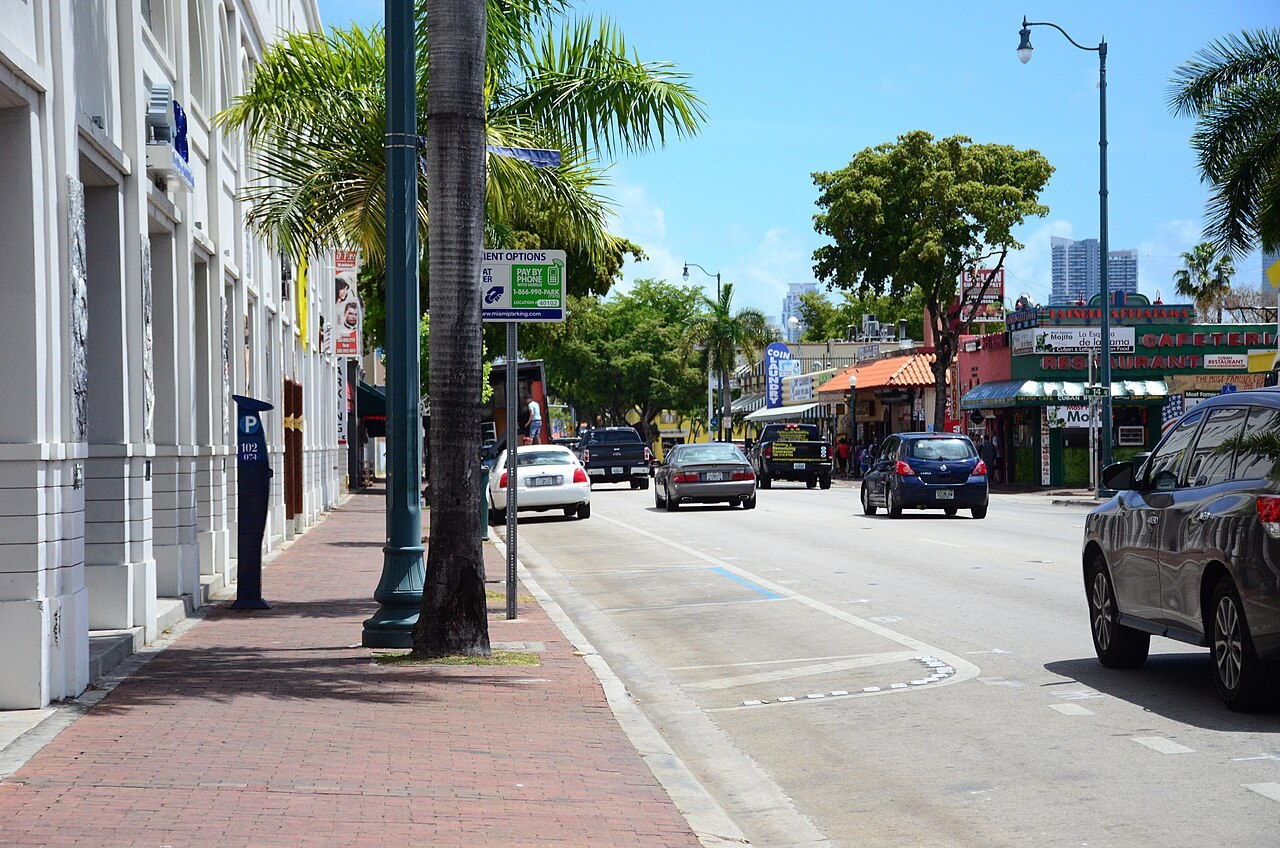
One Cuban resident of Miami was detained outside his own home during everyday errands. The profile of detainees has also changed: in July, fewer than a quarter had criminal records.
In December 2024, that share had been almost 60%, Periódico Cubano reported. The widening net therefore reaches many people with no criminal past.
The brake on deportations
More arrests have not produced the same rise in deportations. Removals have stayed at about 1,200 people a day, even though August saw more arrests than earlier months.
Periódico Cubano named three limits: logistics, a shortage of available flights and restrictions set by some receiving countries. For Cubans, the receiving country is often not Cuba itself.

The Supreme Court backdrop
On 29 September 2026 the US Supreme Court paused a Boston ruling that required notice before deportation to a third country. A third country is one that is not the migrant’s own.
The case, D.V.D. v. Department of Homeland Security, carries the initials of its lead plaintiff, a Cuban man ordered removed in 2017. He fears being sent to a country where he would lose access to psychiatric treatment, his lawyers told the court.
Three of the nine justices said they would have refused the government’s request. The full case will be heard in December 2026.
Until then, the government can apply its own, shorter notice rules for third-country removals. It has not said how many Cubans it plans to send to third countries.
Complaints of profiling and force
Immigration lawyer Kate Lincoln-Goldfinch said, “We are seeing a lot of racial profiling”. She cited Brian José Morales García, born in Denver, who was deported to Mexico although he says he is a US citizen.
On 20 September an ICE agent shot Wilber Rafael Garcés Pérez, a Venezuelan delivery worker, in Austin, Texas. Four days later a Guatemalan man died in a road crash in Grand Rapids, Michigan, while fleeing federal agents.
What it means for Cuban families
For Cubans in the United States, the risk now sits less in large raids than in ordinary daily routines. Families with a relative under a final order face the greatest uncertainty.
ICE has not published a breakdown of how many arrested Cubans have since been deported. The December hearing will shape where those removals can lead.
More: Cuba news, every day from The Rio Times.
Frequently Asked Questions
How much have ICE arrests of Cubans increased?
Arrests of Cubans rose 463% between late 2024 and early 2026, from under 200 a month to over 1,000, according to a Cato Institute study cited by Cuban media. Periódico Cubano repeated the figure on 29 September 2026, citing The Guardian.
What is a 287(g) agreement?
It is a section 287(g) deal under US immigration law, letting state and local police perform some immigration duties for ICE. By 15 September 2026, ICE had signed more than 2,500 of them.
Are deportations rising as fast as arrests?
No. Removals have stayed near 1,200 people a day, Periódico Cubano reported. Logistics, a lack of flights and limits set by receiving countries hold them back.
\n
What is the background to ICE Arrests Of Cubans?
\n
On 29 September 2026 the US Supreme Court let deportations to third countries resume until it hears the case in December.
\n
Sources: Periódico Cubano · Supreme Court of the United States – Order List, 29 September 2026 · Supreme Court of the United States – Respondents’ opposition, No. 26A406


















 English (US) ·
  French (CA) ·
  French (FR) ·