

 2 months ago
83
2 months ago
83
PROTECT YOURSELF with Orgo-Life® QUANTUM TECHNOLOGY
Orgo-Life the new way to the future Advertising by AdpathwaySport · Markets
Key Facts
—The source. A joint report from FIFA and the World Trade Organization estimates the tournament’s worldwide impact.
—Gross output. The event is projected to generate about $80 billion in global gross output.
—Added value. Its contribution to global GDP is put near $40.9 billion.
—Wages. The report estimates around $20.8 billion in labour income worldwide.
—The lion’s share. The United States captures roughly 38 to 42 percent of the gains as the main host.
—The format. This is the first World Cup shared by three countries, the United States, Mexico and Canada.
The 2026 World Cup economic impact has now been put in hard numbers, and the headline figure is enormous: roughly 80 billion dollars in output flowing through the global economy.
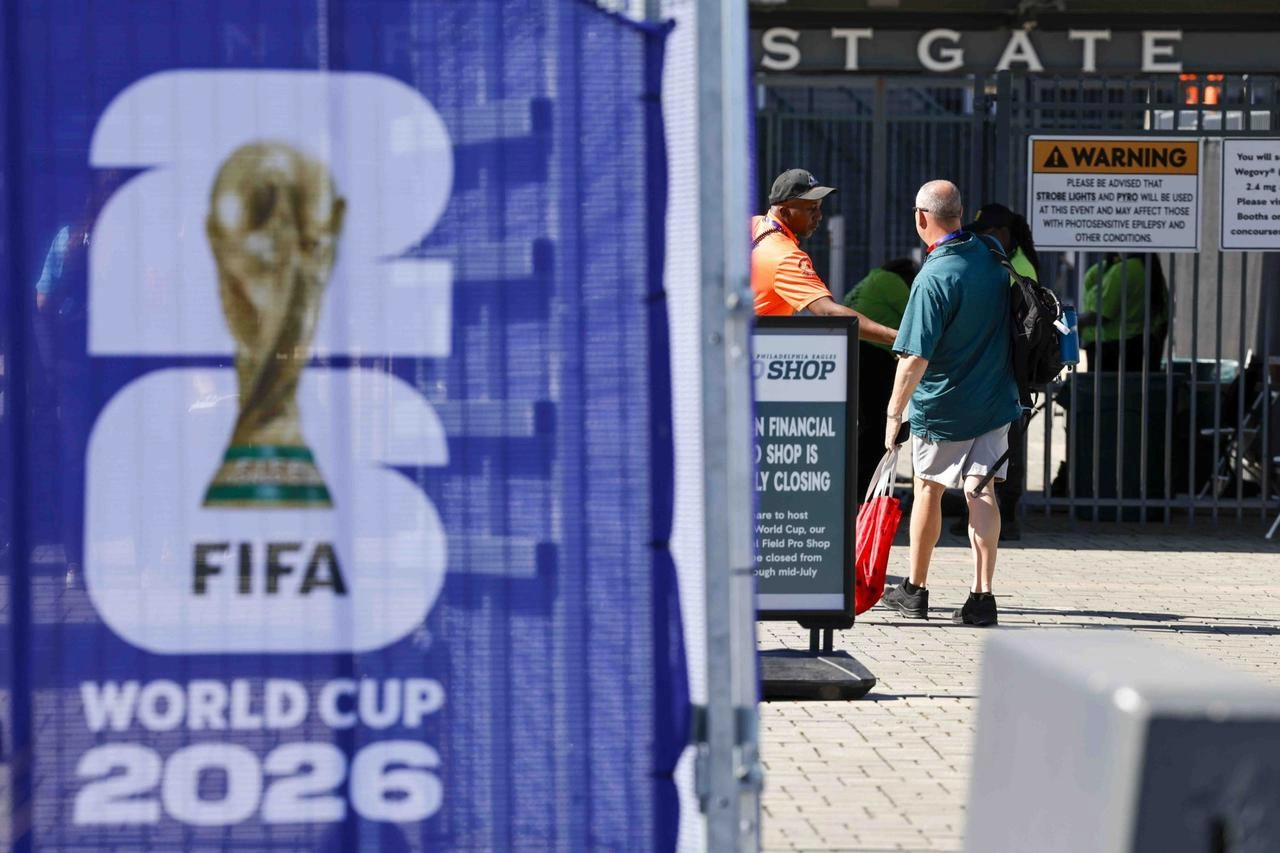
A World Cup is a football tournament, but it is also a vast burst of economic activity. For the 2026 edition, the organisers have tried to measure exactly how big that burst will be.
The estimate comes from a joint report by FIFA, football’s governing body, and the World Trade Organization, the global body that oversees trade rules. The headline is striking.
The two organisations reckon the tournament will generate around eighty billion dollars in gross output worldwide. That figure is the total value of all the goods and services the event sets in motion.
A second measure tells the story more carefully. The contribution to global GDP, which strips out double-counting along the supply chain, is put at close to forty-one billion dollars.
What the World Cup economic impact figures actually mean
The two big numbers measure different things, and the gap between them matters. Gross output adds up every transaction, so the same dollar can be counted several times as it passes from one business to the next.
Gross domestic product is the cleaner gauge. It captures only the new value created at each step, which is why the GDP figure is roughly half the output number.
The report adds a third figure for wages. It estimates the tournament will create around twenty-one billion dollars in labour income, the money that actually reaches workers as pay.
According to the analysis, the sectors that gain most are hotels and restaurants, followed by property and retail. These are the businesses that soak up the spending of travelling fans.
The report traces how that spending spreads. Money paid for a hotel room flows on to laundries, food suppliers and cleaners, so the initial outlay multiplies as it moves through the chain.
That ripple is the reason a sporting event can register in national accounts at all. The figures try to capture not just tickets and shirts but the wider trail of business they set off.
Why the United States takes most of the prize
The gains are not shared evenly across the three hosts. The United States captures the largest slice, somewhere between thirty-eight and forty-two percent depending on the measure.
The reason is simple arithmetic. This is the first World Cup split across three nations, and of the one hundred and four matches the great majority are played on American soil.
Mexico and Canada host far fewer games and therefore collect a smaller share. Each has been given a more modest economic boost, concentrated around its handful of host cities.
For a reader abroad, the split is a useful corrective. The tournament’s glow is global, but the money tends to pool wherever the stadiums and the visiting crowds actually are.
For Latin America, that lesson lands close to home. Mexico is the only regional host, and early signs there, from soft hotel bookings to cautious official estimates, suggest the windfall may prove more modest than hoped.
A number worth treating with care
Economists have long urged caution with these grand projections. Studies of past World Cups and Olympic Games often find the real, lasting boost is smaller than the pre-tournament headlines promise.
Much of the spending is simply shifted in time or place rather than newly created, and some of it leaks abroad. The honest reading is that the impact is real and large, but not quite the windfall the biggest figures suggest.
Still, the scale is hard to dismiss. Even the more conservative GDP figure would rank the tournament among the largest single sporting events ever measured in this way.
Frequently Asked Questions
What is the 2026 World Cup economic impact?
A joint FIFA and World Trade Organization report estimates the tournament will generate around eighty billion dollars in global gross output. Its contribution to global GDP is put near forty-one billion dollars.
Which country benefits most?
The United States captures the largest share, roughly thirty-eight to forty-two percent, because it hosts most of the matches. Mexico and Canada host far fewer games and receive a smaller boost.
Are these figures reliable?
They are useful estimates rather than firm outcomes. Economists note that past tournaments often delivered smaller lasting gains than headline projections, since much spending is shifted rather than newly created.
The Rio Times · Power Map
See who really holds power in Latin America
Click to open the Power Map →










![New Japanese convenience store rice balls taste like instant noodles [Taste test]](https://soranews24.com/wp-content/uploads/sites/3/2026/09/0_c8e809.jpg?w=1200&h=630&crop=1)





 English (US) ·
  French (CA) ·
  French (FR) ·