

PROTECT YOURSELF with Orgo-Life® QUANTUM TECHNOLOGY
Orgo-Life the new way to the future Advertising by AdpathwayThere is a bag of fresh chestnuts from the market that was meant for roasting last weekend, or a tray of leftover roasted ones from the holiday table. Do chestnuts go bad? They do, and faster than most nuts. Here is what extension guides and USDA say about chestnut shelf life, mold and storage.
Do chestnuts go bad?
The Short Answer
Yes, and faster than other nuts. UC describes chestnuts as perishable, high-starch, low-fat foods more like potatoes or apples than tree nuts. UC says they usually mold within 2 weeks at room temperature above 50°F. Published refrigerator times for fresh in-shell chestnuts range from a couple of weeks to 3 months, and sources disagree, so we plan on about 2 weeks. UC lists a year or more in the freezer and Oregon State lists 1 year, though Michigan State cautions against freezing fresh chestnuts. Cooked, peeled chestnuts keep about 3 to 4 days in the refrigerator. These are quality estimates, not a promise of safety. Discard chestnuts with mold, blue streaks, a sour smell or a slimy feel.
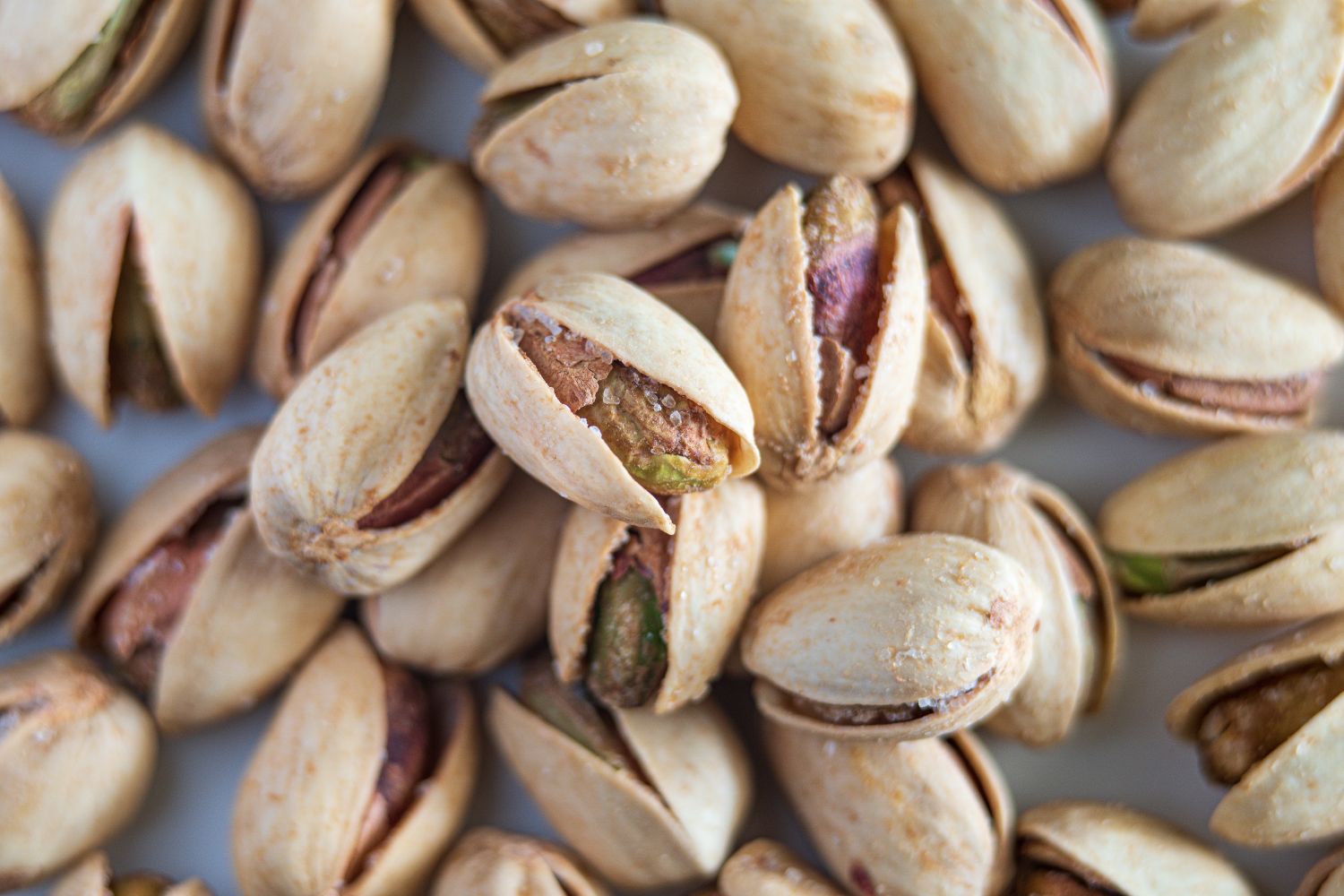
For a complete pantry and fridge reference, see our Food Storage Guide. For other nuts, see whether almonds, pecans, pistachios, walnuts, peanuts and cashews go bad.
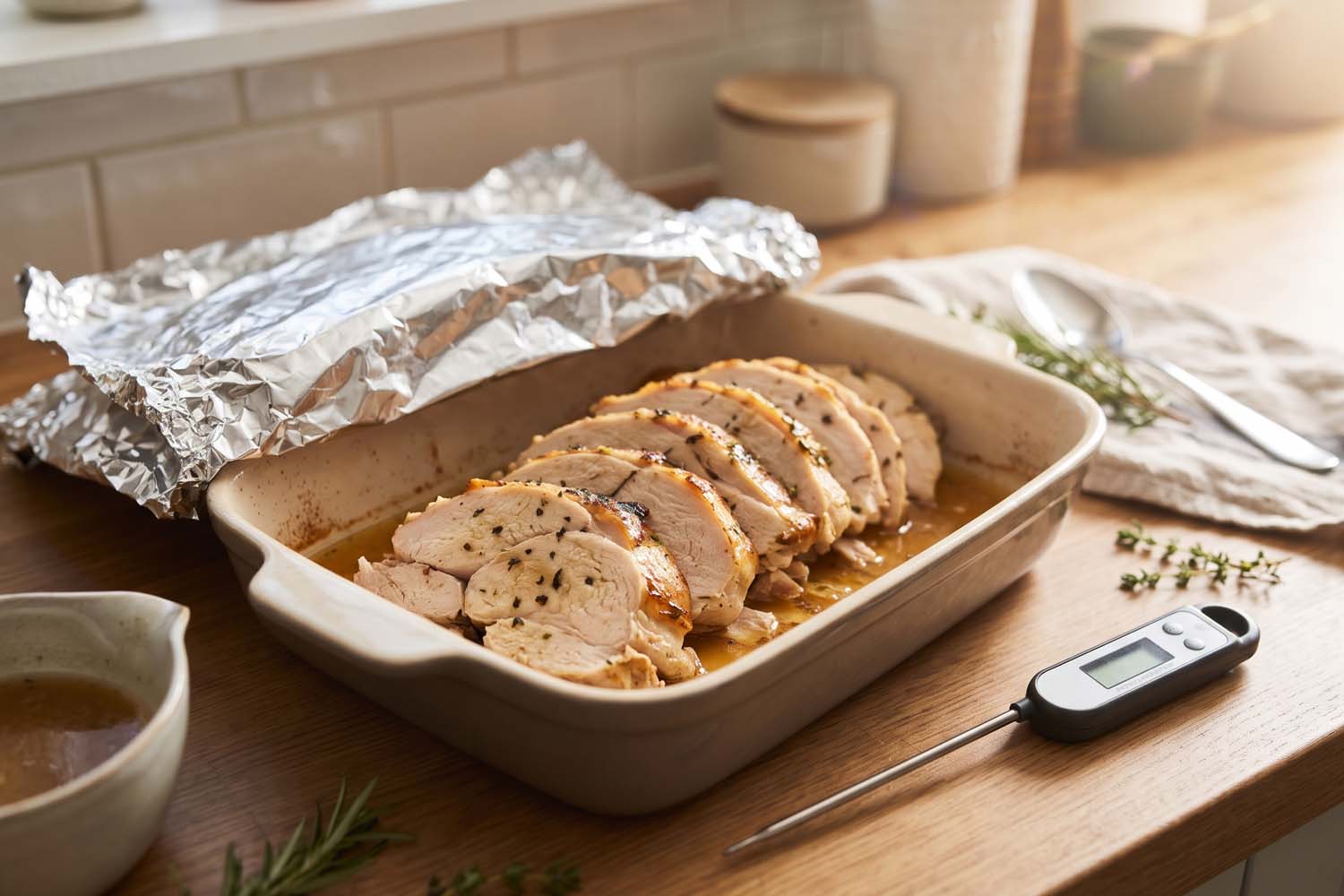
Planning the rest of the holiday table? See how long cooked turkey lasts in the fridge, and whether gravy, pumpkin pie and eggnog go bad.
📋 Chestnuts: At a Glance
| Room temperature | Usually molds within 2 weeks above 50°F (UC and Oregon State) |
| Refrigerator, fresh in-shell | Sources range from a couple of weeks (Missouri) to 1 month (UC text) and 2 to 3 months (UC table). We’d plan on about 2 weeks |
| Refrigerator, scored and uncooked | About 1 week (University of Missouri Center for Agroforestry) |
| Freezer (0°F or colder), in-shell | UC: a year or more. Oregon State: 1 year. Michigan State advises keeping fresh chestnuts cold without freezing them |
| Cooked, peeled chestnuts | About 4 days refrigerated (Missouri). USDA lists 3 to 4 days for leftovers |
| Moldy or streaked chestnuts | Discard them. USDA’s mold page lists nuts in general under “Discard” |
| “Best by” date | A quality date, not a safety date, per USDA |
| Best storage | Cold, ventilated and checked often |
Key Takeaways
- UC says guidelines for storing chestnuts are different from those for other nuts, because chestnuts lose moisture quickly and mold at room temperature.
- UC’s own guide disagrees with itself on in-shell chestnuts. Its text says 1 month in the refrigerator and its table says 2 to 3 months, so we show both.
- The University of Missouri Center for Agroforestry says refrigerated chestnuts are best within a couple of weeks, and cooked, peeled ones keep about 4 days.
- Illinois Extension says to avoid chestnuts with blue streaking in the kernel, a vinegary smell or a slimy feel.
- Michigan State Extension says well-cured chestnuts last a few weeks in the refrigerator, and advises keeping fresh chestnuts cold without freezing them. UC lists a year or more frozen and Oregon State lists 1 year.
- USDA’s mold page lists nuts in general under “Discard” when moldy, and says not to sniff a moldy item.
- UC says harmful bacteria cannot be determined by sight, smell, taste or texture, so a normal look doesn’t prove a chestnut is safe.
Fresh, Cooked, Canned and Dried Chestnuts
This page is mainly about fresh, in-shell chestnuts, plus cooked ones. Dried chestnuts get a short section below. For canned, jarred or vacuum-packed chestnuts and for chestnut puree or spread, we found no university or agency storage times, so follow the label and refrigerate after opening if the label says so.
Do Chestnuts Go Bad?
Yes. UC Agriculture and Natural Resources’ consumer guide to nuts (Publication 8406, August 2010) says guidelines for storing chestnuts are different from those for other nuts. It says chestnuts are perishable, high-starch, low-fat foods more like potatoes or apples than tree nuts. They lose moisture quickly at room temperature, which makes the kernels dry and harden, and they usually mold within 2 weeks if stored above 50°F.
The sources disagree on how long fresh chestnuts last in the refrigerator, so the table shows each. We treat every figure as a quality estimate, which is our own reading.
If you gather your own, make sure they are true chestnuts. Illinois Extension says horse-chestnuts and buckeyes are unrelated to chestnuts and can be toxic. Oregon State says not to eat horse-chestnuts, which it calls poisonous, and describes their fruit capsules as leathery and sometimes spiny. Edible chestnut husks are covered in sharp, stiff bristles. We wouldn’t eat anything you can’t identify, which is our own suggestion.
Chestnuts also need scoring before cooking. Illinois Extension says the outer shell and pellicle must be pierced with a sharp serrated knife regardless of the cooking method, and to avoid cutting into the kernel.
| Room temperature, in-shell | Keep them out only until you cook them | UC and Oregon State: usually mold within 2 weeks, and the kernels dry and harden |
| Refrigerator, fresh in-shell, uncooked | About 2 weeks for best quality, as a planning figure. UC’s text gives 1 month, and its table gives 2 to 3 months | UC text: 1 month. UC table: 2 to 3 months. UC food blog (2020): 2 to 3 months. Oregon State: 2 months in its 2013 revision, 1 month in its 2002 revision. Missouri: best within a couple of weeks, though often stored longer. Michigan State: well-cured chestnuts last a few weeks. Illinois: within a few weeks |
| Refrigerator, scored and uncooked | About 1 week | Missouri: about a week |
| Freezer, in-shell | Up to 1 year at most, and use soon after thawing | UC and the UC food blog: a year or more. Oregon State: 1 year at 0°F. Missouri: freeze scored chestnuts. Michigan State: keep fresh chestnuts cold without freezing, and use frozen ones right after thawing |
| Cooked, peeled | 3 to 4 days in the refrigerator | Missouri: about 4 days refrigerated, or frozen. USDA leftovers: 3 to 4 days refrigerated and 3 to 4 months frozen |
| Dried | Follow the package | UC: stores longer than fresh but loses flavor and texture. Oregon State: up to a year refrigerated and up to 2 years frozen |
How Long Do Chestnuts Last at Room Temperature?
Not long. UC says chestnuts stored above 50°F usually mold within 2 weeks, and Oregon State says they lose moisture in the kernel and usually mold within 2 weeks. UC adds that chestnuts lose moisture quickly at room temperature and humidity, so the kernels dry and harden. Illinois Extension (November 2016) says the same, and that they become moldy.
That is a ceiling, not a target. We’d keep chestnuts on the counter only until you cook them, and refrigerate the rest the day you buy them.
How Long Do Chestnuts Last in the Refrigerator?
The answer depends on which source you read. UC’s text says you can store in-shell chestnuts for 1 month at 40°F or colder, while its table lists 2 to 3 months. A UC food blog post (November 2020) says unshelled chestnuts keep two to three months. Oregon State’s nut storage guide (revised October 2013) says fresh chestnuts in the shell will last 2 months in the refrigerator. An older copy of the same publication (revised September 2002), still hosted on Oregon State’s horticulture site, says 1 month.
The University of Missouri Center for Agroforestry is more cautious. Its chestnut handout (updated 2024) says refrigerated chestnuts are best consumed within a couple of weeks, and uncooked chestnuts are best within two weeks, though they can often be stored longer. Michigan State Extension (bulletin E3213, August 2014) says well-cured chestnuts can last a few weeks in the produce compartment. Illinois Extension says to use them within a few weeks. A second Missouri grower sheet says home chestnuts keep a couple of months in the crisper drawer.
We’d plan on about 2 weeks for best quality and roasting. UC’s text gives 1 month as a storage guideline, although its table lists 2 to 3 months. These are published estimates, not promises of safe storage, so inspect them often.
How Should You Store Fresh Chestnuts?
Cold, slightly moist and ventilated. UC says to keep in-shell nuts in a plastic bag or closed plastic container in the refrigerator, to hold moisture. Illinois Extension and Michigan State say a ventilated plastic bag, and Michigan State suggests holes made with a fork or knife. Missouri says a perforated, mesh or paper bag, which allows air circulation. These differ, so we’d use a loosely closed or perforated bag, which is our own suggestion.
Steps we would take:
- Refrigerate chestnuts the day you buy them.
- Keep them in a loosely closed or perforated bag, not sealed wet.
- Check them every few days for mold, sprouting and soft spots, as Missouri advises.
- Buy close to when you plan to cook them, as Illinois Extension suggests.
- Freeze what you won’t cook within about 2 weeks.
Oregon State says curing is not necessary for nuts that will be stored in the refrigerator. Michigan State describes curing as storing chestnuts just above freezing, at 32 to 40°F, for at least two weeks to make them sweeter.
Can You Freeze Chestnuts?
Sources disagree. UC says in-shell and shelled chestnuts keep a year or more at 0°F or colder, and Oregon State says 1 year at 0°F. Missouri suggests scoring chestnuts first, then freezing them in the shell in freezer-safe bags or containers.
Michigan State recommends keeping fresh chestnuts cold without letting them freeze. It says nuts that freeze below 28°F will be inedible within a day or two, and that frozen nuts should be used right after thawing. That passage is about fresh, uncured nuts, and it doesn’t say how long frozen ones keep.
Because of that conflict, we’d treat freezing as a way to save chestnuts you won’t cook in time, not a way to keep peak quality. We’d plan on 1 year at most and use them soon after thawing, which is our own suggestion.
Do Cooked or Roasted Chestnuts Go Bad?
Yes, and they need different handling. Missouri says cooked, peeled chestnuts can be kept in the refrigerator for about four days or frozen for later use. USDA’s leftovers page is the general rule for cooked food. It says to refrigerate within 2 hours, or within 1 hour above 90°F, and that leftovers can be kept in the refrigerator for 3 to 4 days or frozen for 3 to 4 months.
Both point to roughly 3 to 4 days in the refrigerator. We’d use that. USDA says to reheat leftovers to 165°F as measured with a food thermometer. Roasted chestnuts left out on the counter overnight should be discarded. For the rest of the holiday table, see how long leftovers last and how to reheat leftover turkey.
Do Canned, Jarred or Vacuum-Packed Chestnuts Go Bad?
Yes, eventually, but we found no university or agency source with chestnut-specific times for them. USDA says the phrase “Best if Used By” indicates when a product will be of best flavor or quality, and that except for infant formula, dates are not an indicator of safety. USDA’s shelf-stable food page says to discard heavily rusted or deeply dented cans, and not to use food from leaking or bulging ones.
After opening, we’d refrigerate any leftover and treat it like other cooked leftovers. If the label gives its own directions, follow those.
How Long Do Dried Chestnuts Last?
Longer than fresh ones, with a trade-off. UC says dried chestnuts store longer than fresh chestnuts but lose flavor and texture and will not roast properly. UC says shelled and dried chestnuts can be stored a year or more in the refrigerator or freezer. Oregon State says dried chestnuts keep eating quality up to a year in the refrigerator, and up to 2 years at 0°F.
To rehydrate dried chestnuts, UC says to soak them in cold water for 3 or 4 hours before use.
How Can You Tell if Chestnuts Are Bad?
Start by looking for mold, especially at the tan end of the nut. Illinois Extension says that end should be free of mold, and that fresh chestnuts are shiny brown, very firm and don’t dent when pressed. If you see mold, discard the chestnut without sniffing it, because USDA says not to sniff a moldy item.
Other signs come from the sources. Illinois Extension says to avoid chestnuts with blue streaking through the kernel, a vinegary smell or a slimy feel. Missouri says to avoid those with a musty or sour odor, and to remove nuts that mold or sprout. Beyond that, dry, hard or shriveled kernels are a quality problem, per UC. The rest is our own checklist: soft spots, tiny holes or larvae.
A normal look and smell don’t prove a chestnut is safe from bacteria. UC says harmful bacteria cannot be determined by sight, smell, taste or texture. We don’t suggest tasting a suspicious chestnut.
Are Moldy Chestnuts Safe to Eat?
We’d discard them. USDA’s mold page covers nuts in general rather than chestnuts specifically. It lists nuts under “Discard” for mold, and says you only see part of the mold on the surface. It says you shouldn’t sniff a moldy item because it can cause respiratory trouble. The page was last updated in August 2013.
UC compares chestnuts to potatoes and apples for storage, but that is not a reason to cut mold away. Missouri says to inspect stored chestnuts and remove any affected nuts immediately. If mold appears on more than one chestnut, or you can’t confirm the rest are clean, our conservative recommendation is to discard the whole batch.
What Are the Worms in Chestnuts?
They are usually weevil larvae. A Fairfax County Master Gardener article (May 2023) describes legless grubs that attack the nuts from within, and says the diameter of the round exit hole shows which weevil species you have. The author says that when larvae were left too long, the nut flesh was ruined and the nuts had to be discarded.
That article is about backyard harvests, and it doesn’t say whether infested nuts are safe to eat. We’d discard any chestnut with larvae or a hole. UC tells backyard growers who will store nuts at room temperature to freeze them at 0°F for 48 hours first, to kill insect pests, and says freezing isn’t needed if the nuts will be refrigerated. UC also says these insect treatments do not destroy harmful bacteria such as Salmonella, so we wouldn’t treat freezing as a fix for mold or spoiled chestnuts.
Signs Something Is Wrong
- Visible mold, especially at the tan end, or on the shell. Don’t sniff it. Discard it.
- Blue streaking in the kernel. Illinois Extension says to avoid it.
- A vinegary, sour or musty smell. Illinois Extension and Missouri both name these. Don’t sniff chestnuts that show mold.
- A slimy feel. Illinois Extension says to avoid it.
- Sprouting. Missouri says to remove sprouted nuts right away.
- Larvae, webbing or tiny round holes. This is our own checklist item, based on the Fairfax article.
- Cooked chestnuts older than 3 to 4 days, or left out for more than 2 hours.
We don’t suggest tasting chestnuts to test them. UC says harmful bacteria cannot be determined by sight, smell, taste or texture.
Things That Don’t Automatically Mean Trouble
- The tan-colored end of the nut, which Illinois Extension describes as normal. It just needs to be free of mold.
- A little extra lightness or dryness in an older chestnut, which is our own reading. UC says drying is a quality issue, but check for mold and smell as well.
These are quality observations, not safety tests. Mold, odor and storage history matter more.
Quick Storage Reference
- Counter: Only until you cook them. UC says they usually mold within 2 weeks.
- Refrigerator, fresh in-shell: About 2 weeks for best quality. UC’s text gives 1 month, and its table gives 2 to 3 months.
- Scored and uncooked: About 1 week.
- Freezer, in-shell: Up to 1 year at most, and use soon after thawing. Michigan State advises against freezing fresh chestnuts.
- Cooked, peeled: 3 to 4 days in the refrigerator. Refrigerate within 2 hours.
- Canned, jarred or vacuum-packed: Follow the label.
- Mold: Discard it. Don’t sniff it.
| A bag of fresh chestnuts, 3 weeks in the refrigerator | That is past Missouri’s couple of weeks and within UC’s 1 month. Check each for mold, blue streaks, sprouting and a sour smell, and discard any that fail. |
| A bag in the refrigerator for 2 months | That is past UC’s 1-month text figure but within its table and Oregon State’s 2 months. Check each chestnut carefully, and expect lower quality. If several are moldy, we’d discard the whole bag. |
| Fresh chestnuts on the counter for 2 weeks | That is right at the point when UC and Oregon State say chestnuts usually mold. Discard any that show mold or other signs of spoilage, and we’d refrigerate the rest right away. Refrigerating them the day you buy them is the better approach. |
| Hard, dry kernels with no mold | UC says drying and hardening is a quality problem at room temperature. They may roast poorly. Check for mold and smell first. |
| A kernel with blue streaks | Discard it. Illinois Extension says to avoid blue streaking in the kernel. |
| A chestnut with a small round hole or larvae | Discard it. The Fairfax article says ruined nuts needed to be discarded. |
| Roasted chestnuts left out overnight | Discard them. USDA says to refrigerate cooked food within 2 hours. |
| Leftover roasted chestnuts, 5 days in the refrigerator | That is past USDA’s 3 to 4 days and Missouri’s about 4 days. We’d discard them. |
| Whole chestnuts in the freezer for 1 year | Within UC’s year or more and Oregon State’s 1 year, though Michigan State advises against freezing fresh chestnuts. Check for freezer damage and off odors. |
How We Checked This
In November 2026 we read UC Agriculture and Natural Resources’ consumer guide to nuts (ANR Publication 8406, August 2010), which has a chestnut section and chestnut rows in its storage table. We noted that its text and table differ on in-shell refrigerator time. We read a UC food blog post, “Storing and preserving fresh nuts” (November 9, 2020), and Oregon State’s nut storage guide (FS 146, revised October 2013). We also read an older September 2002 copy of that guide, which gives a shorter refrigerator time. We read two University of Missouri Center for Agroforestry chestnut documents, a nutrition handout updated in 2024 and an undated grower sheet. We read Michigan State University Extension’s “Edible Sweet Chestnuts” bulletin (E3213, August 2014). We read Illinois Extension’s “Get to know chestnuts” (November 29, 2016) and a Fairfax County Master Gardener article on chestnut weevils (May 6, 2023, by Elaine Pugh). We read the horse-chestnut warnings in the Illinois and Oregon State documents, and UC’s text on freezing nuts for insect pests. We read USDA’s pages on leftovers, mold, shelf-stable food and product dating. The sources disagree on fresh in-shell refrigerator time, so we show each and give our own planning figure. Only the Missouri handout gives a cooked-chestnut time, and we pair it with USDA’s general leftovers rule. We found no university or agency source with times for canned, jarred or vacuum-packed chestnuts, chestnut puree or thawed chestnuts, so we give none. We could not open USDA’s FoodKeeper data. The suggested guidelines, checklists and handling notes are our own judgment. Our own suggestions say we’d or we suggest. This article is general information, not medical advice.
Chestnuts FAQ
Do chestnuts go bad?
Yes, and faster than most nuts. UC says chestnuts are perishable, high-starch, low-fat foods more like potatoes or apples than tree nuts, and that they usually mold within 2 weeks at room temperature above 50°F.
How long do chestnuts last?
It depends on how they are stored. At room temperature, about 2 weeks before mold, per UC. In the refrigerator, sources range from a couple of weeks to 3 months. In the freezer, UC lists a year or more and Oregon State lists 1 year. We’d plan on about 2 weeks refrigerated.
How long do fresh chestnuts last in the refrigerator?
UC’s text says 1 month and its table says 2 to 3 months. Oregon State says 2 months, and Missouri says best within a couple of weeks. We’d plan on about 2 weeks for best quality, which is our own suggestion.
Why does UC give two different times for chestnuts?
Its text says in-shell chestnuts keep 1 month at 40°F or colder, while its Table 1 lists 2 to 3 months. We found no explanation for the difference, so we show both. These are published estimates, not promises of safe storage.
Do chestnuts need to be refrigerated?
Yes, for anything beyond a few days. UC says they usually mold within 2 weeks above 50°F, and Missouri says chestnuts require refrigeration to maintain freshness because of their high moisture content.
How should you store chestnuts?
In the refrigerator in a bag. UC says a plastic bag or closed container, Illinois Extension says a ventilated plastic bag, and Missouri says a perforated, mesh or paper bag. We’d use a loosely closed or perforated bag.
How long do chestnuts last at room temperature?
UC and Oregon State say they usually mold within 2 weeks. UC says the kernels also dry and harden. We’d refrigerate them the day you buy them.
Can you freeze chestnuts?
Sources disagree. UC says in-shell and shelled chestnuts keep a year or more at 0°F or colder, and Oregon State says 1 year. Missouri suggests scoring them first. Michigan State advises keeping fresh chestnuts cold without freezing them, so we’d use frozen ones soon after thawing.
Can you freeze roasted chestnuts?
Missouri says cooked, peeled chestnuts can be frozen for later use. USDA lists 3 to 4 months for frozen leftovers. We found no chestnut-specific freezer time for cooked ones, so we’d use USDA’s.
How long do roasted chestnuts last?
Missouri says cooked, peeled chestnuts keep about four days in the refrigerator, and USDA says leftovers keep 3 to 4 days. Refrigerate within 2 hours of cooking.
See also

Can you leave roasted chestnuts out?
Not for long. USDA says to refrigerate cooked food within 2 hours, or within 1 hour if the temperature is over 90°F.
How do you reheat roasted chestnuts?
USDA says to reheat leftovers until they reach 165°F as measured with a food thermometer. We found no chestnut-specific reheating method.
How long do cooked, peeled chestnuts last?
About four days in the refrigerator, per Missouri, or 3 to 4 days per USDA’s general leftovers rule.
Do chestnuts expire?
Dates on a package are about quality. USDA says dates are not an indicator of safety except for infant formula. Fresh chestnuts in a bag usually have no date, so check them for mold and age.
Can you eat expired chestnuts?
Packaged chestnuts may remain usable after a best-by date if stored properly, since USDA says dates are about quality. Discard chestnuts that are moldy, streaked, slimy or smell sour. A normal look and smell can’t rule out harmful bacteria, per UC.
How can you tell if chestnuts are bad?
Look for mold first, especially at the tan end. Illinois Extension says to avoid blue streaking in the kernel, a vinegary smell or a slimy feel, and Missouri says to avoid a musty or sour odor. Discard moldy ones without sniffing them.
What does a bad chestnut look like?
Mold at the tan end or on the shell, blue streaking through the kernel, or a slimy surface. Illinois Extension describes fresh ones as shiny brown, very firm and not dented when pressed.
What does a moldy chestnut look like?
We found no source that describes mold color on chestnuts. Illinois Extension says the tan end should be free of mold. If you see fuzz, spots or discoloration you can’t explain, discard it without sniffing it.
Are hard, dry chestnuts bad?
Drying is a quality problem. UC says chestnuts lose moisture quickly at room temperature, which makes the kernels dry and harden. Check for mold and smell before using them, and expect them to roast poorly.
Is it OK to eat chestnuts with a small hole?
We wouldn’t. A round hole can be a weevil exit hole, per the Fairfax article, and we found no source saying infested chestnuts are safe to eat. Discard any with a hole or larvae.
Are the worms in chestnuts normal?
They are common in backyard harvests. The Fairfax article describes legless grubs that attack the nuts from within and says ruined nuts had to be discarded. UC says backyard growers who store nuts at room temperature should freeze them at 0°F for 48 hours to kill insect pests, which is not a treatment for mold or harmful bacteria.
Why do chestnuts mold so fast?
UC says chestnuts are perishable, high-starch and low-fat, more like potatoes or apples than tree nuts, and that they lose moisture quickly. Illinois Extension adds that the kernels dry, harden and become moldy at room temperature.
Are moldy chestnuts safe to eat?
We’d discard them. USDA’s mold page lists nuts in general under “Discard” for mold. Missouri says to remove affected nuts right away, and if several are moldy, our conservative advice is to discard the whole batch.
Do chestnuts need to be scored?
Yes, before cooking. Illinois Extension says the outer shell and pellicle must be pierced with a sharp serrated knife regardless of the cooking method, with a single slit across the widest part. It says to avoid cutting into the kernel.
Do chestnuts need to be cured?
Not for food safety. Oregon State says curing is not necessary for nuts that will be stored in the refrigerator. Michigan State describes curing as storing chestnuts at 32 to 40°F for at least two weeks, which makes them sweeter.
Do canned or jarred chestnuts go bad?
Yes, eventually. We found no university or agency source with chestnut-specific times. USDA says to discard heavily rusted or deeply dented cans, and not to use food from leaking or bulging ones. Follow the label.
How long do vacuum-packed chestnuts last?
We found no university or agency source for vacuum-packed chestnuts, so we give no time. Follow the date on the package, and refrigerate leftovers after opening.
How long do dried chestnuts last?
UC says dried chestnuts store longer than fresh ones but lose flavor and texture. Oregon State says up to a year refrigerated and up to 2 years at 0°F.
How do you rehydrate dried chestnuts?
UC says to soak them in cold water for 3 or 4 hours before use. It says they will not roast properly.
How do you pick fresh chestnuts?
Illinois Extension says to choose chestnuts with clean, shiny brown shells and a tan end free of mold. They should be very firm and not dent when pressed, and the kernel should be yellow when cut.
Does the float test work for chestnuts?
We found no university or agency source for a float test, so we don’t rely on it. Check for mold, blue streaking, a sour or vinegary smell, sliminess, holes and larvae instead.
Can you eat raw chestnuts?
Illinois Extension says all true chestnuts are edible raw or roasted, though roasting is the preferred method. Michigan State says you can eat a chestnut at the uncured stage, though it won’t be as sweet. Don’t confuse them with horse-chestnuts or buckeyes, which Illinois Extension says can be toxic, and don’t eat any chestnut that shows mold or other signs of spoilage.
Are horse chestnuts the same as edible chestnuts?
No. Illinois Extension says horse-chestnuts and buckeyes are unrelated to chestnuts and can be toxic. Oregon State says not to eat horse-chestnuts, which it calls poisonous, and describes their fruit capsules as leathery and sometimes spiny. Edible chestnut husks are covered in sharp, stiff bristles.
Are chestnuts a nut?
For storage, treat them differently. UC says chestnuts are more like potatoes or apples than tree nuts, so they need refrigeration and don’t keep like other nuts.
Further Reading

Better Living may earn commissions through affiliate links and may occasionally feature sponsored or partner content. If you make a purchase through our links, we may receive a small commission at no cost to you.



















 English (US) ·
 French (CA) ·
 French (FR) ·