

PROTECT YOURSELF with Orgo-Life® QUANTUM TECHNOLOGY
Orgo-Life the new way to the future Advertising by Adpathway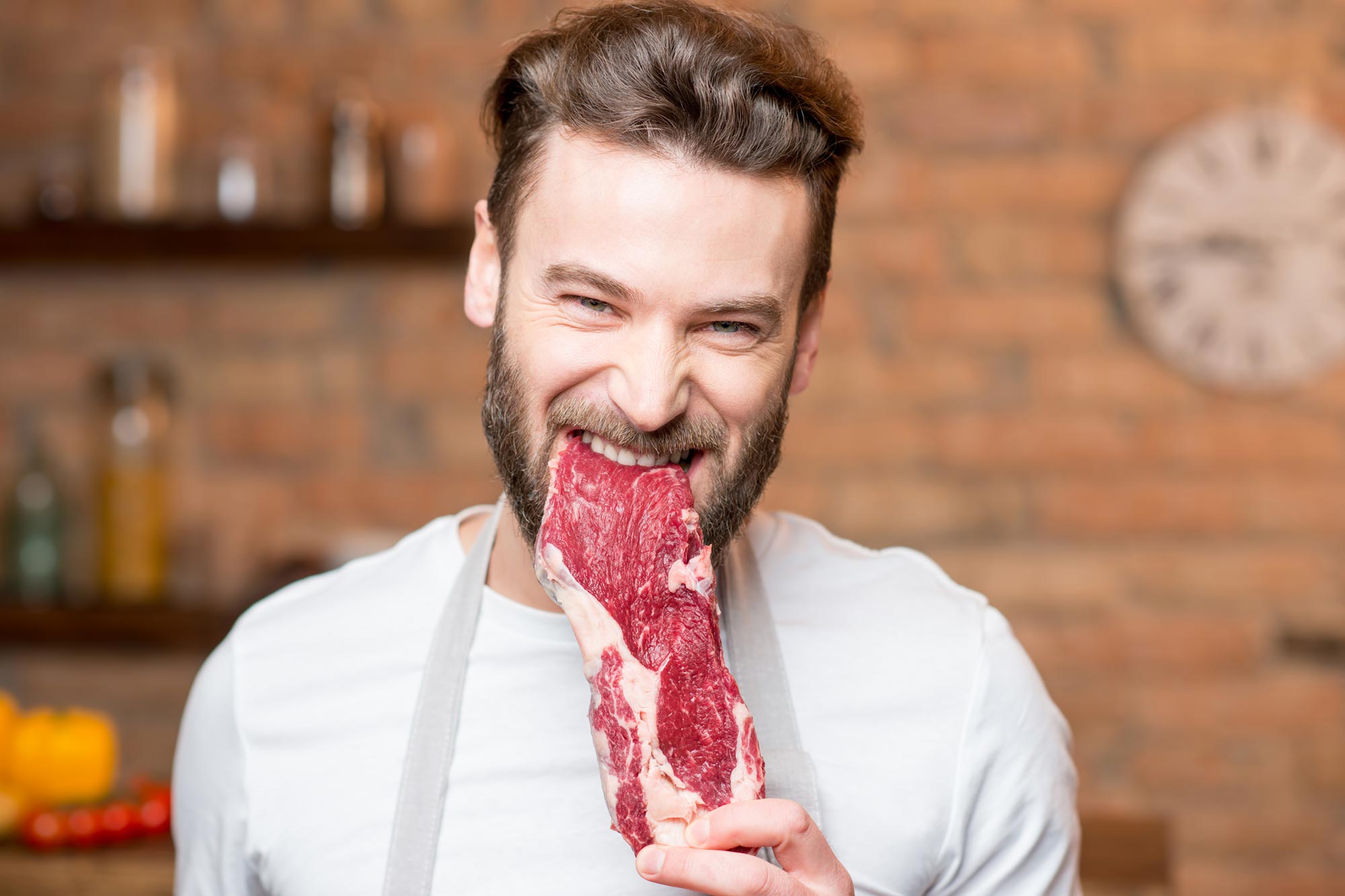 New research suggests that different dietary proteins may have distinct relationships with testosterone and hormone-binding proteins. Credit: Shutterstock
An observational study of middle-aged men links animal protein to lower testosterone and plant protein to higher levels, but the differences are small, and their health effects remain unclear.
A protein-rich meal gives the body amino acids, the building blocks it needs to make and repair tissues, including muscle. Testosterone helps regulate muscle growth and also supports bones and sexual function. Food provides essential materials, while hormones help direct what the body does with them.
That connection makes diet a reasonable place to look when studying testosterone, yet relatively few studies have examined its relationship with protein intake.
Researchers at the University of Eastern Finland found that men who consumed more animal protein tended to have lower total testosterone levels in their blood. Those who consumed more plant protein tended to have higher levels. The findings do not mean that higher testosterone is necessarily healthier or that one protein source improves hormone function.
Dairy and meat show different hormone links
The research, published in the International Journal of Food Sciences and Nutrition, included 2,546 men aged 42 to 60 living in eastern Finland. It drew on the university’s ongoing Kuopio Ischaemic Heart Disease Risk Factor Study. Researchers assessed the men’s diets using four-day food records collected between 1984 and 1989 and measured total testosterone in blood samples. They also measured sex hormone-binding globulin, or SHBG, a protein that binds to sex hormones and influences total testosterone concentrations in the blood.
Looking at individual foods revealed a distinction that the broad category of animal protein could obscure. Higher dairy protein intake was associated with lower total testosterone and SHBG levels. Meat protein intake was associated with lower SHBG, but it had no association with total testosterone. Among plant foods, higher protein intake from vegetables and sources other than cereal products was associated with higher total testosterone.
To compare the differences, the researchers divided the men into four groups according to their protein intake. Those in the highest animal protein group had total testosterone concentrations averaging 1.2 nanomoles per liter (nmol/L) below those in the lowest group. For plant protein, the highest intake group averaged 1.1 nmol/L above the lowest group. SHBG showed similar opposing associations with animal and plant protein intake.
“Although the observed differences in testosterone concentrations were statistically significant, they were relatively small. Based on this study, it is not possible to infer whether these differences have implications for health,” says Doctoral Researcher Miika Wynne-Ellis from the University of Eastern Finland.
Diet’s role in testosterone remains uncertain
Age, excess weight, and lifestyle can influence testosterone levels. The analyses accounted for the men’s age and body mass index, along with several other dietary, lifestyle, and health factors. Even with those adjustments, other aspects of their diets or metabolic factors could help explain the associations.
Because the study was cross-sectional, it cannot establish that eating particular proteins caused the hormone differences. It also cannot determine whether consuming different protein sources affects how much testosterone the body produces or how the hormone acts in the body.
Reference: “Associations of dietary proteins with serum total testosterone and sex hormone-binding globulin concentrations in middle-aged men” by Miika M. Wynne-Ellis, Heli E. K. Virtanen, Elizabeth Bertone-Johnson, Sari Hantunen, Tomi-Pekka Tuomainen, Jukka T. Salonen and Jyrki K. Virtanen, 9 September 2026, International Journal of Food Sciences and Nutrition.
DOI: 10.1080/09637486.2026.2731397
Never miss a breakthrough: Join the SciTechDaily newsletter.
Follow us on Google and Google News.























 English (US) ·
 French (CA) ·
 French (FR) ·