

 2 months ago
36
2 months ago
36
PROTECT YOURSELF with Orgo-Life® QUANTUM TECHNOLOGY
Orgo-Life the new way to the future Advertising by AdpathwayWhile frauds continue to evolve, experts say the emotional manipulation behind them largely stays the same — so knowing how those pressure tactics work and paying attention to how you’re feeling could be the key to avoiding being scammed.
A detective and scam psychology expert break down the formula behind frauds — and how to protect yourself


Listen to this article
Estimated 6 minutes
The audio version of this article is generated by AI-based technology. Mispronunciations can occur. We are working with our partners to continually review and improve the results.

It started with a phone call while the victim was working.
The caller identified themselves as an employee at the victim's bank, and he knew his name, the last four digits of his account and where he lives.
That's how a recent $20,000 fraud reported to Toronto police began.
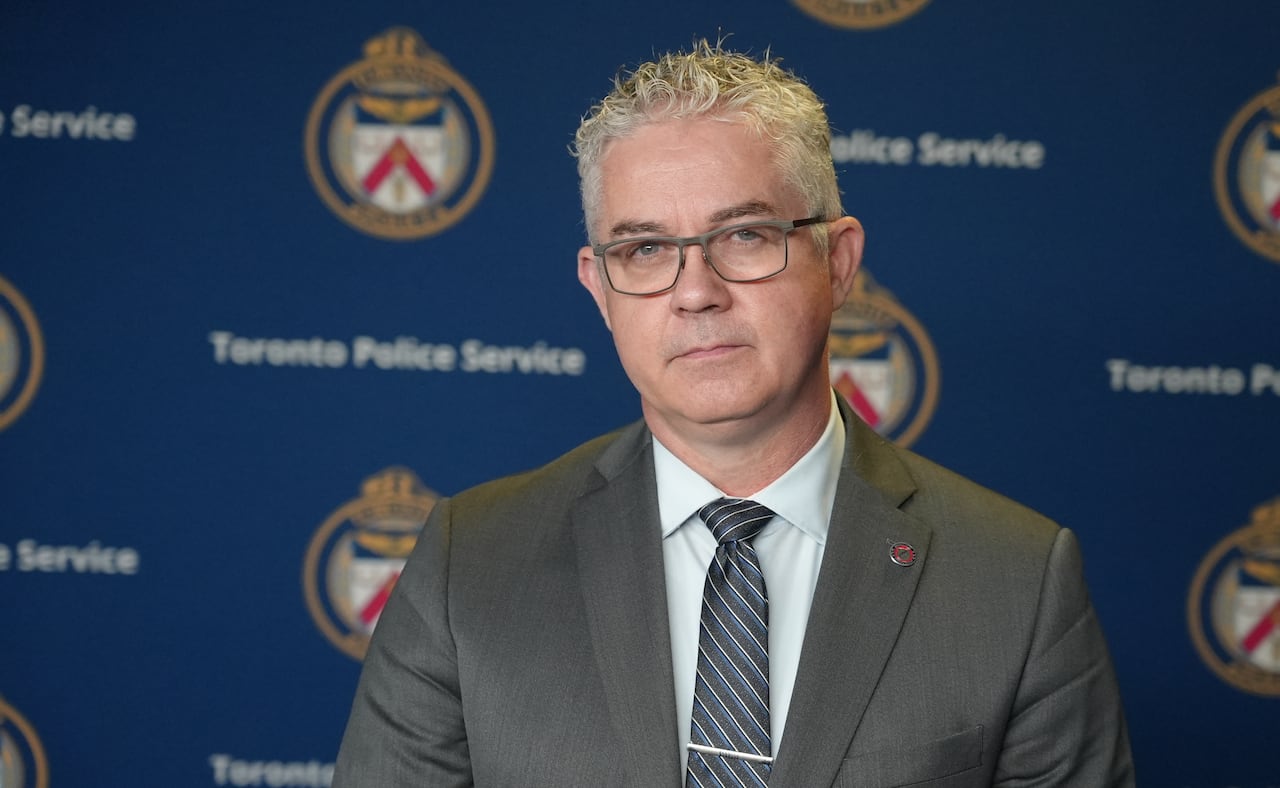
Det. Dave Coffey says it's a typical example of the roughly 50 fraud reports the service's central fraud office receives every single day. So far this year, there's been nearly $224 million in reported fraud losses in Toronto, with residents on pace to lose $560 million in 2026 — up more than $130 million from 2025.
Nationally, reported losses to the Canadian Anti-Fraud Centre totalled more than $704 million last year. But that figure comes with a couple of big caveats. The centre estimates only about five to 10 per cent of fraud is reported, and their numbers don't include police reports from services like Toronto and the Ontario Provincial Police.
While frauds themselves continue to evolve, Coffey and a scam psychology expert say the emotional manipulation behind them largely stays the same — so knowing how those pressure tactics work, and paying attention to how you're feeling, could be the key to avoiding being scammed.
WATCH | Pay attention to how you're feeling, it could help protect you from fraud: How scammers manipulate our emotions — and what you can do to protect yourself
"The stories are infinite. So to put out an alert every single day of the year … be aware of this scam, be aware of this scam — people are going to be numb to them," Coffey said.
"It's the emotions that people have to be aware of."
So let's use Coffey's example of the call from someone claiming to be from the victim's bank to break down the psychological anatomy of a fraud.
1 – Establish trust
The caller provides the victim's name, bank account number and knows where they live.
Providing all of this information works to do one thing: establish trust, according to researcher Martina Dove, author of The Psychology of Fraud, Persuasion and Scam Techniques.
"If they are not perceived as trustworthy, we will be skeptical, we will be more vigilant, and therefore we will be watching for the red flags," she said.
"They will try and establish credibility very early on."
2 – Fear factor
From there, Coffey says the fraudster asked the victim about particular transactions, and if he was responsible for them.
"'Did you create this new account on the other side of the country? Did you transfer in this amount of money? Did you transfer out this amount of money?'"
Even if the victim says no, Coffey says the caller ups the stakes.
"The caller says, 'we've identified that the person that this money was sent to is on our blacklist [for] being involved in money laundering,' so now the person starts panicking."

This is where the fear factor comes into play, according to Dove.
"They have to evoke some kind of visceral influence. And visceral influences are primal drives: that's fear, strong excitement, sexual desire, greed, hunger, thirst, pain," she said.
"When we're under a very strong visceral influence, we are not able to recall information as readily. So memory will suffer ... it's going to make them more impulsive."
Dove says a lot of fraud prevention advice comes from a rational perspective, like "stop and think," but victims lose critical thinking skills when they're experiencing a primal drive like fear.
3 – Emotional trap
The fraudsters try to keep victims in that state.
The detective said the victim from this particular report was kept on the phone with the fraudster for four hours. And Dove says that's by design.
"They don't want a victim to have a moment where they call a friend, speak to somebody or even just take a moment and think," she said. "And there's a reason for that — when we're under a visceral influence, we're more likely to go along and be compliant and try to avoid whatever we perceive to be threatening to us."
The threat in this case was being implicated in money laundering.
"So now [the victim] wants to prove that they weren't involved," said Coffey.
In the end, that emotional trap led this victim to withdraw all of the money from his own bank account, from his mother's bank account and from his home equity line of credit for a total of $20,000, according to Coffey.
"They blame themselves for falling for it, but it's nothing to do with his intellect," he said.
"He could be the smartest person in the world but when the call came in the verifications, the authentications happened, and then the emotional [pressure] just started his brain spinning and spinning, and it's like you're now on puppet strings and they can make you do anything they want."
What can you do to avoid being scammed?
Coffey and Dove both hope that if the public is more aware of how fraudsters' emotionally manipulate their victims, then they can better protect themselves.
"Be aware how you're made to feel," Dove said.
"If there's anything that makes you feel instantly either happy or sad or anxious or stressed, it's good to just take a pause."
Still, Dove acknowledges that can be difficult to do based on how the fraudster is making the victim feel. So she suggests people make rules for themselves for situations like this ahead of time.
"If somebody calls you from the bank and it's something that is alarming, your rule is to just always put the phone down and call your bank back," she said.
Coffey echoed that approach.
"Hang up your phone. Call your bank, call the police, call whoever they say they are," he said.
"If everyone could just do that, I'm not saying frauds would disappear — they will never disappear — but that would be a huge impact."
ABOUT THE AUTHOR

Nicole Brockbank is a reporter for CBC Toronto's Enterprise Unit. She digs up, researches and reports GTA-focused investigative and enterprise stories. nicole.brockbank@cbc.ca
















 English (US) ·
  French (CA) ·
  French (FR) ·