

PROTECT YOURSELF with Orgo-Life® QUANTUM TECHNOLOGY
Orgo-Life the new way to the future Advertising by Adpathway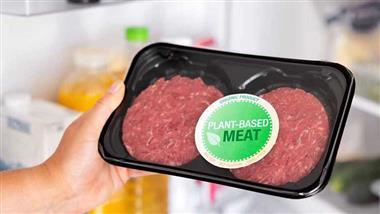
Story at-a-glance
- Every plant-based meat alternative tested contained at least one mycotoxin, and multiple fungal toxins commonly occurred together
- Several individual mycotoxins appeared in more than 9 out of every 10 plant-based meat products, showing how widespread contamination was across the category
- Mycotoxins have been linked to liver and kidney toxicity, immune system damage, hormone disruption and cancer, making repeated exposure to mixtures a concern even when individual levels remain below regulatory limits
- Plant-based meats combine contamination-prone crops such as wheat, oats, maize, soy and peas, giving mycotoxins from multiple raw ingredients routes into the finished food
- Choosing simpler whole foods instead of highly processed plant-based substitutes reduces your exposure to mycotoxins while also helping you avoid seed oils and additives that work against mitochondrial and gut health
If you've been choosing plant-based burgers because you assumed they were cleaner than conventional meat, a new UK study may change your thinking. Every plant-based meat alternative tested in the study contained at least one mycotoxin, and most contained several.1 These toxic compounds are natural poisons produced by molds that colonize crops such as wheat, oats, corn, soy and peas — either in the field or during storage. They can damage your liver, kidneys and immune system even at low levels, and many resist the heat and processing steps used to manufacture finished foods. That means contamination present at the ingredient stage can carry forward into whatever you find on the shelf. No individual product exceeded regulatory limits, so a single plant-based burger is unlikely to cause harm on its own. The deeper concern is cumulative exposure — eating these products regularly means encountering low levels of multiple mycotoxins day after day, in foods specifically marketed as healthier alternatives to conventional meat. To understand that concern, it's important to look closely at what the researchers found across the different products and which ingredients carried the heaviest contamination burden.
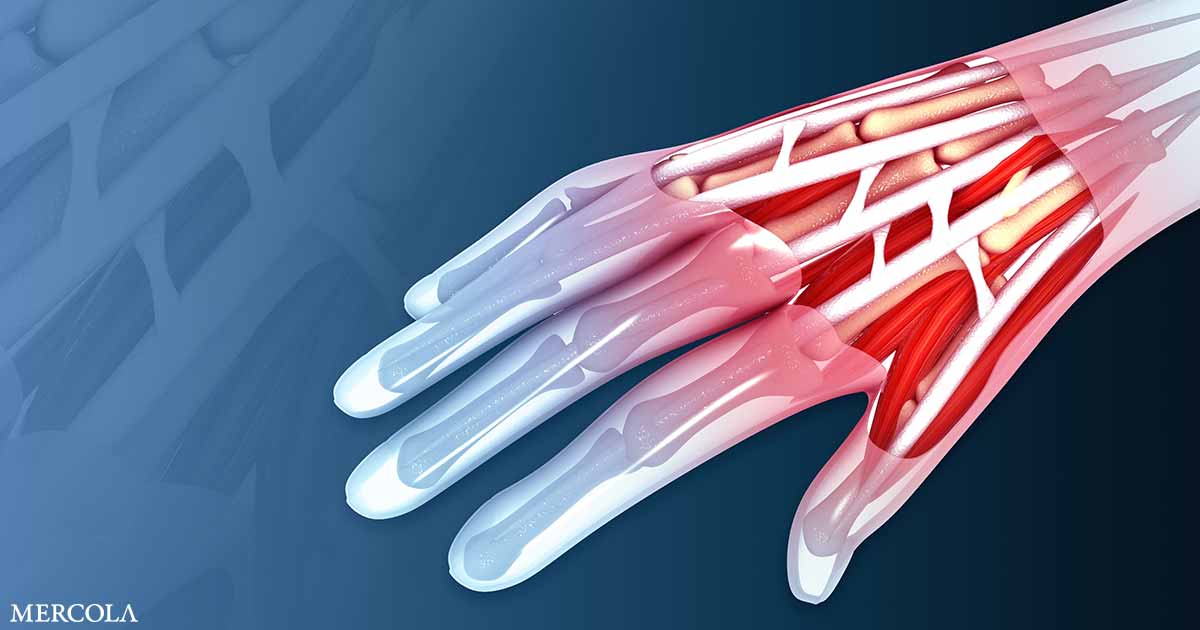
For the study, published in Food Control, researchers analyzed 212 products from five major UK retailers for 19 different mycotoxins.2 They found especially widespread contamination from a group known as emerging mycotoxins, meaning toxins that aren't yet routinely regulated despite their presence in the food supply. That gap matters because foods can legally contain these toxins at levels no regulator has formally evaluated for safety. Beauvericin (BEA) appeared in 98.9% of the 92 plant-based meat alternatives, while enniatin A (ENNA) and enniatin A1 (ENNA1) each appeared in 93.5%.3 Put another way, several individual mycotoxins occurred in more than 9 out of every 10 plant-based meat products tested. Laboratory studies have linked beauvericin and enniatins to cell-membrane disruption and mitochondrial toxicity, though their effects at dietary levels in humans aren't yet well characterized. • Multiple mycotoxins frequently occurred in the same foods — The contamination wasn't limited to BEA and enniatins. Alternaria toxins were also widespread, while aflatoxins were found in as many as 82.6% of plant-based meat samples. Rather than focusing on any one toxin, the more important finding is the extent of co-occurrence. If you eat these products regularly, you're not encountering one toxin at a time — you're encountering several simultaneously, meal after meal. • Plant-based meats contained a complex mix of contamination-prone ingredients — These products commonly combine cereals such as wheat, oats and maize with legumes such as soy, peas, beans and chickpeas. Researchers found no significant differences in overall mycotoxin concentrations among the different plant-based meat categories, which they linked in part to the products' large, interconnected ingredient mixtures. Each additional agricultural ingredient creates another route through which contamination already present in a raw material could reach the finished product. • Plant-based beverages were contaminated too, but generally at lower levels — The researchers tested 120 beverages alongside the 92 meat alternatives. Oat drinks stood out for HT-2 and T-2 toxins, mycotoxins produced by Fusarium molds that commonly contaminate cereal crops such as oats and wheat. Emerging mycotoxins were also widespread across the beverage categories. However, mycotoxin concentrations were significantly higher overall in the plant-based meat alternatives than in the beverages. • Mycotoxins affect multiple systems in the body — Mycotoxins aren't simply signs that mold was once present in a crop. They're biologically active substances produced by certain fungi, and different mycotoxins have been linked to liver and kidney toxicity, immune system damage, hormone-disrupting effects and cancer. Some are particularly concerning: aflatoxins are classified as human carcinogens, while ochratoxin A and fumonisins have also raised concerns about carcinogenic effects. The study didn't show that the amounts detected in these products caused disease, and individual levels remained below regulatory limits. The concern raised by the researchers is repeated exposure to mixtures of several mycotoxins, because current safety limits generally evaluate individual toxins rather than the combined exposure found in these foods. • Contamination starts before these ingredients become burgers or beverages — Mycotoxins originate when fungi colonize susceptible crops in the field or after harvest, including during storage. Temperature and humidity influence fungal growth and toxin production, so the quality and handling of raw ingredients matter long before manufacturing begins. Processing doesn't necessarily erase contamination that is already present. This means a highly processed plant-based product brings together multiple agricultural ingredients, and the contamination each ingredient accumulated on its way from the field to the factory. The most direct way to lower your exposure is to reduce your reliance on highly processed plant-based foods in the first place. Many of these products combine grains, legumes, seed oils, gums, starches, flavorings and other additives in a single package. That creates several problems at once: more possible entry points for mycotoxins, more linoleic acid (LA) from seed oils and more additives that work against gut and mitochondrial health. 1. Replace plant-based meat substitutes with whole foods — If you regularly eat plant-based burgers, sausages or other fake meat because they seem like healthier choices, reconsider how often they appear on your plate. These products commonly combine wheat, rice, chickpeas, peas, soy and other ingredients, and the study found significantly higher mycotoxin concentrations in meat alternatives than even in plant-based beverages.4 Your easiest first step is to favor simpler whole foods with fewer processed ingredients. This also helps you avoid common additives such as methylcellulose, carrageenan, gums and modified starches, which are frequently used to thicken, bind or stabilize processed plant-based foods. Prioritize foods that look more like the ingredients they came from and less like engineered substitutes. For example, if you're currently using plant-based ground crumbles in tacos, try seasoned grass fed ground beef instead. If plant-based sausages are a breakfast staple, pasture-raised eggs with vegetables sautéed in butter or ghee deliver protein without the processed ingredient load. 2. Use the ingredient list as a quick exposure check — If you do buy a packaged plant-based food, turn it over and look at how much has been added. A product built from numerous grains, legumes, vegetable proteins, oils, and stabilizers gives contaminants more possible routes into the finished food. Researchers specifically linked the wide variety of ingredients in plant-based meats with differences in contamination.5 Make simplicity your goal. Long lists packed with gums, modified starches, emulsifiers and flavorings are a sign that you're dealing with a highly processed product, not simply a whole plant food. That distinction matters because your gut lining and microbiome respond to everything in the package, not just the protein claim on the front label. 3. Reduce your LA load to protect mitochondrial function — Many processed plant-based foods, including plant-based meat, vegan dressings, cheese alternatives and snack foods, rely heavily on seed oils such as sunflower, safflower and canola. These oils contain large amounts of LA, a polyunsaturated fat that becomes harmful when you consume too much of it. Your mitochondria are the tiny structures inside your cells that convert food into usable energy. Excess LA becomes incorporated into cellular and mitochondrial membranes, where it oxidizes into damaging compounds that interfere with efficient energy production and promote inflammation. Your body also stores LA in fat tissue, which means a high intake creates a problem that doesn't disappear as soon as you stop eating a particular food. Check packaged foods, including plant-based meat, for soybean, corn, sunflower, safflower, cottonseed and canola oils. Keeping total LA below 5 grams per day, and ideally closer to 2 grams, helps reduce this metabolic burden. Instead of seed oils, choose healthier fats such as grass fed butter, ghee and tallow. 4. Skip plant-based beverages rather than treating them as a safer category — Although the study found lower mycotoxin concentrations overall in plant-based beverages than in meat alternatives, I don't recommend them as a routine substitute. Oat drinks stood out for HT-2 and T-2 toxins, while soy beverages had a particularly high prevalence of ochratoxin A. Almond/nut beverages showed comparatively lower contamination overall, but researchers still detected emerging mycotoxins.6 These drinks often share the same broader problems as other processed plant-based foods. Many contain seed oils, gums, emulsifiers, stabilizers, sweeteners, and modified starches to improve texture and shelf life. So even if one carton has a lower level of a particular mycotoxin, that doesn't make it a food I consider ideal for regular use. 5. Favor companies that disclose sourcing and contaminant testing — The root problem starts long before a burger or beverage reaches the store. Crops become vulnerable to toxin-producing fungi during cultivation, after harvest and during storage, with heat and humidity influencing fungal growth. While I don't recommend eating processed plant-based products, if you do eat packaged foods, look for manufacturers that disclose where their ingredients come from, how they test raw materials and what quality-control steps they use. The researchers specifically called for stronger raw-material control, monitoring and manufacturing practices because contamination prevention has to begin before the ingredients are blended into the finished food. Q: What did the study find in plant-based meat alternatives? A: Researchers detected at least one mycotoxin in every plant-based meat alternative they tested, and multiple toxins commonly occurred together. Some individual contaminants were remarkably widespread, including beauvericin in 98.9% of samples and enniatin A and enniatin A1 in 93.5%. Q: Why are mycotoxins a health concern? A: Mycotoxins are biologically active compounds produced by certain molds. Different types have been linked to liver and kidney toxicity, immune system damage, hormone-disrupting effects and cancer. The study didn't show that the amounts found in these foods caused disease, but the researchers raised concern about repeated exposure to mixtures of several mycotoxins. Q: Why are plant-based meat alternatives particularly vulnerable to contamination? A: Many combine several crops prone to fungal contamination, including wheat, oats, maize, soy, peas, beans and chickpeas. Each additional crop ingredient is another possible entry point for mycotoxins to reach the finished product. Q: Are plant-based beverages a better choice? A: The study found lower mycotoxin concentrations overall in plant-based beverages than in meat alternatives, but they weren't free of contamination. Oat drinks contained HT-2 and T-2 toxins, while soy and almond/nut beverages also had contamination concerns. I don't recommend relying on these beverages as a routine alternative because many are highly processed and contain additives such as seed oils, gums, emulsifiers and modified starches. Q: How can I reduce my exposure to mycotoxins from processed plant-based foods? A: Start by replacing highly processed plant-based meat substitutes with simpler whole foods. When you buy packaged foods, read ingredient lists, limit products made with seed oils and favor manufacturers that disclose ingredient sourcing and contaminant testing. These steps reduce your reliance on complex formulations made from numerous ingredients that each introduce another opportunity for contamination. This article is for informational purposes only and does not constitute medical advice. Consult a qualified healthcare provider before making changes to your health regimen. Take today’s quiz to see how much you’ve learned from yesterday’s Mercola.com article. What connects your muscles to your bones? Tendons are connective tissues that transfer force from your muscles to your bones, helping you lift, grip, and move. Learn more.More Ingredients in Plant-Based Meats Mean More Mycotoxin Exposure
Reduce Mycotoxin Exposure by Simplifying Your Food Choices
FAQs About Mycotoxins in Plant-Based Meat
Test Your Knowledge with Today's Quiz!






















 English (US) ·
 French (CA) ·
 French (FR) ·